
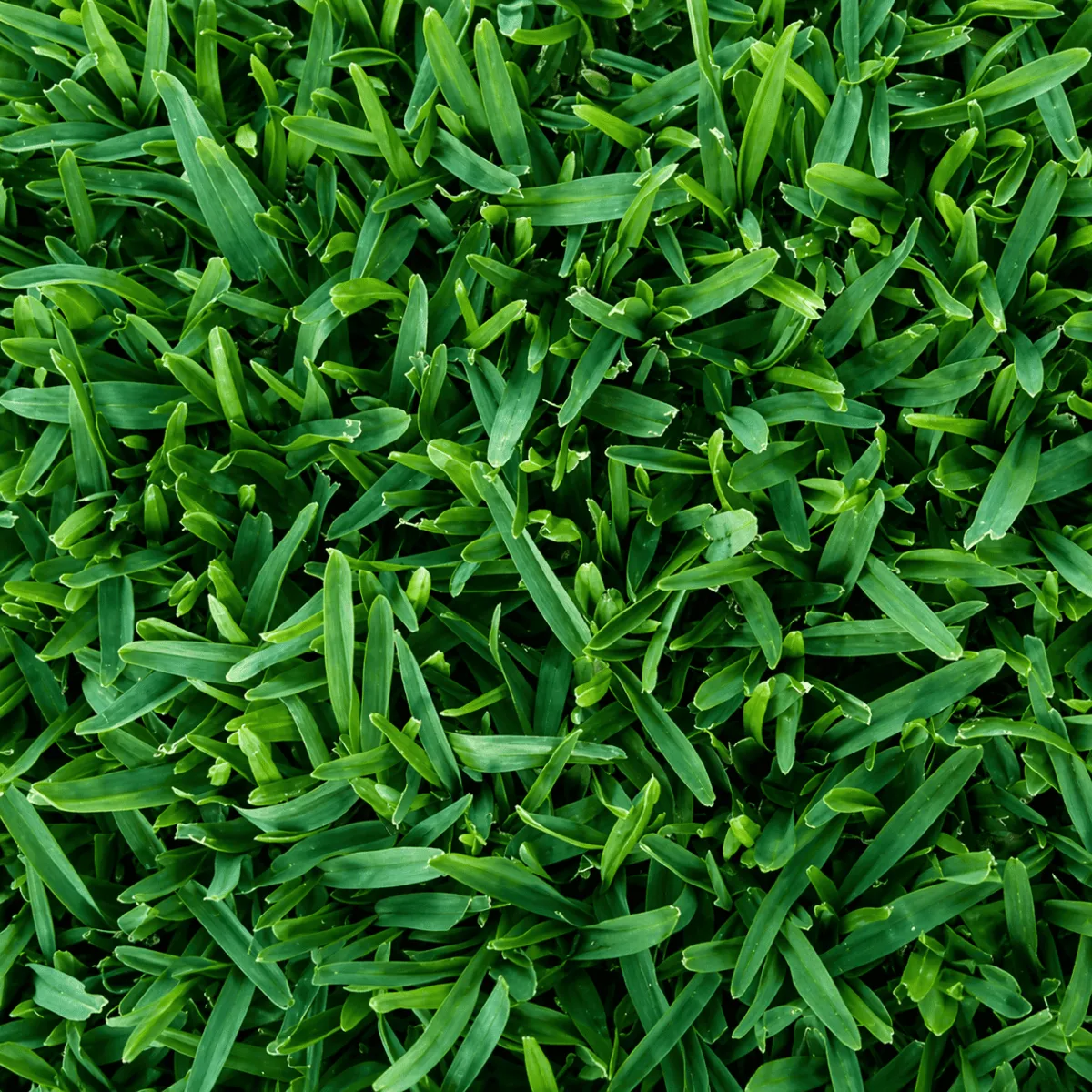
 Sir Walter Buffalo
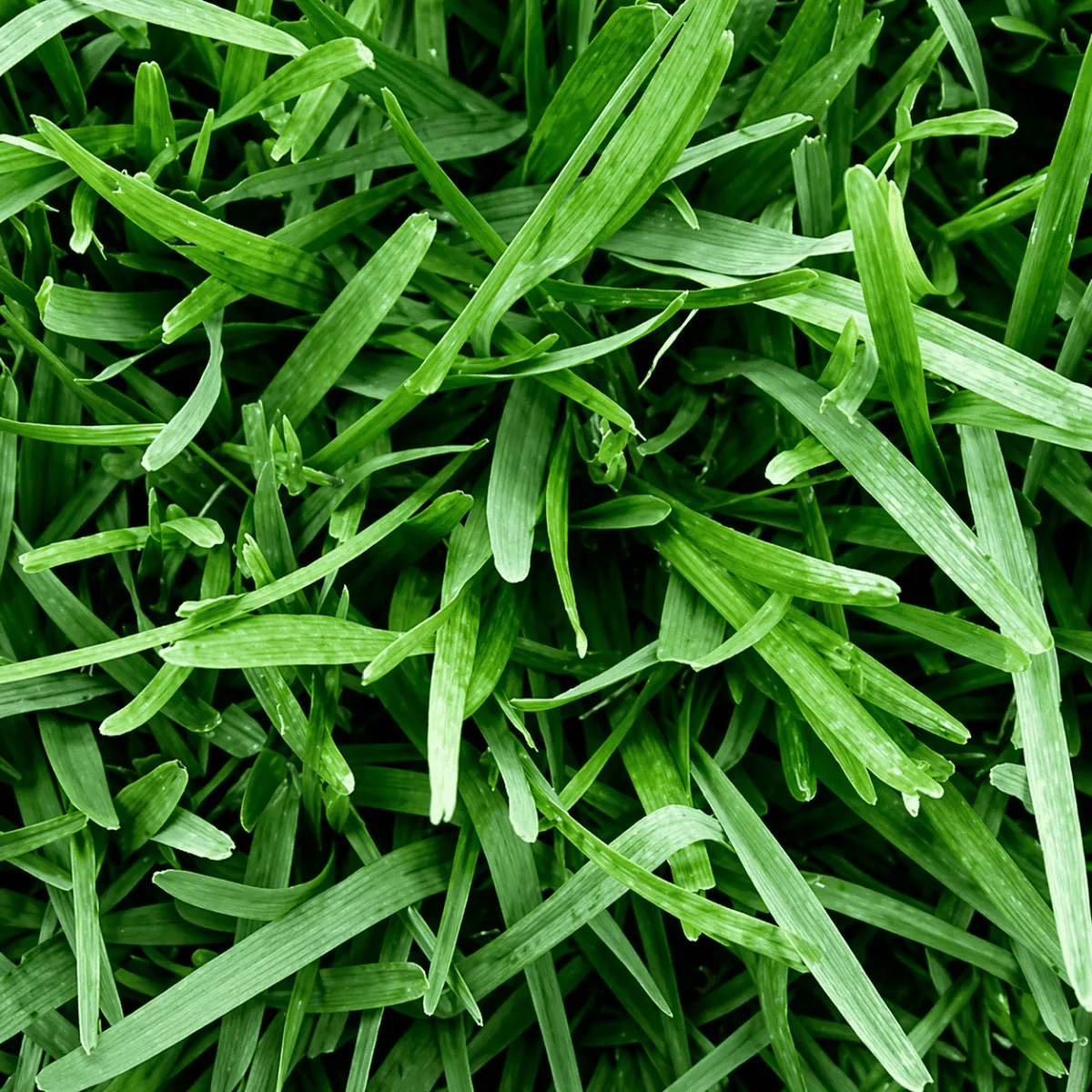 Soft Buffalo
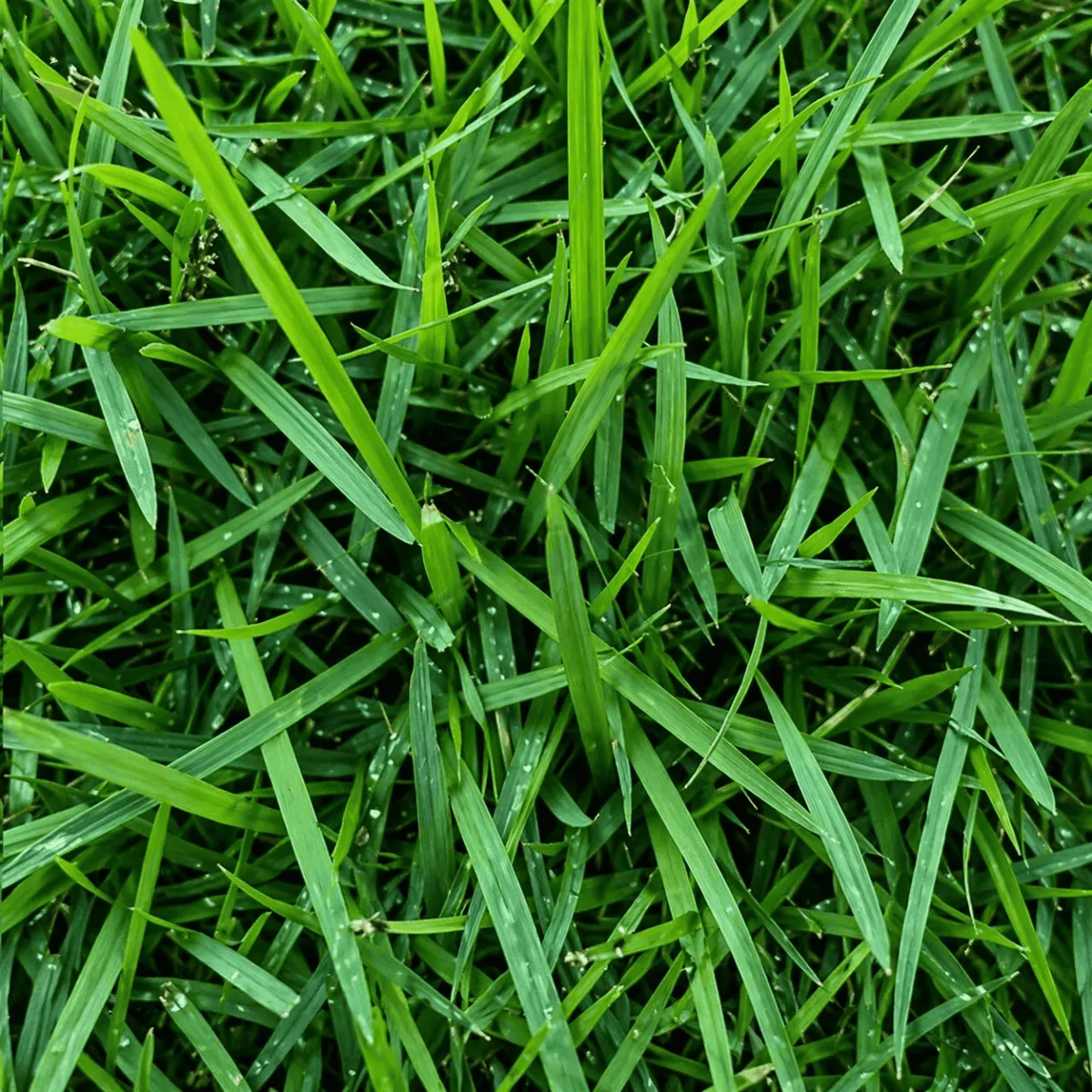 Wintergreen
 Zoysia
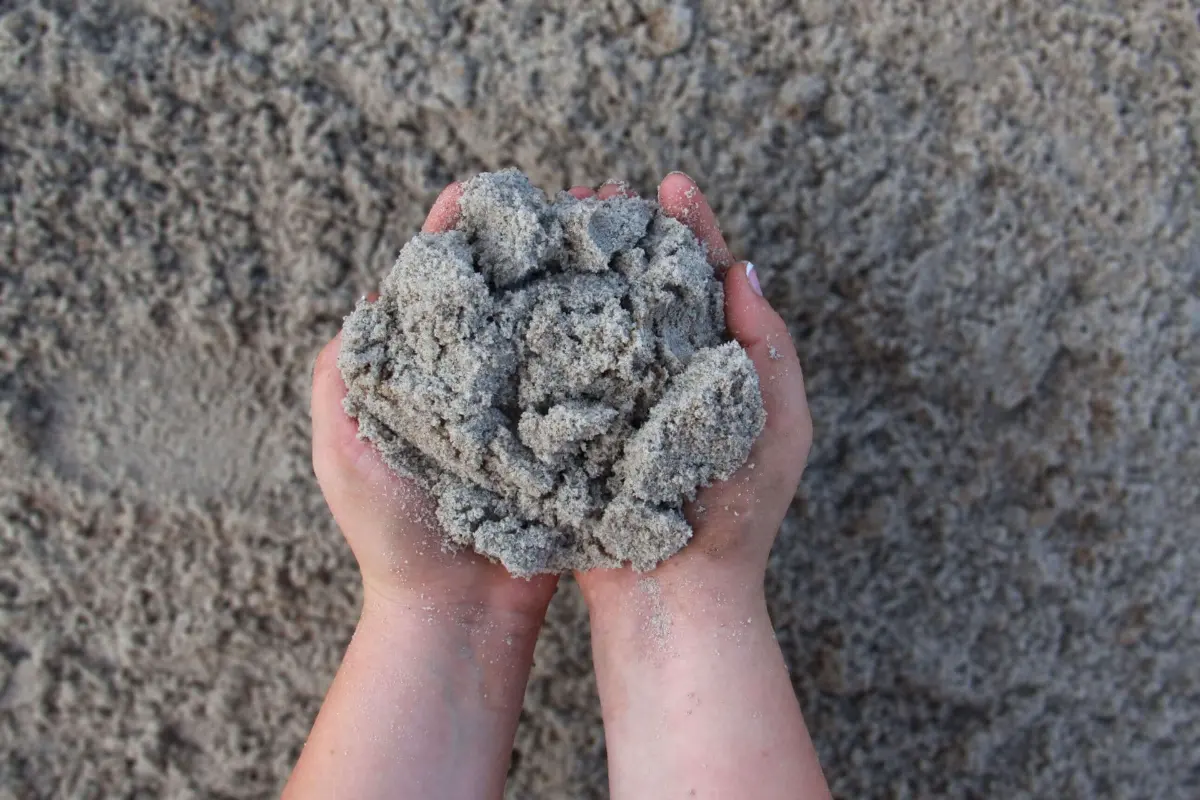 Fertilised Top Dress
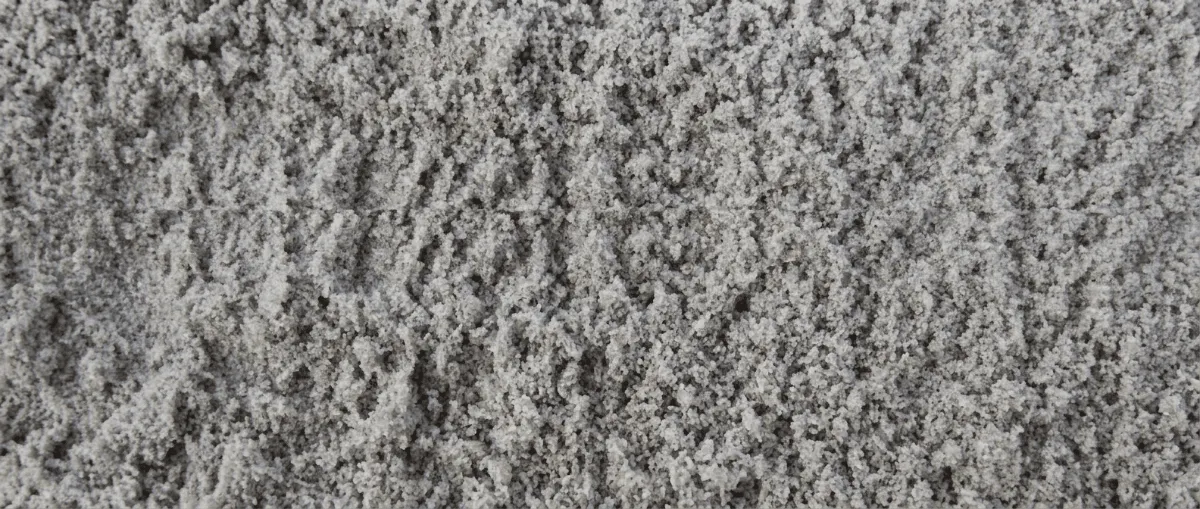 USGA Top Dress Sand
 Under Turf Soil
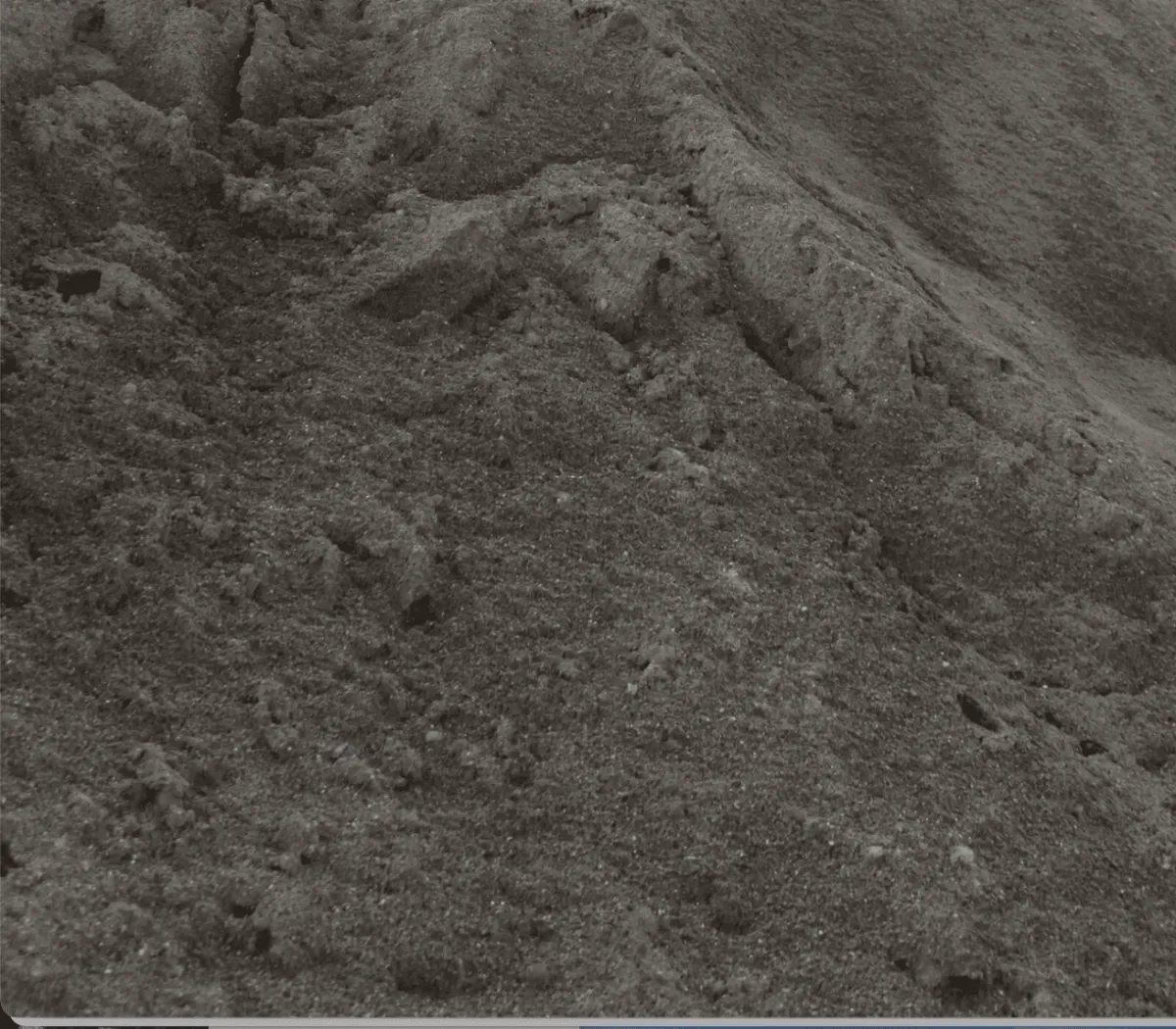 Premium Under Turf Soil
 Veggie Mix Organic Garden Soil
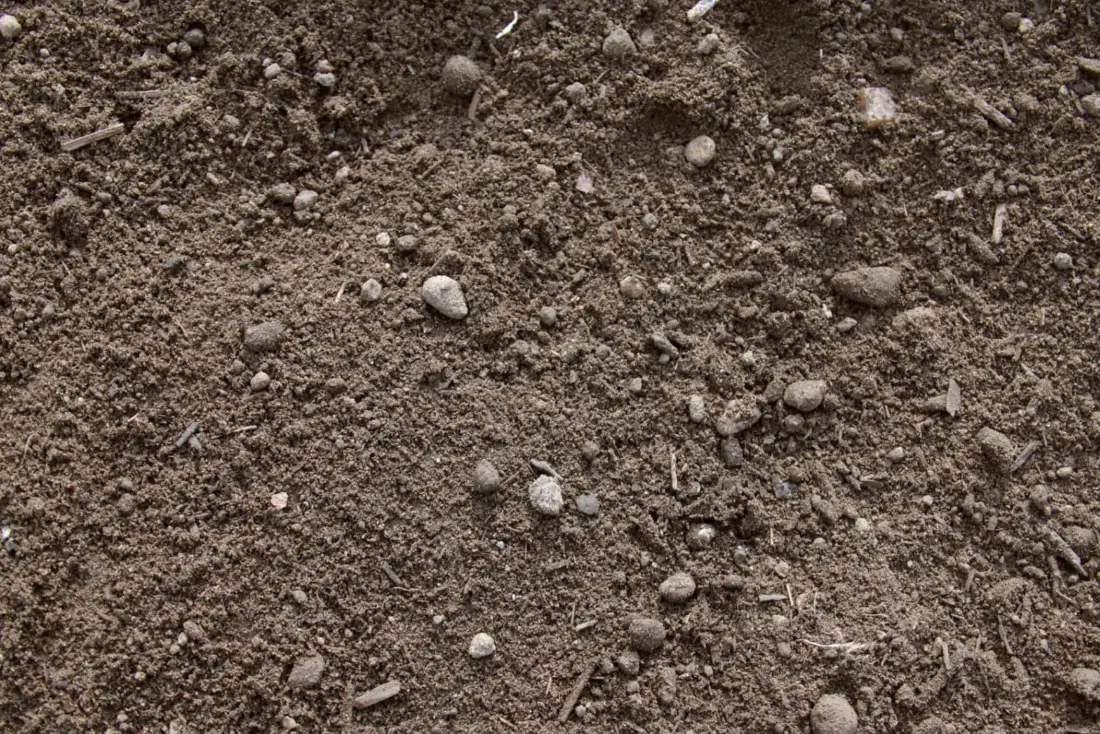 Ultra Premium Veggie Mix
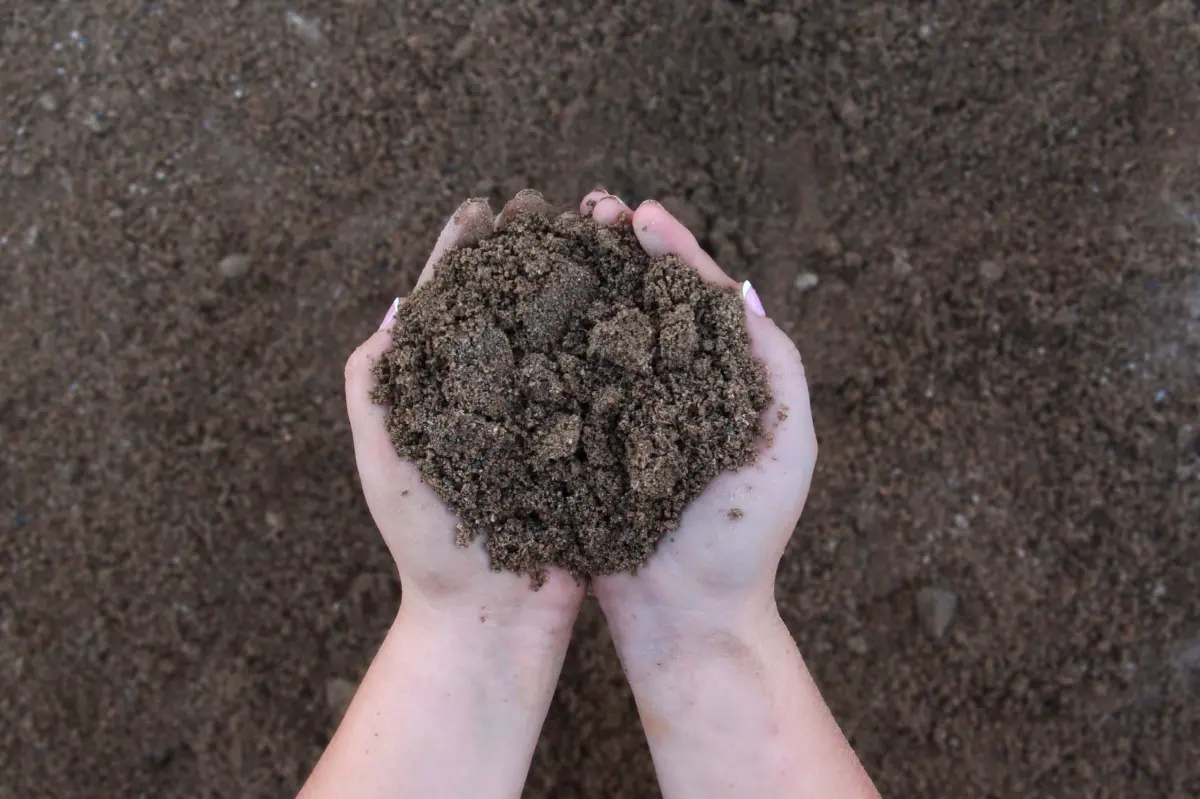 Premium Garden Soil
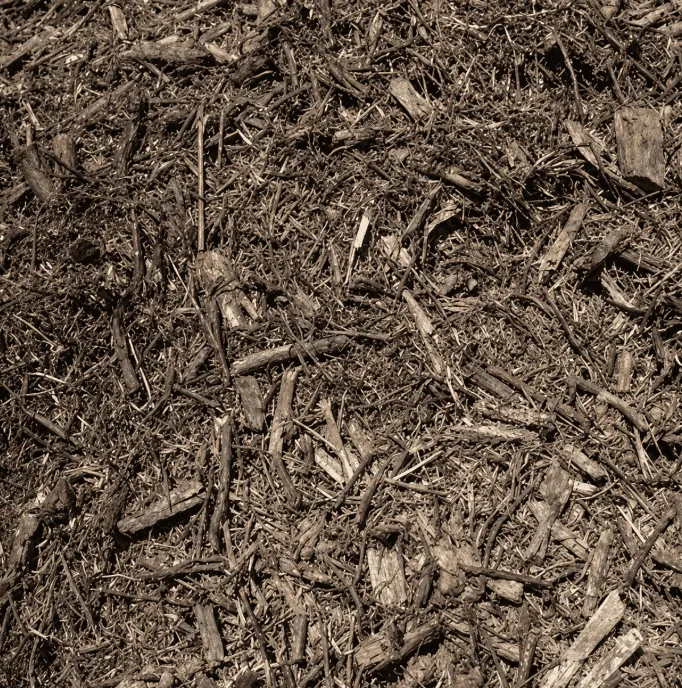 Tea Tree Mulch
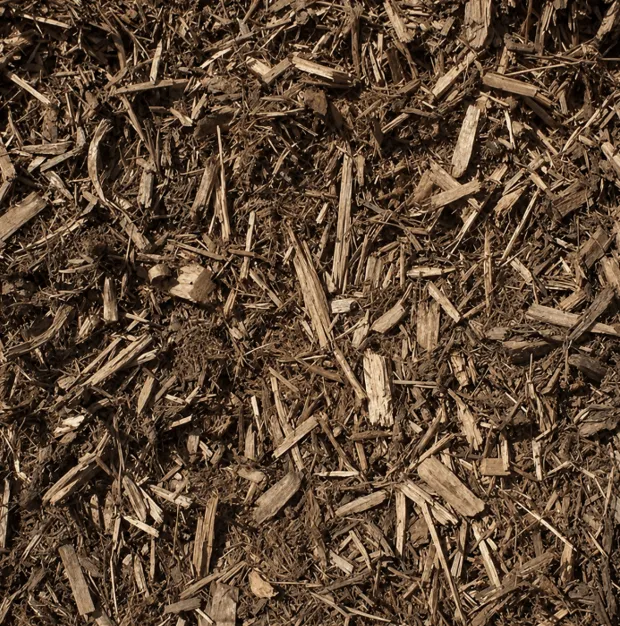 Cypress Mulch
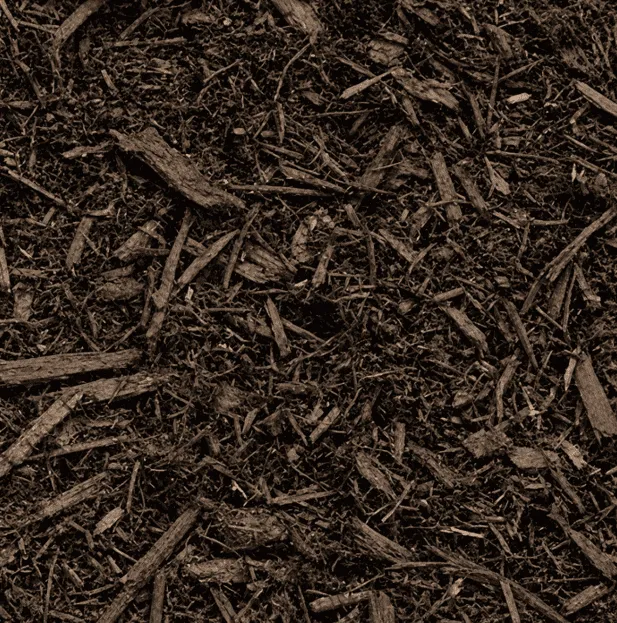 Forest Mulch
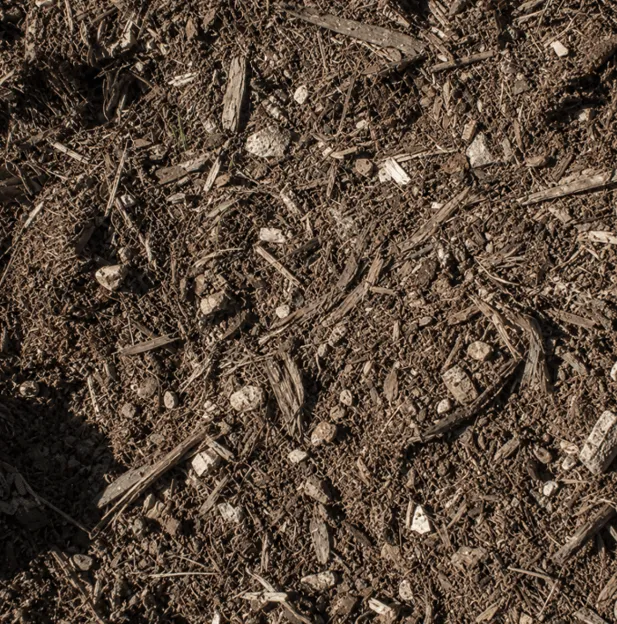 Forest Mulch Double Grind
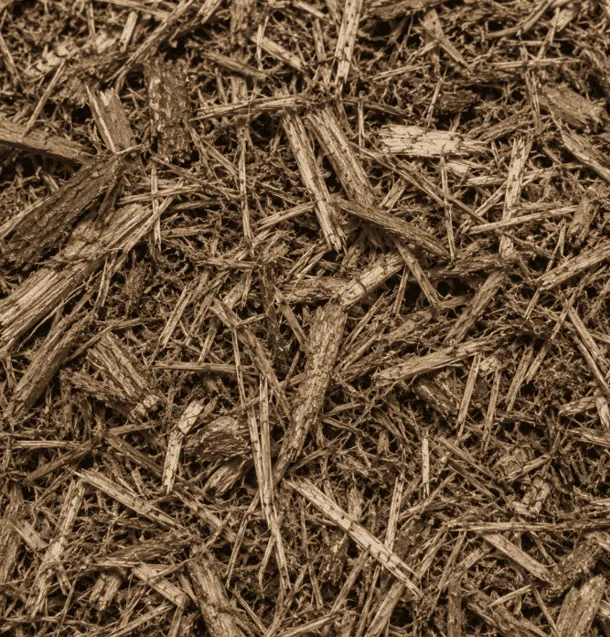 Tub Grind Mulch Coarse
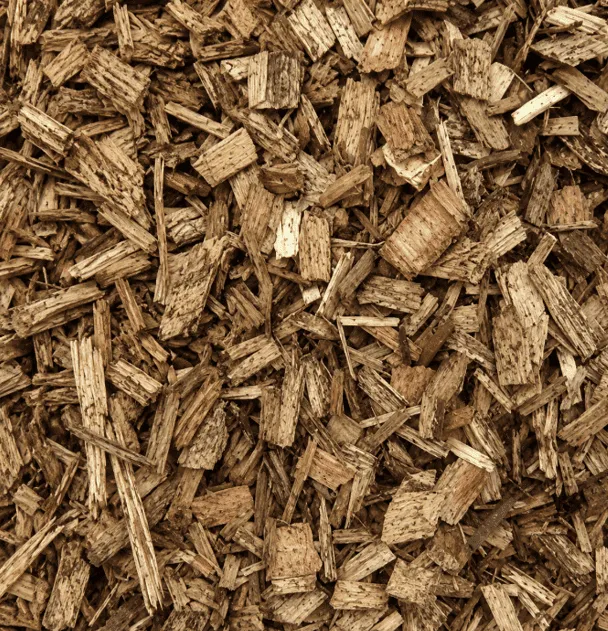 Hardwood Chip
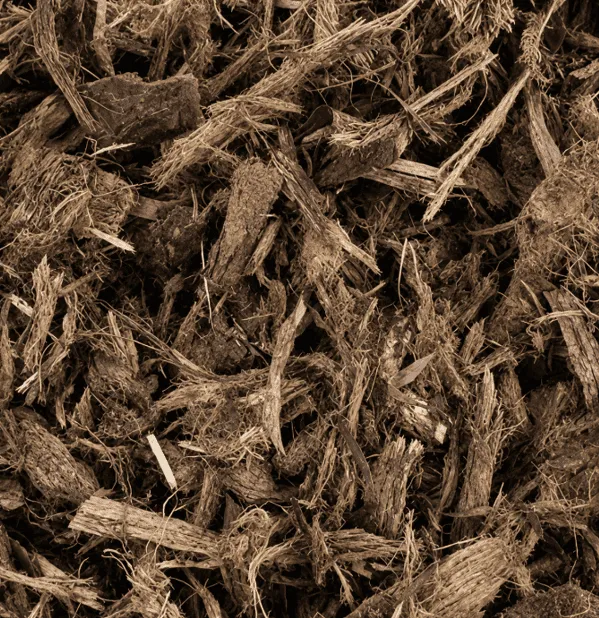 Hoop Bark 1–2 Inch
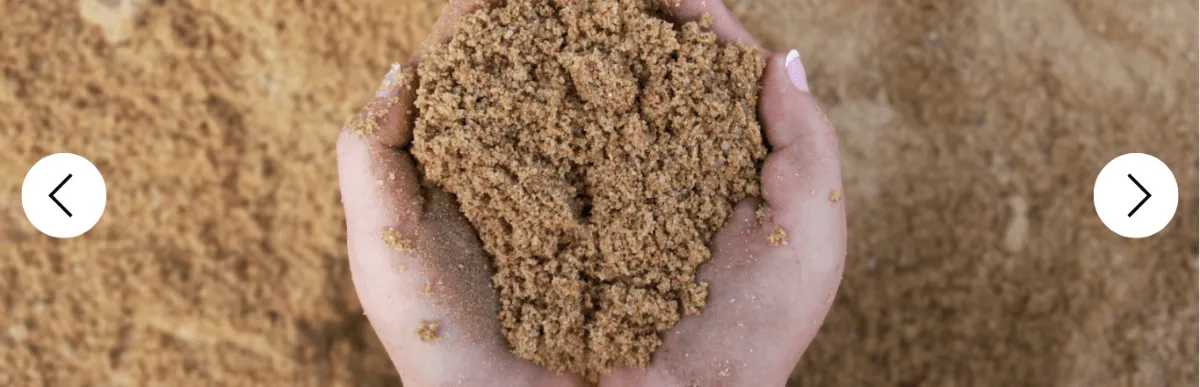 AES Sand
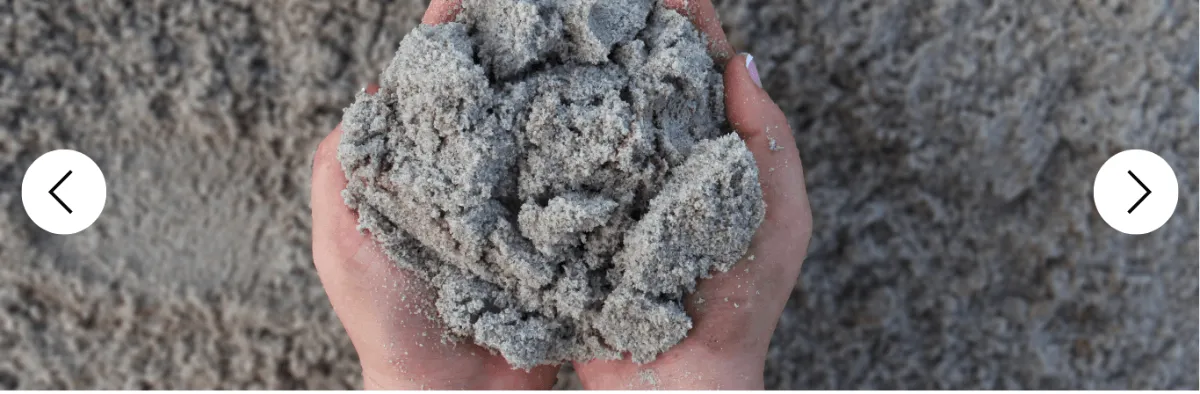 Bedding Sand
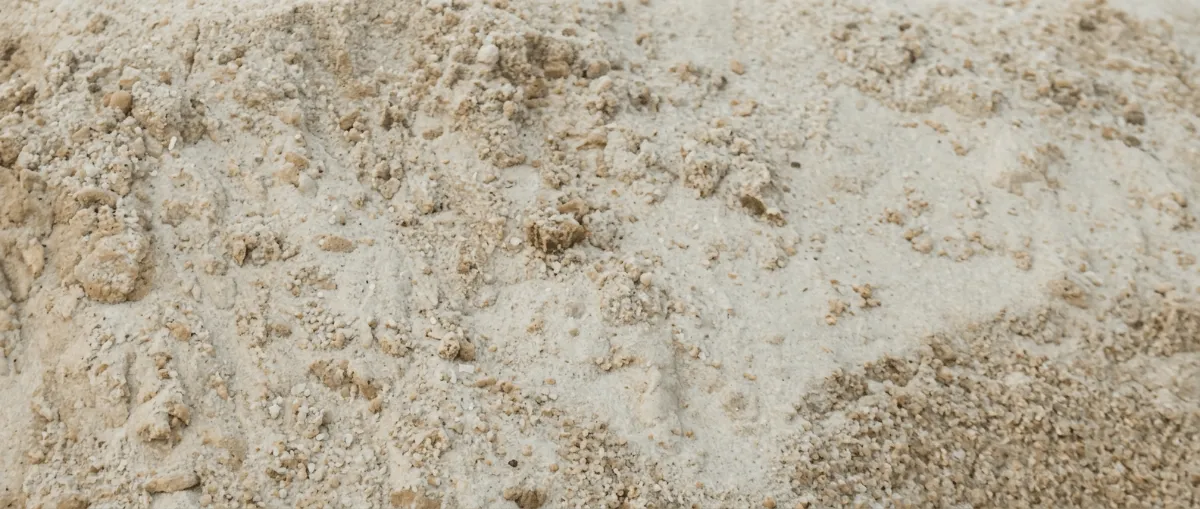 Bio Media Sand
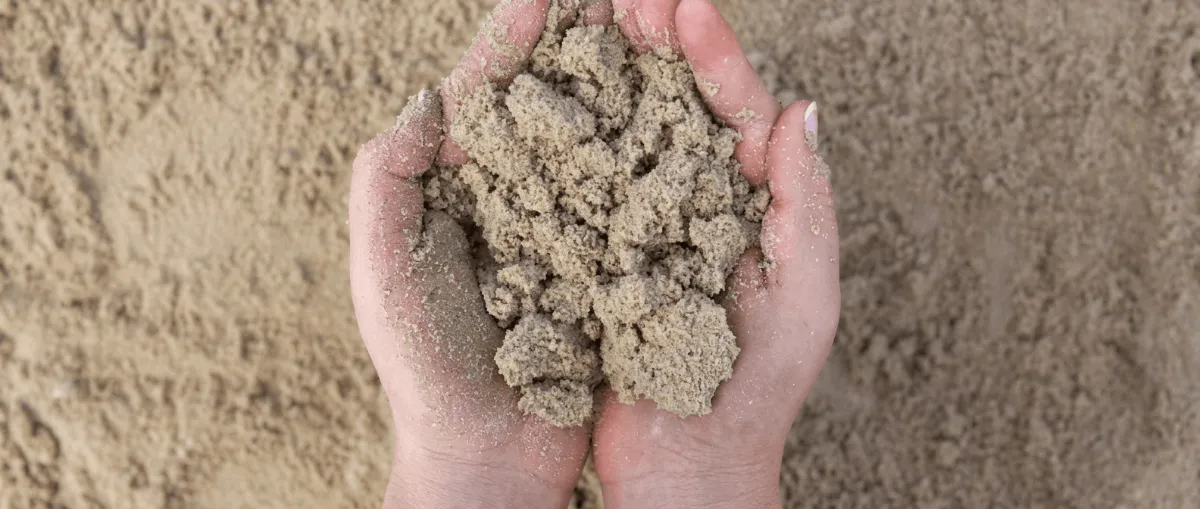 Brickies Loam
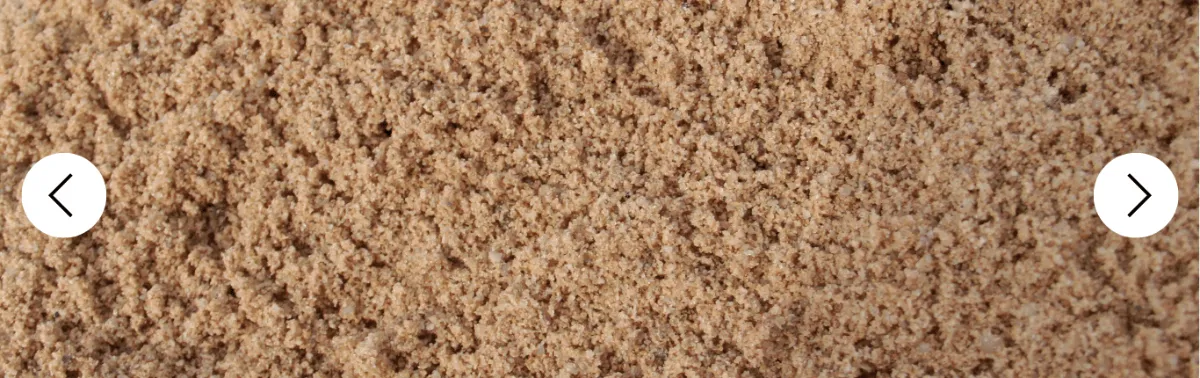 Coarse Sand
 Electrical Sand
 USGA Top Dress Sand
 20mm River Stone
 40–80mm River Stone
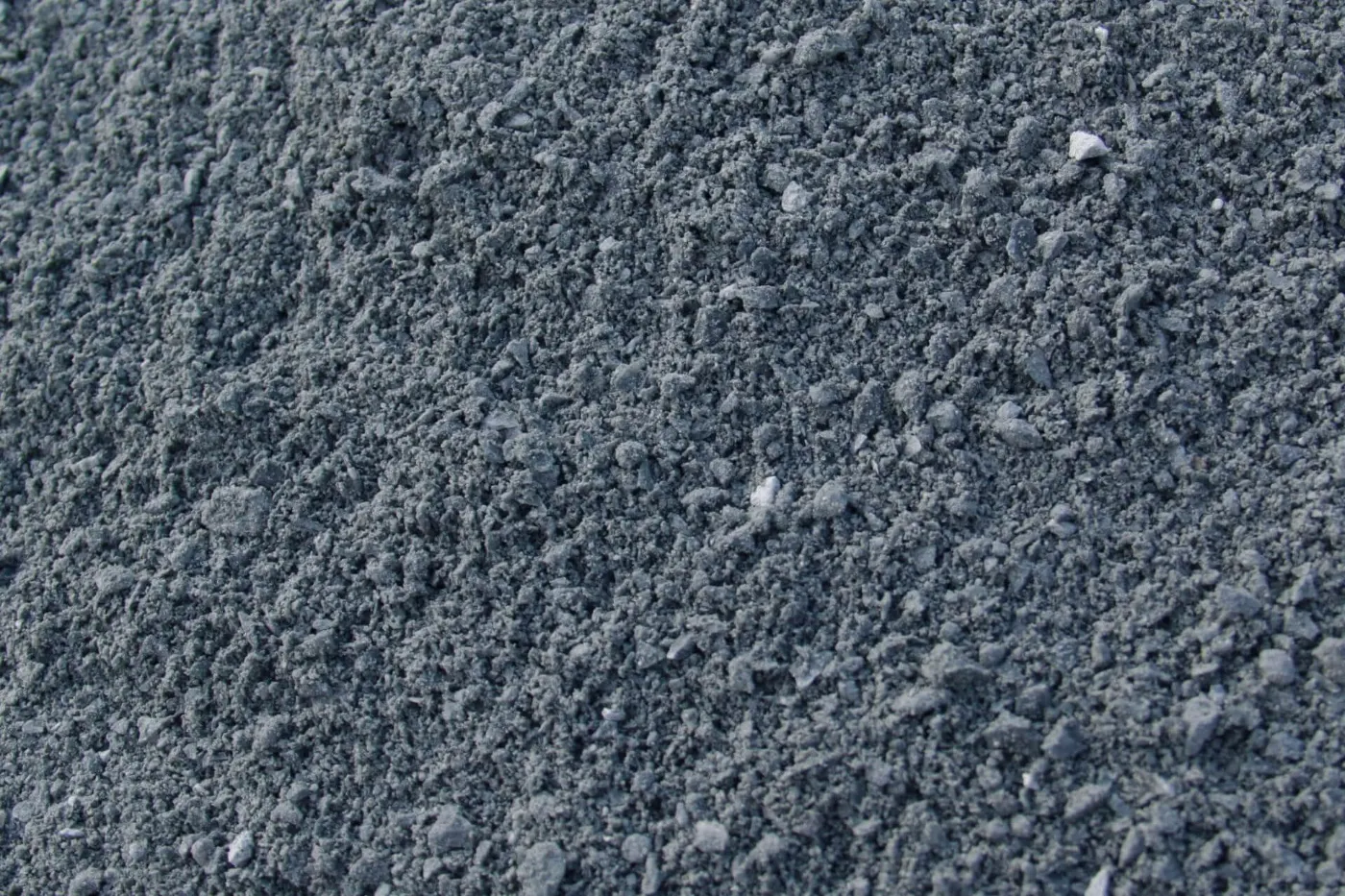 Blue Metal Crusher Dust
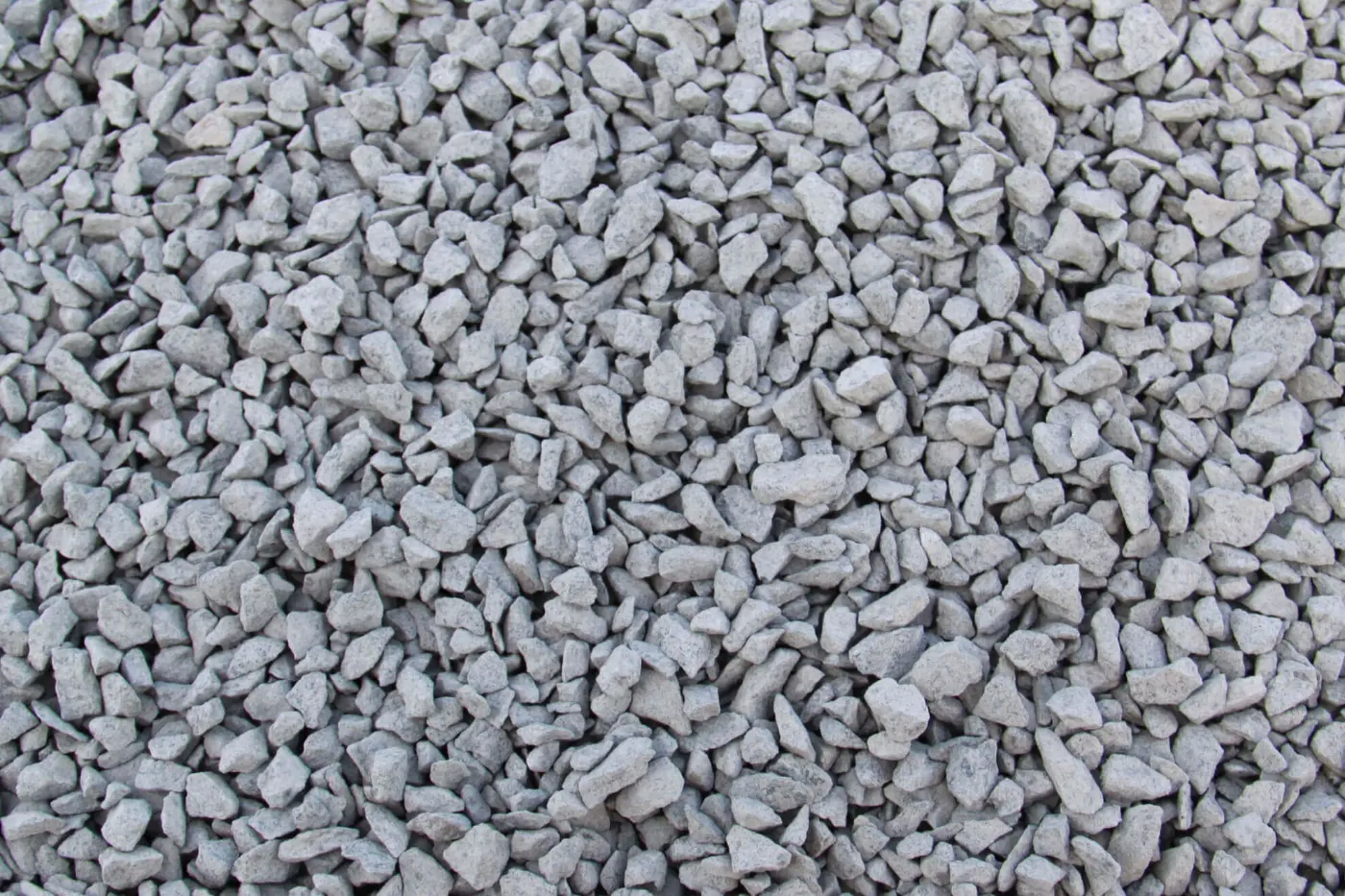 5mm Blue Metal
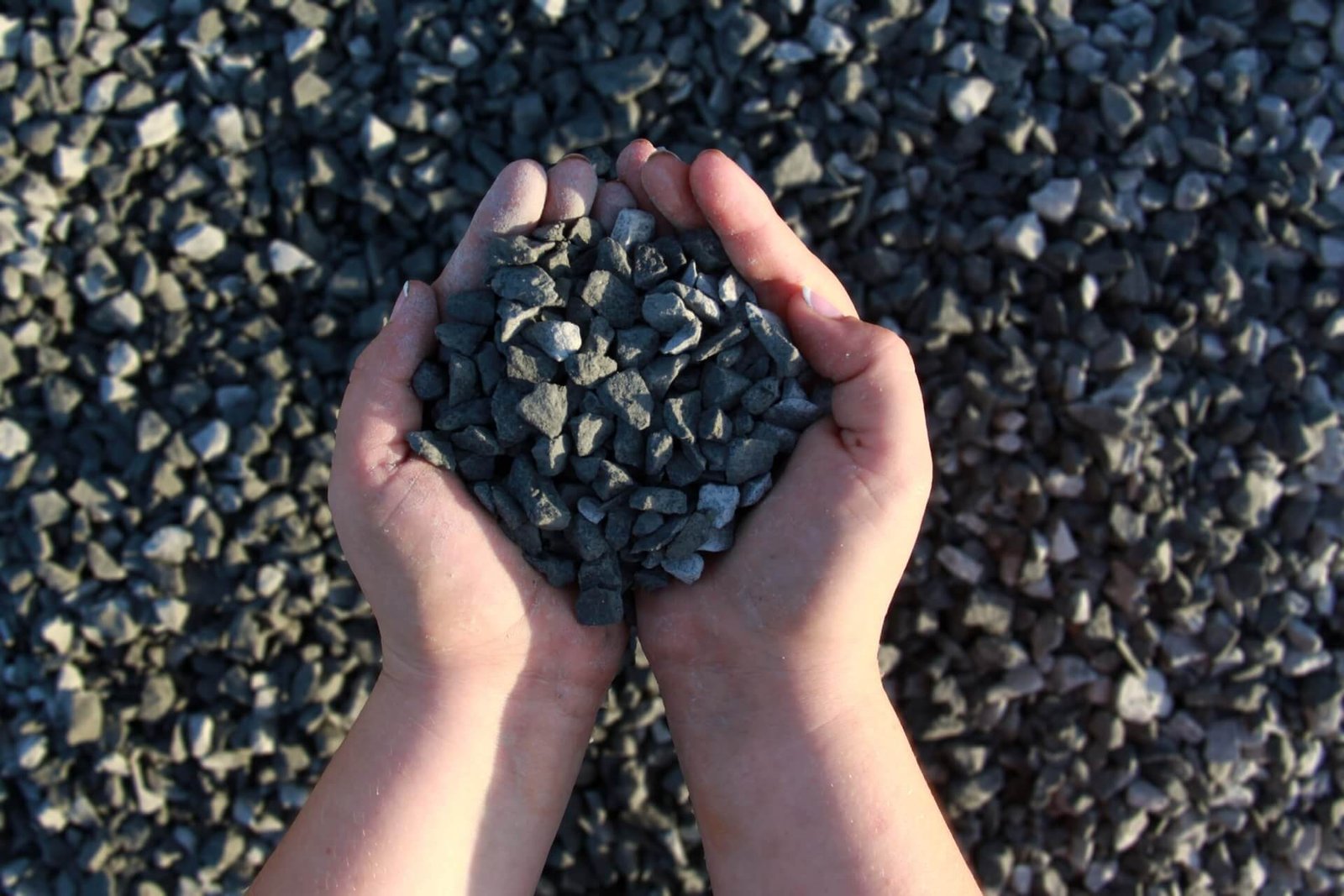 10mm Blue Metal
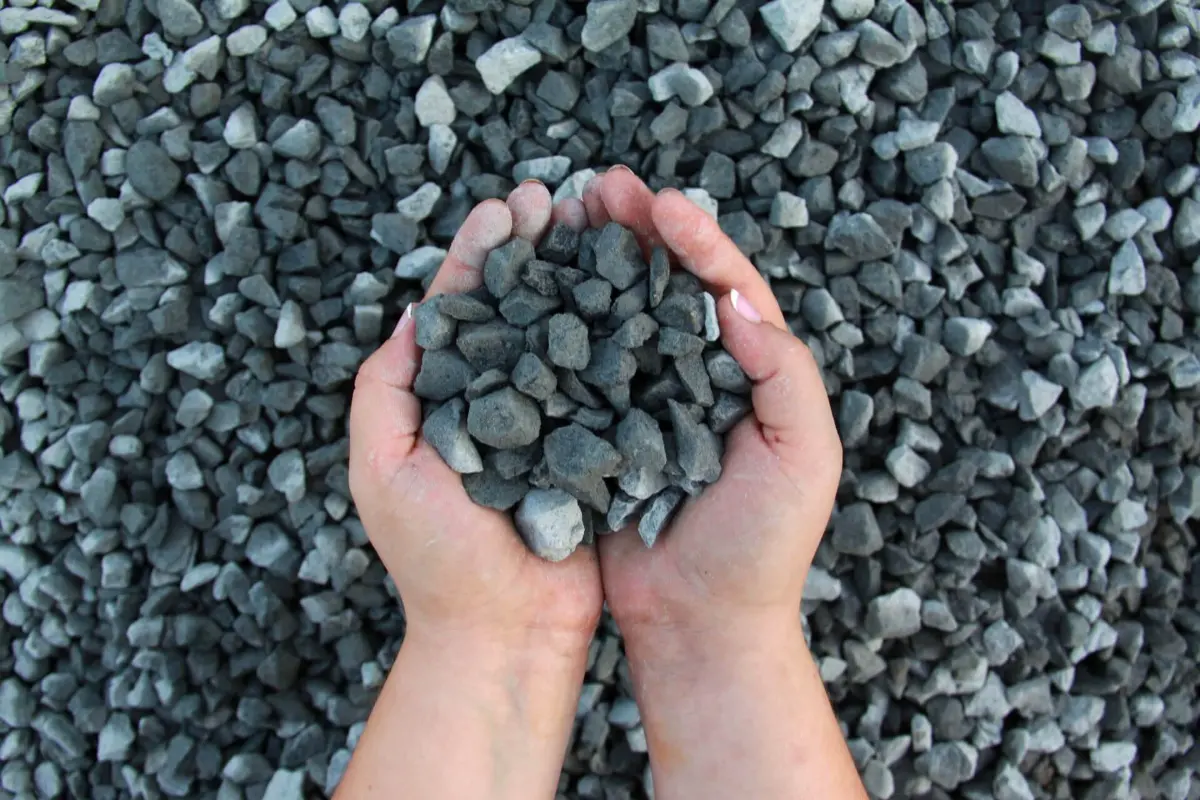 20mm Blue Metal
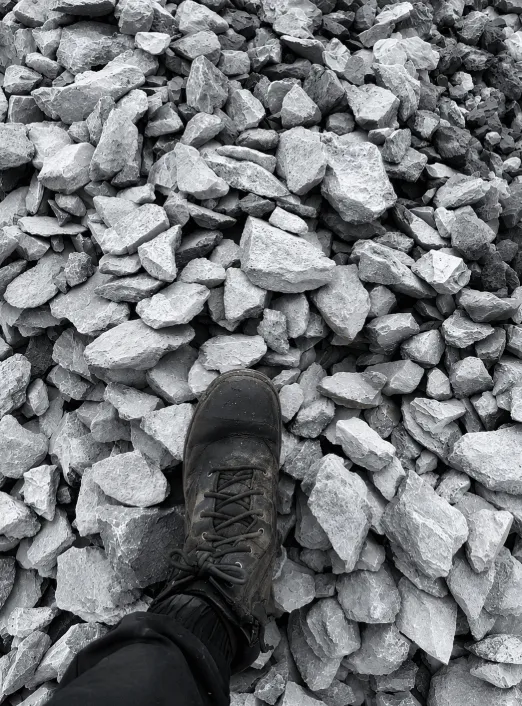 25–75mm Blue Rock
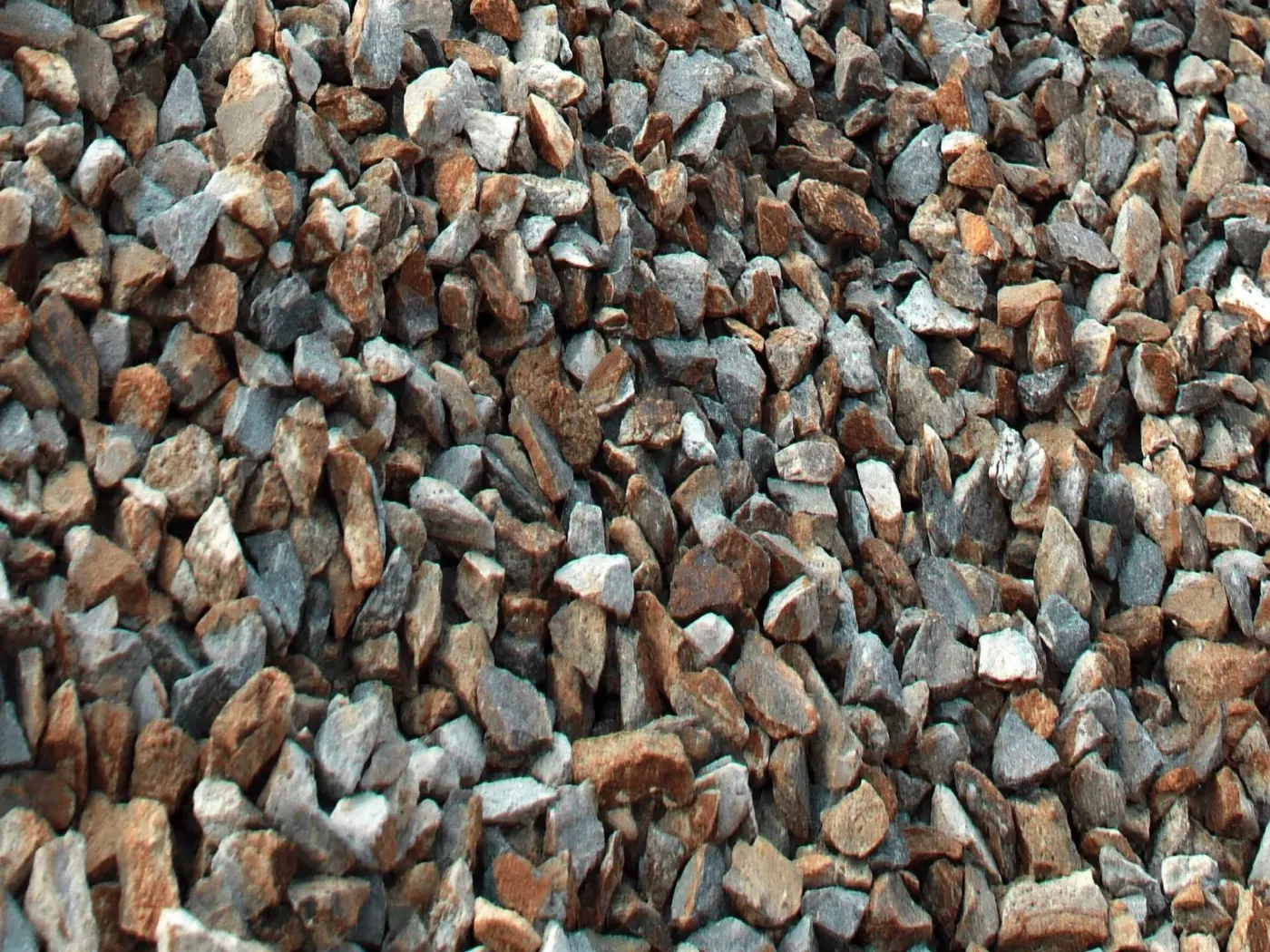 Multicolour Rock
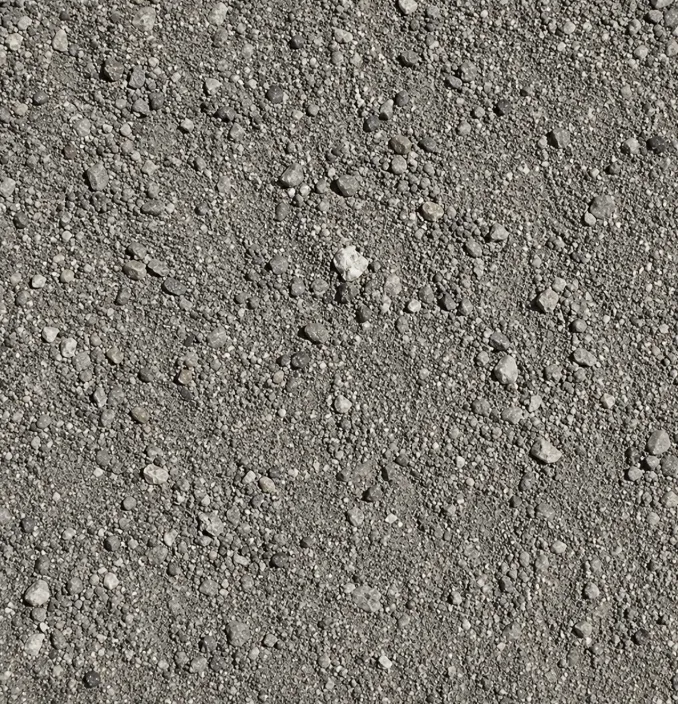 Recycled Concrete Crusher Dust
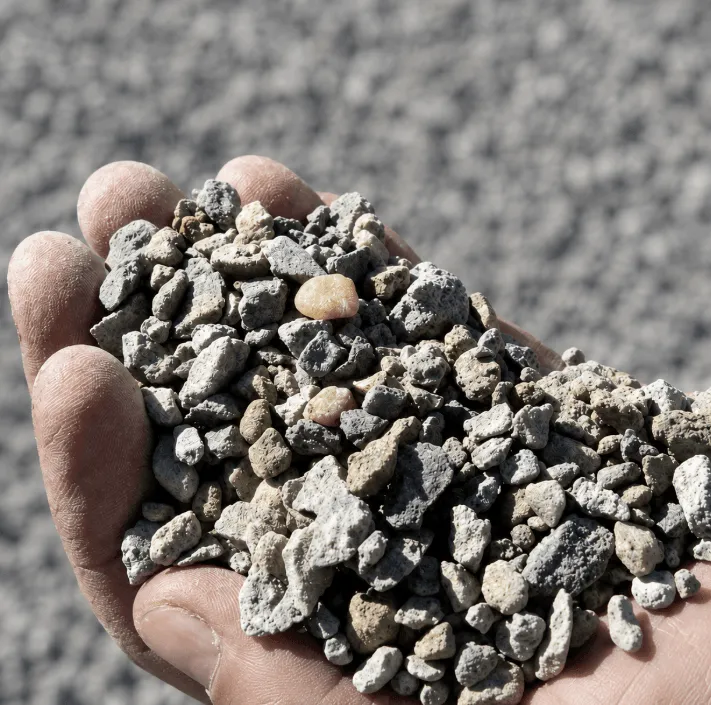 5mm Recycled Concrete
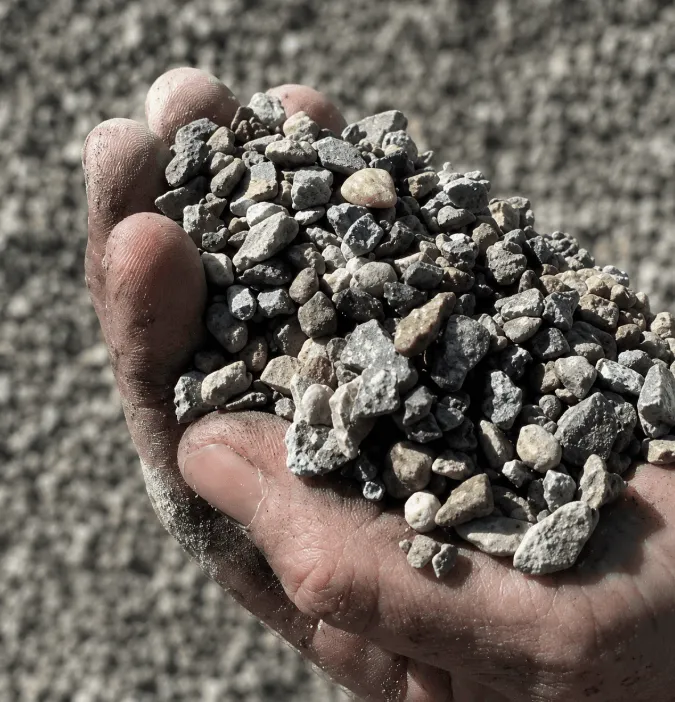 10mm Recycled Concrete
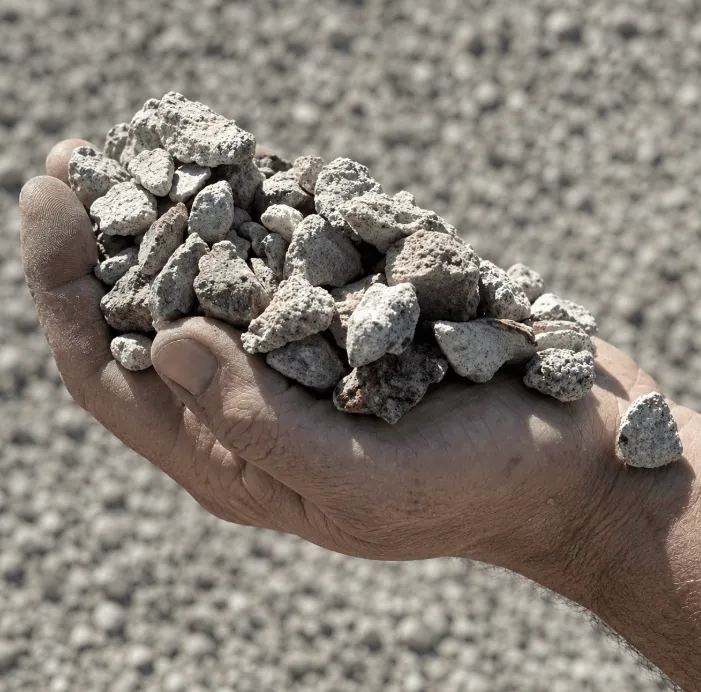 20mm Recycled Concrete
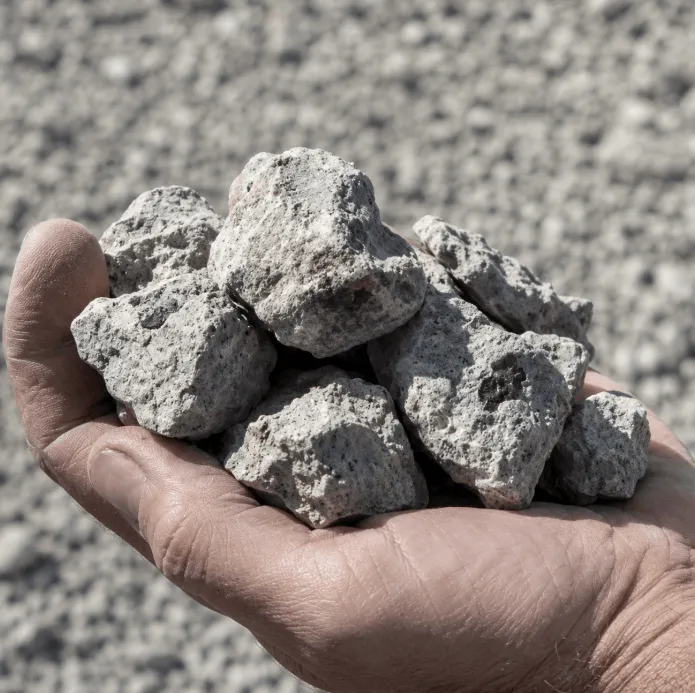 40–70mm Recycled Concrete
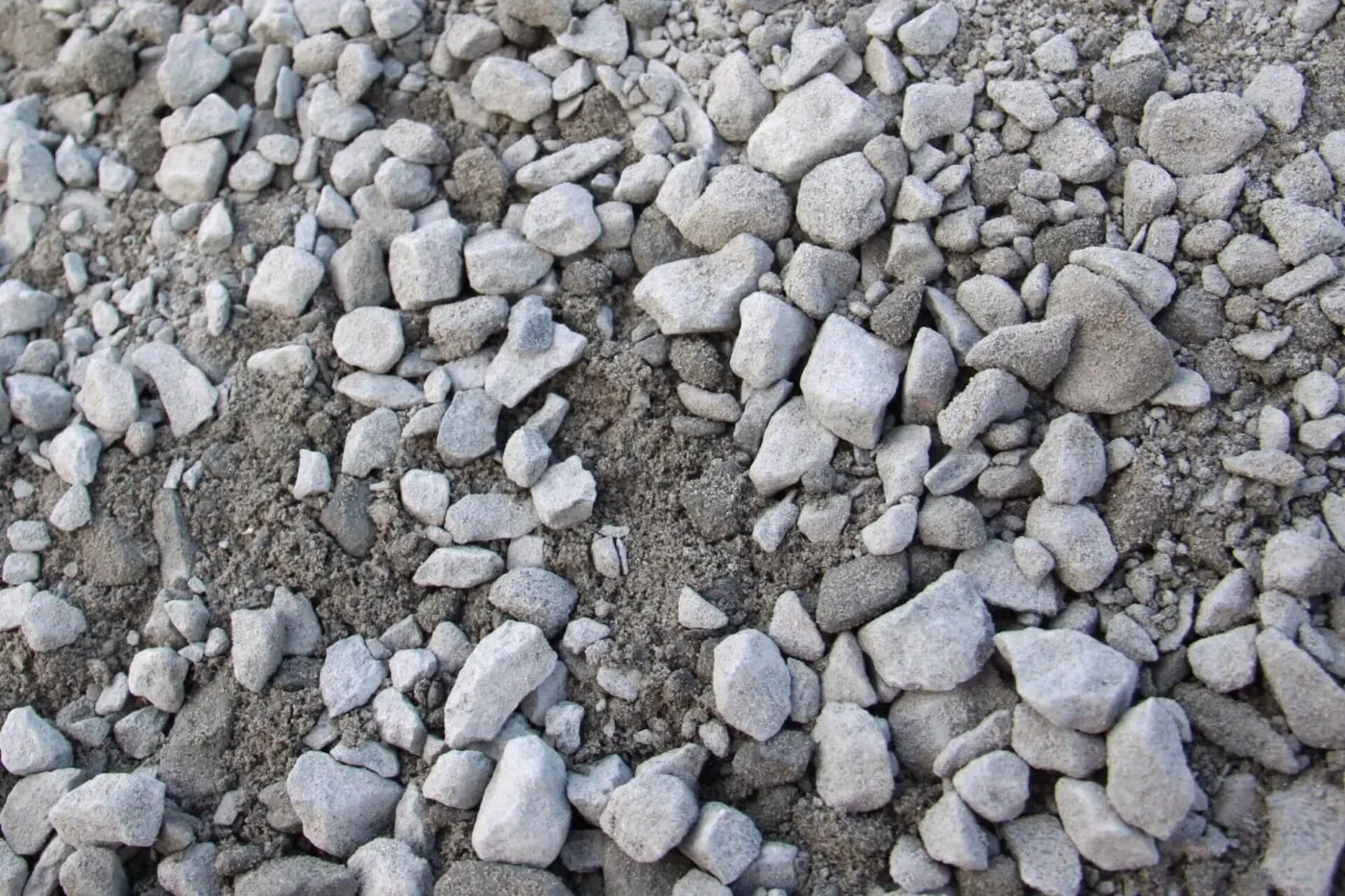 Concrete Blend
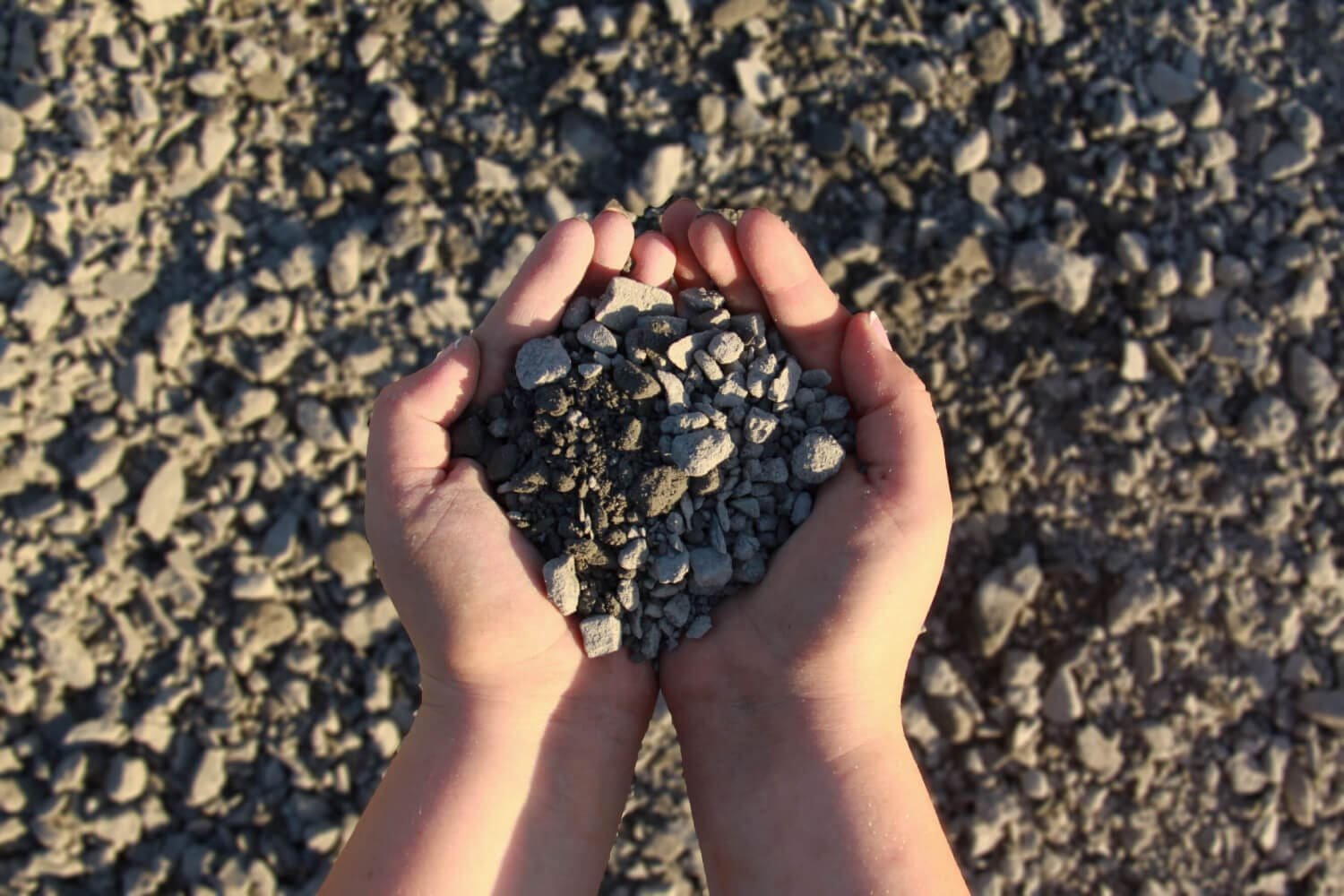 Road Base 2.1 – CBR80
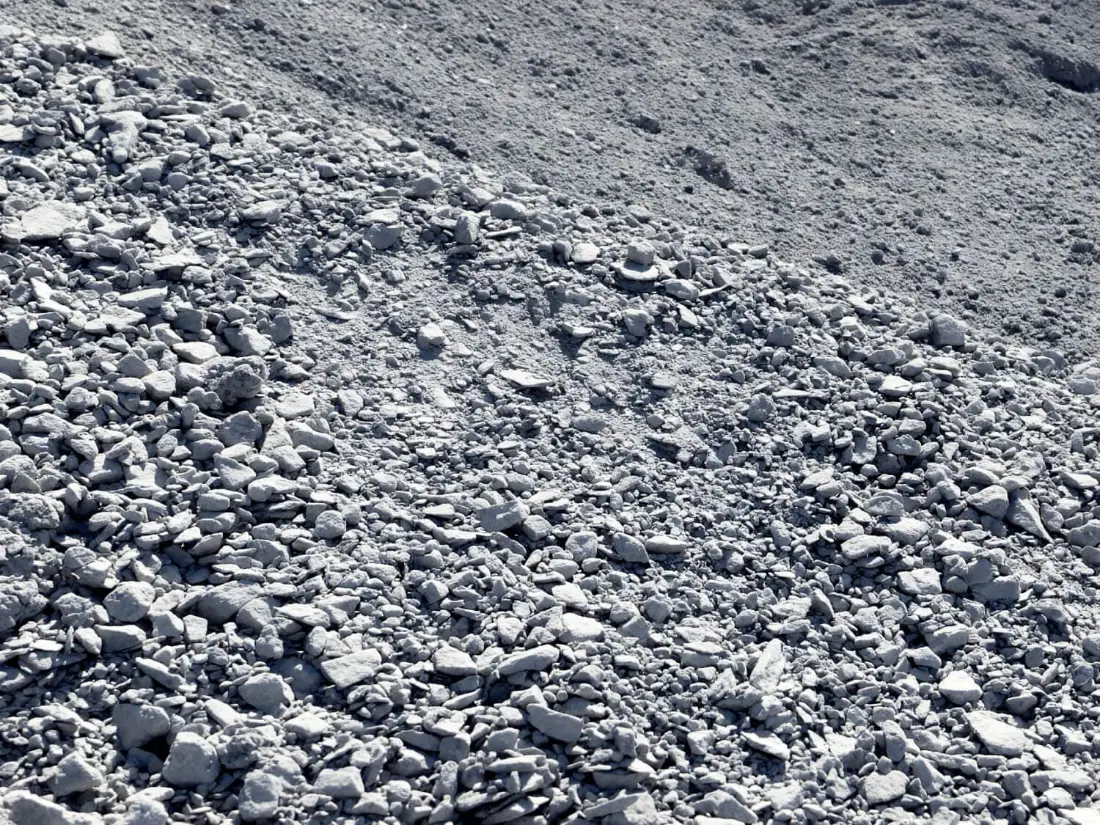 Road Base 2.3 – CBR45
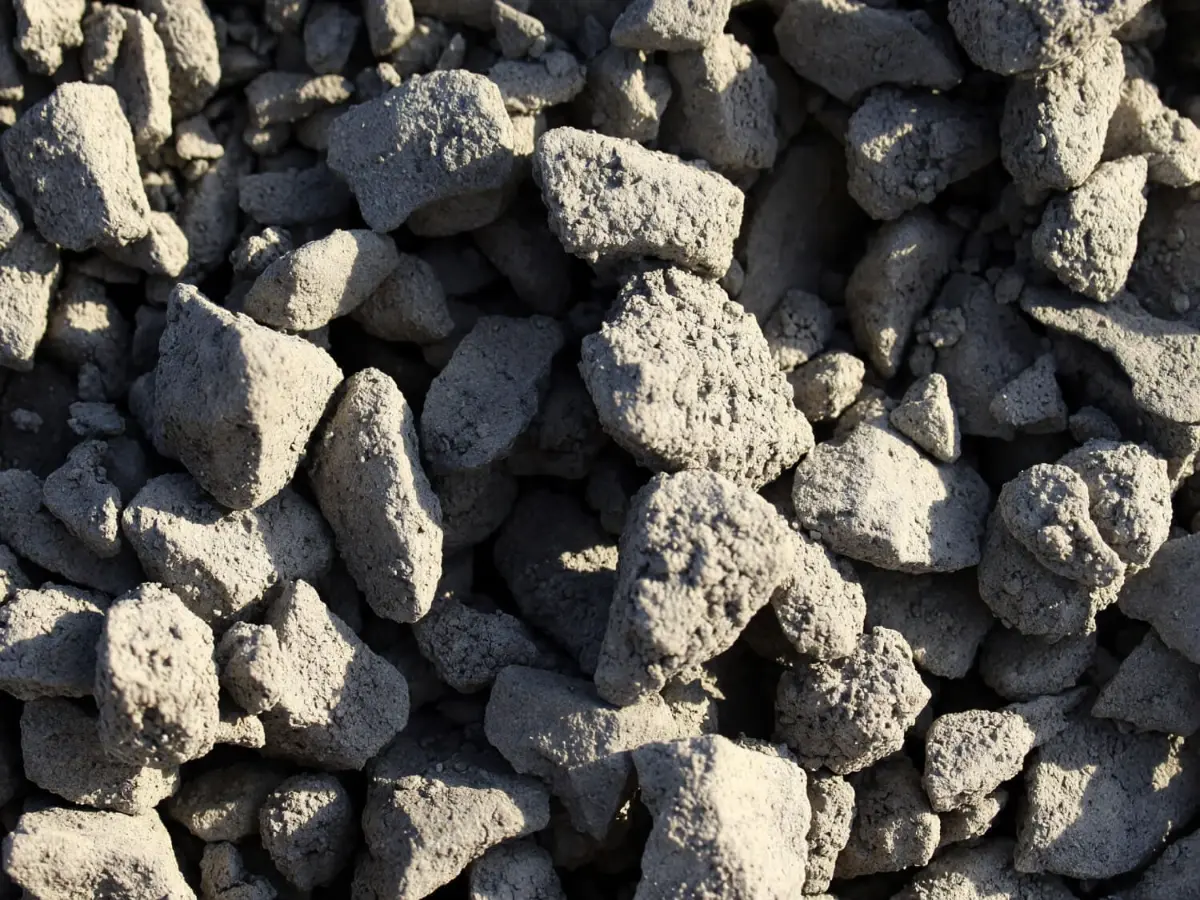 Road Base 2.5 – CBR15
Sand · 06.01
AES Sand
Advanced Enviro-Septic™ sand with no more than 2% silt. The sand most commonly used in septic systems to filter wastewater.
- Advanced Enviro-Septic™
- ≤2% silt
- Filtration
- Sold per m³
Quick answer
AES Sand (Advanced Enviro-Septic™ sand) is a blend of sands that meets a purity criterion of no more than 2% silt, because more silt can cause blockages and restrict water wicking. Its moisture-wicking and filtration properties make it a key component of septic tanks, water treatment systems, multi-media filters and sand filters, and it is the sand most commonly used in septic systems to filter wastewater.
| Standard | Advanced Enviro-Septic™ |
|---|---|
| Silt content | No more than 2% |
| Best for | Septic systems, sand filters, multi-media filters |
| Sold by | The cubic metre |
| Approx. weight | About 1.6 tonnes per m³ |
Weight is approximate. Check your area with the volume calculator.
Why choose it
Best features
- 01Low maintenance
- 02Eco-friendly
- 03Water filtration
- 04Moisture wicking
About the product
About this sand
AES sand stands for Advanced Enviro-Septic™, which is a variety of sands that come together to meet a certain criteria of purity. The main criteria is that it must contain no more than 2% silt, as anything more can cause blockages and restrict the wicking of water, affecting the natural bacterial environment.
When it comes to effective water filtration, Advanced Enviro-Septic™ Sand stands out as the ideal choice for your septic tank and water treatment systems. Known for its exceptional moisture-wicking properties, AES Sand is a key component in multi-media filters and sand filters, offering a simple yet highly effective solution for water filtration needs.
It is the sand that is most commonly used in septic systems to filter wastewater before it is dispersed into the environment.
Common questions about AES Sand
What does AES sand stand for?
Advanced Enviro-Septic™. It is sand that meets a purity criterion of no more than 2% silt so septic systems stay free-flowing.
Why does silt content matter in septic sand?
More than 2% silt can cause blockages and restrict water wicking, which affects the natural bacterial environment the system relies on.
How much AES sand do I need?
Quantities depend on your septic system design. Send us the plans or your installer’s specification and we’ll quote the right amount.
Compare our other sand
Tell us the job. We’ll tell you how much.
Send through the product, quantity and delivery suburb and we’ll come back with a price and a delivery time.