
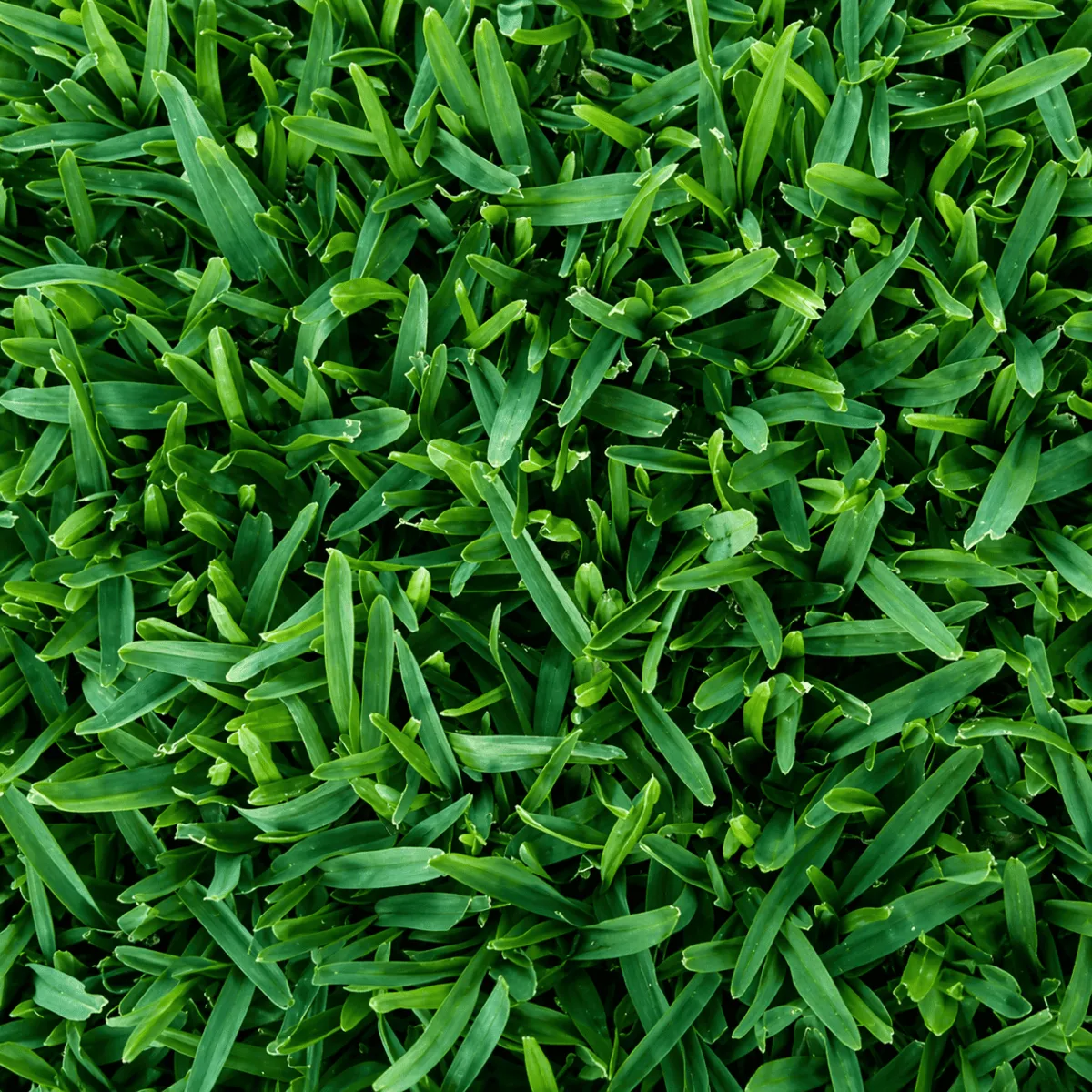
 Sir Walter Buffalo
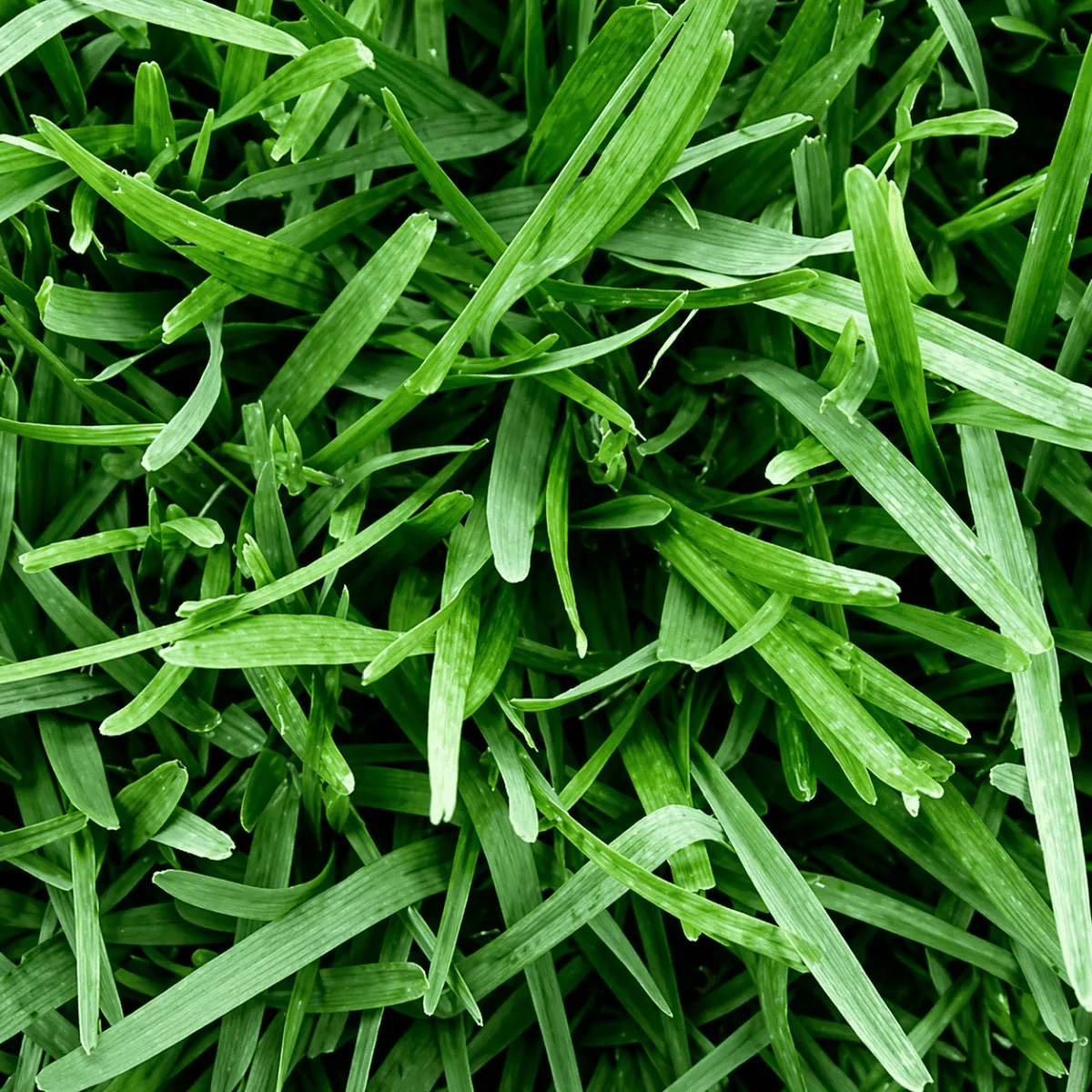 Soft Buffalo
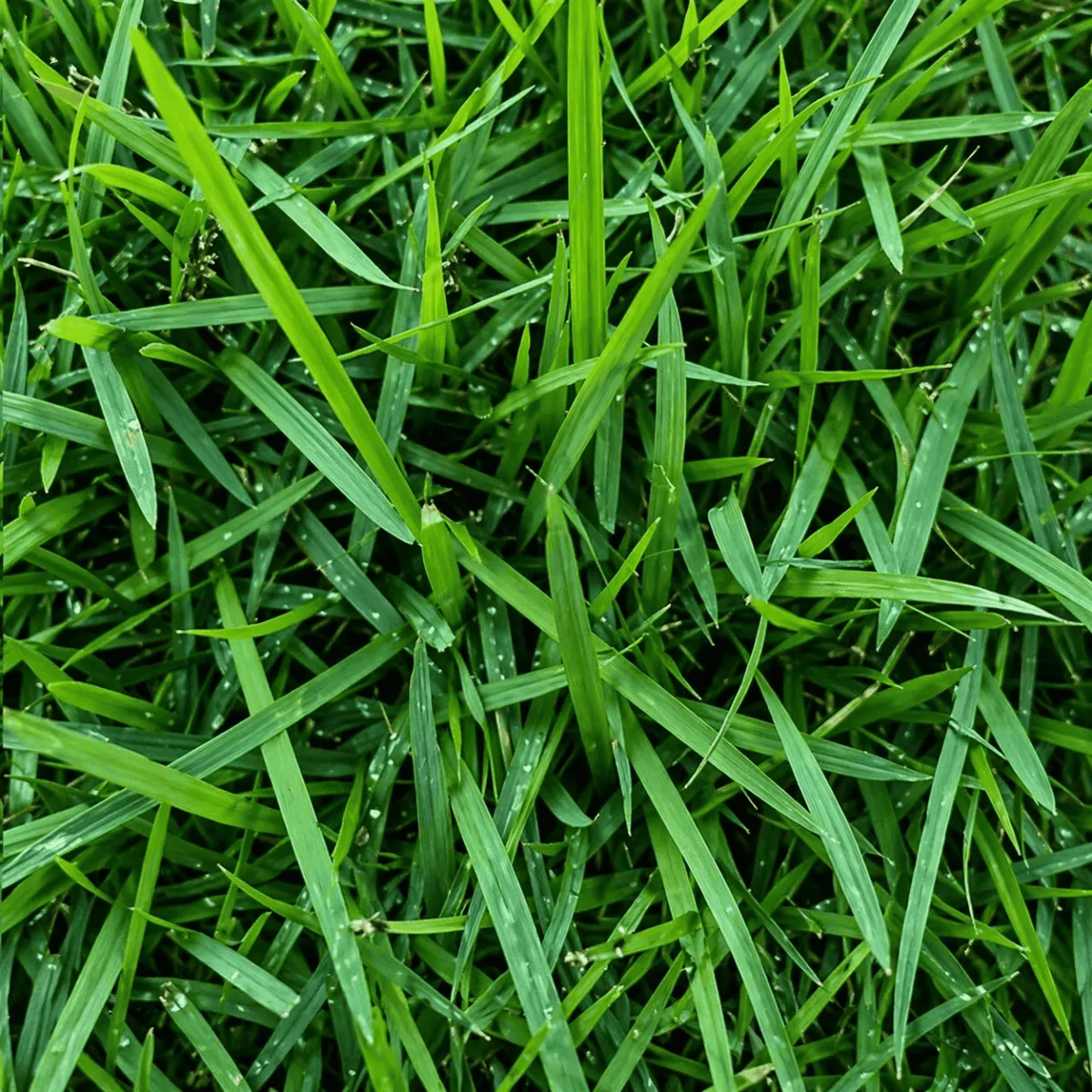 Wintergreen
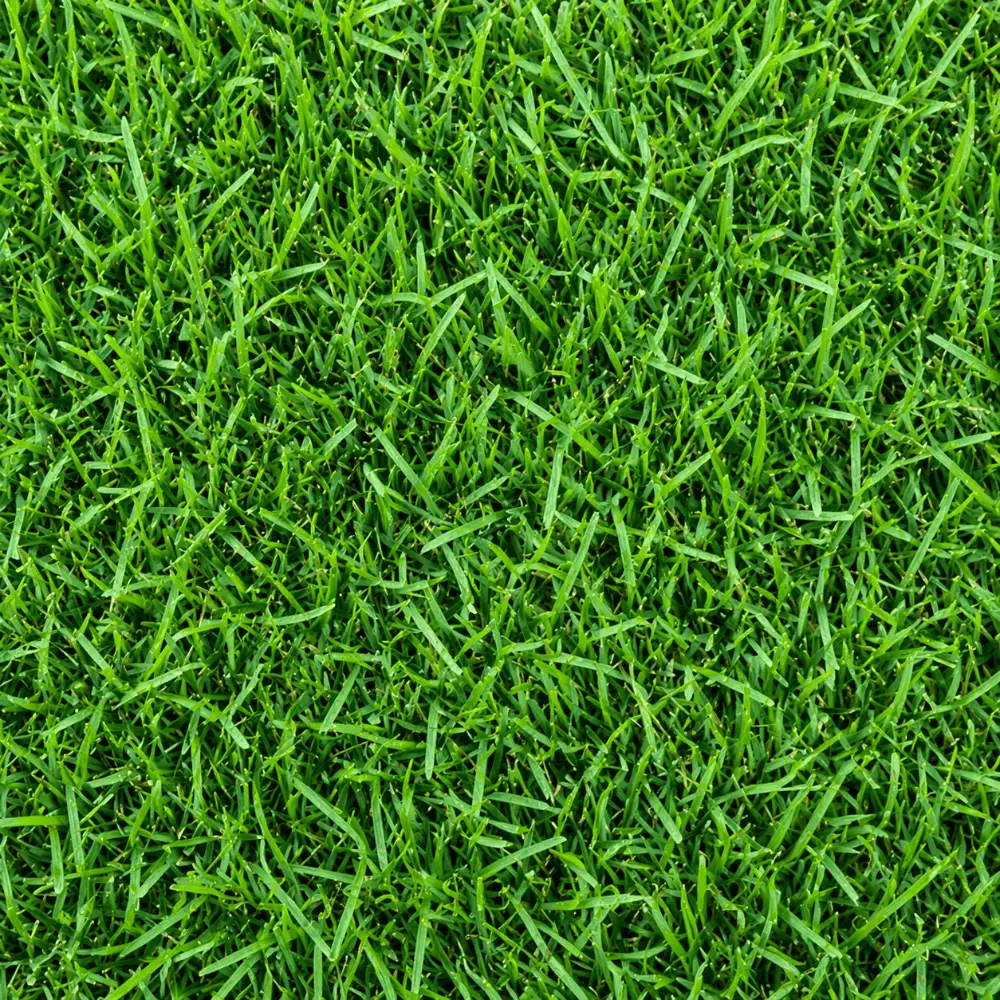 Zoysia
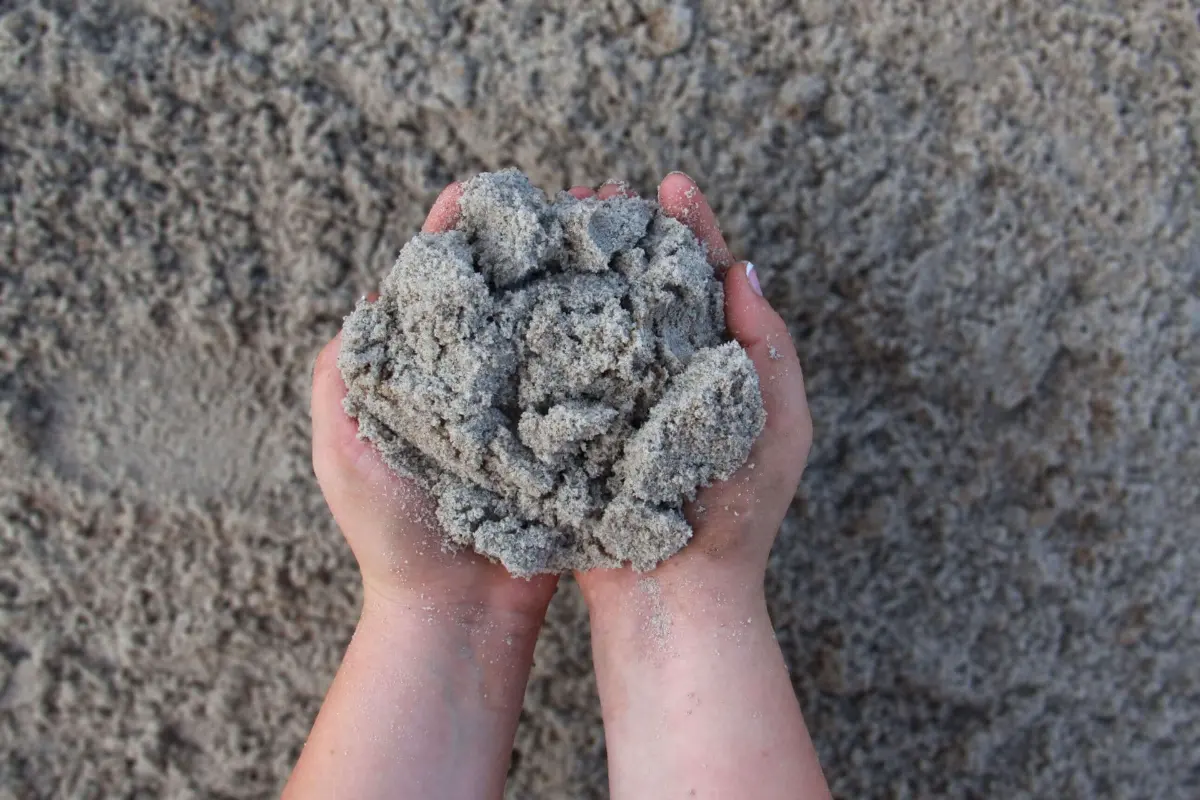 Fertilised Top Dress
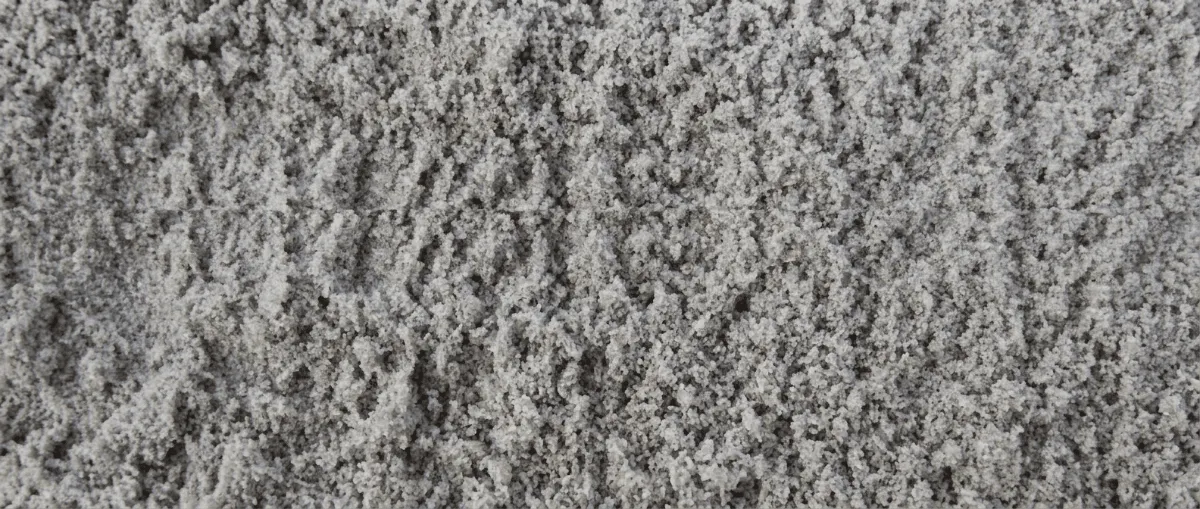 USGA Top Dress Sand
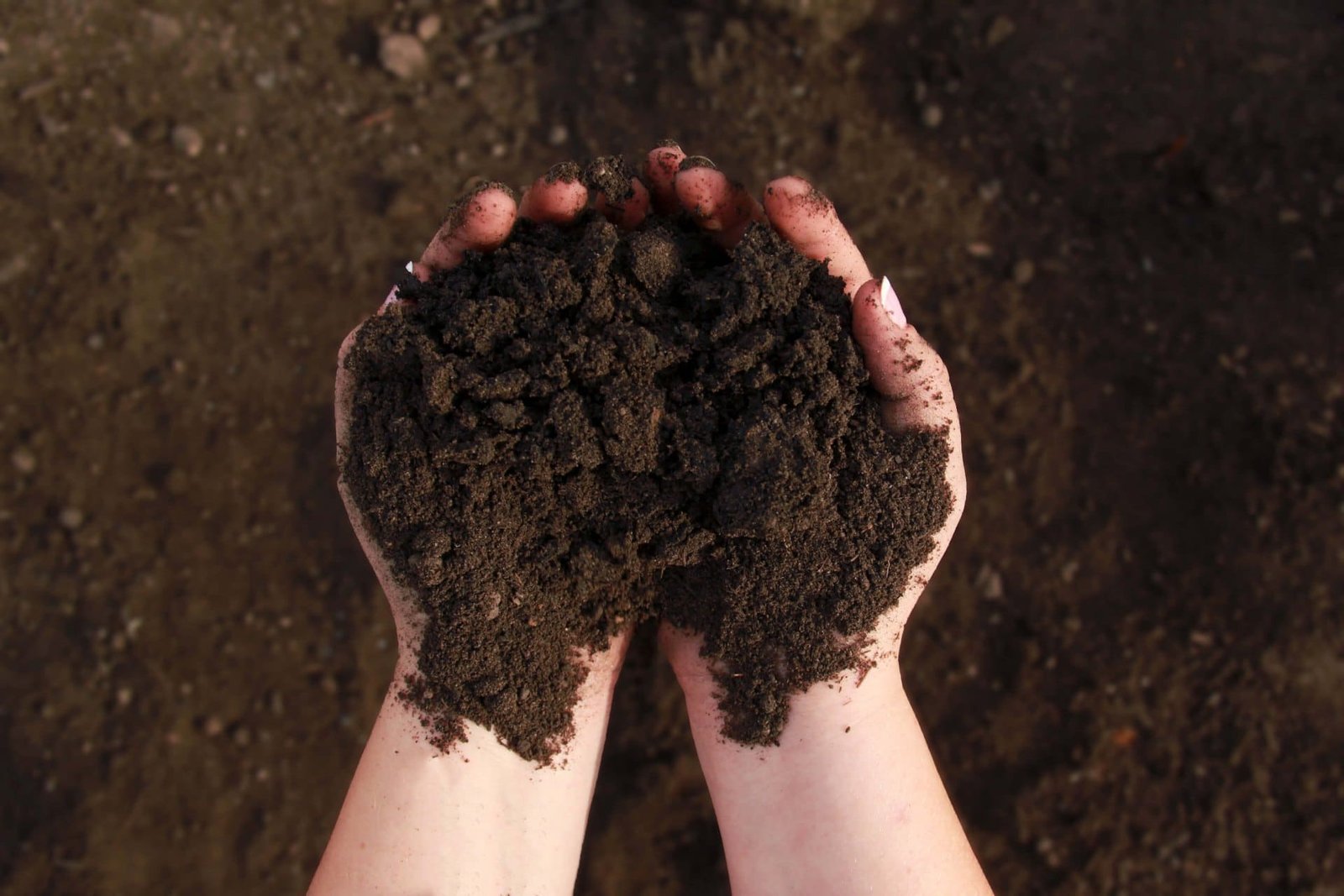 Under Turf Soil
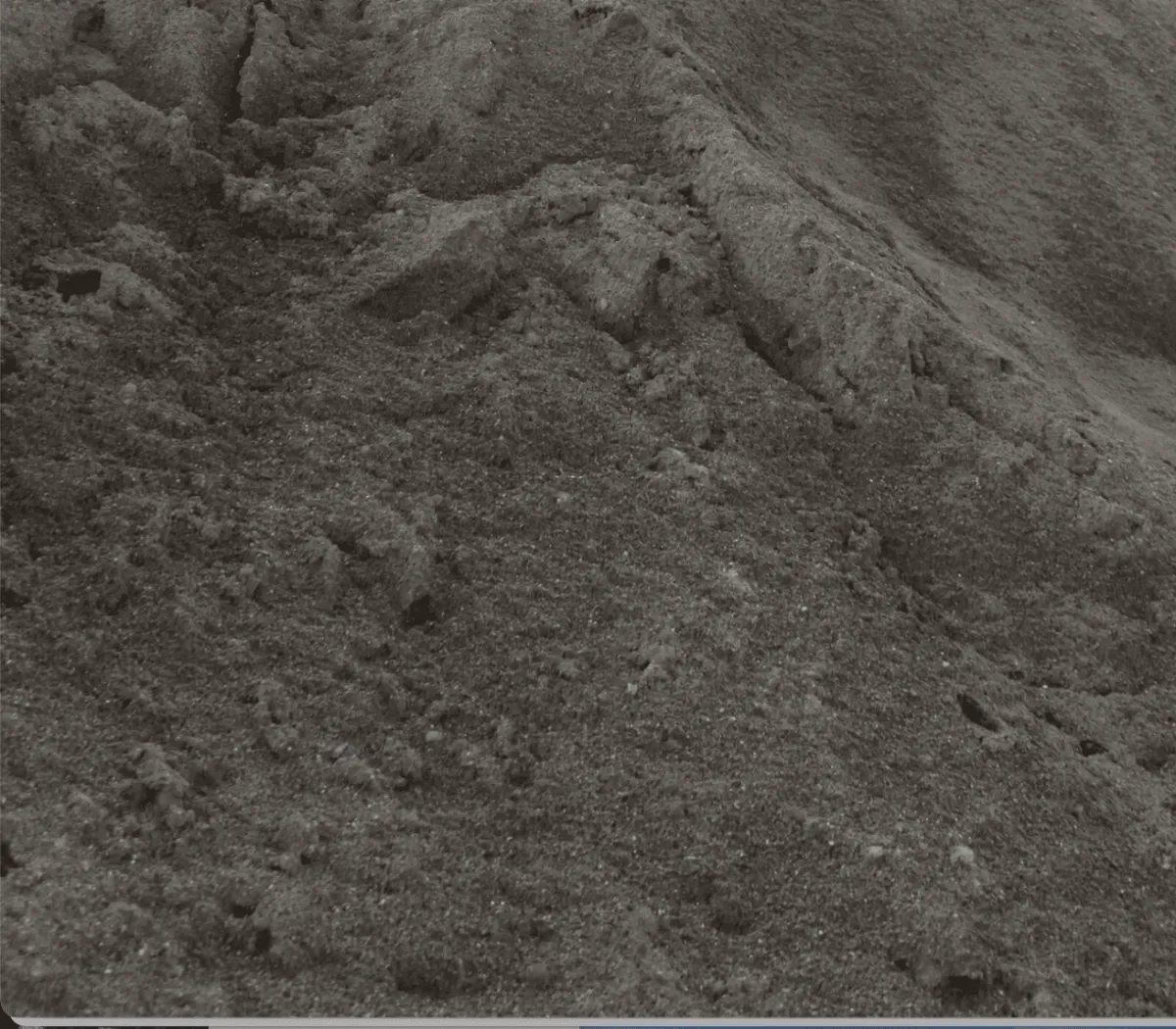 Premium Under Turf Soil
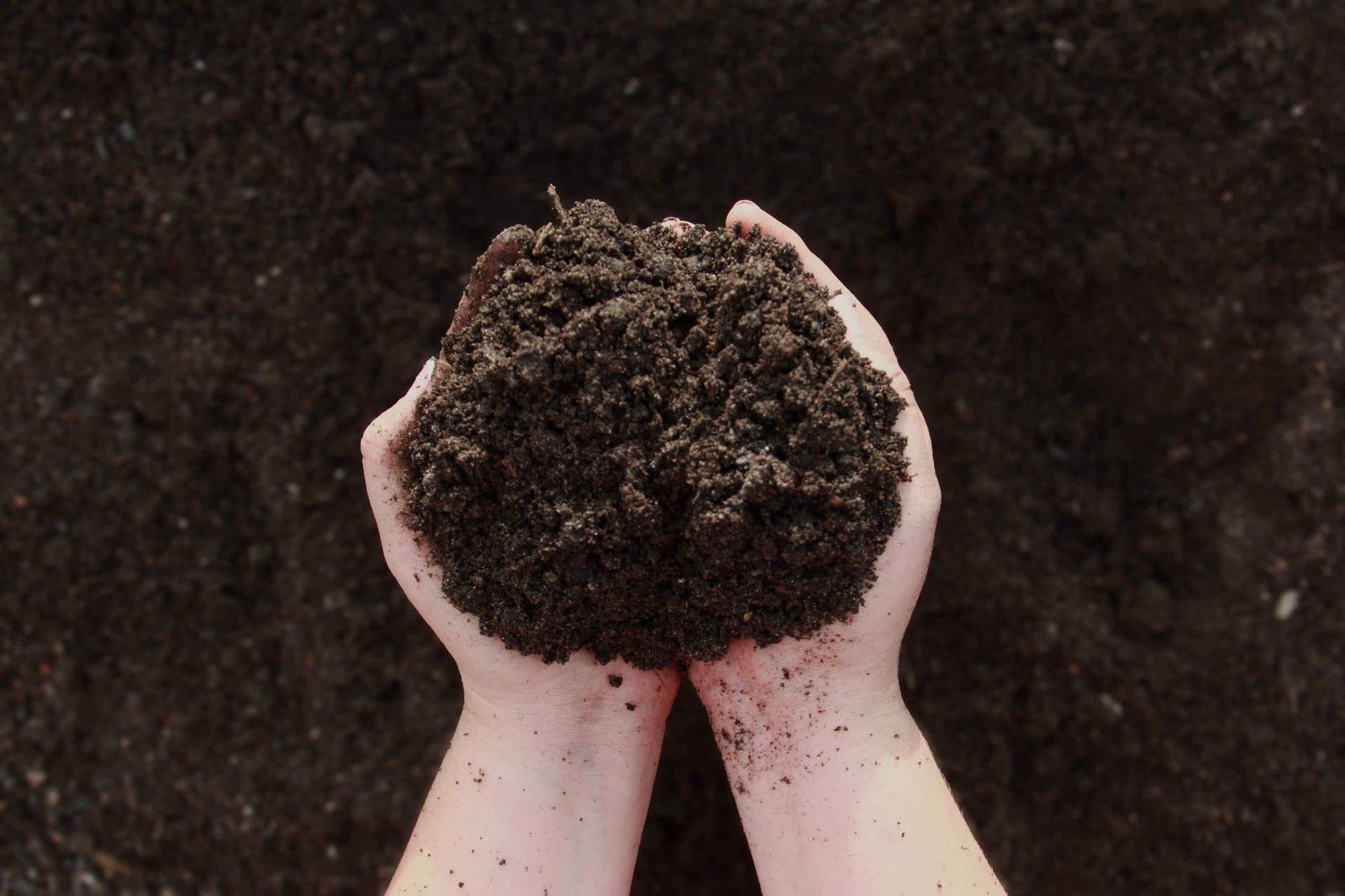 Veggie Mix Organic Garden Soil
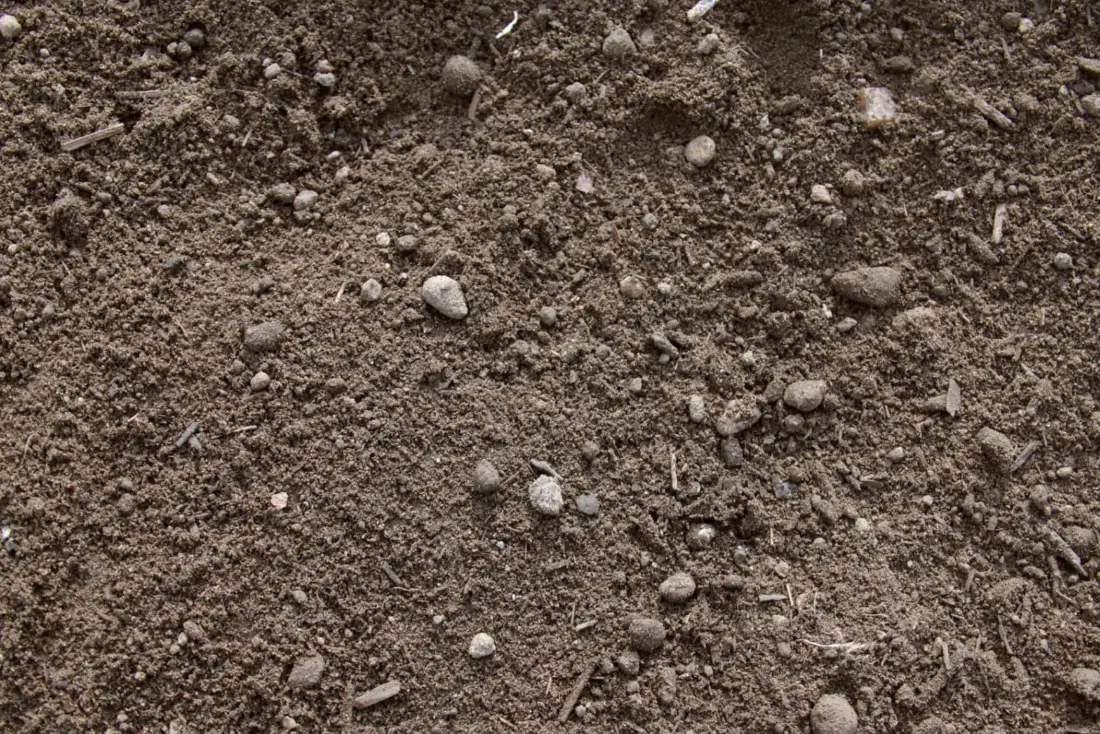 Ultra Premium Veggie Mix
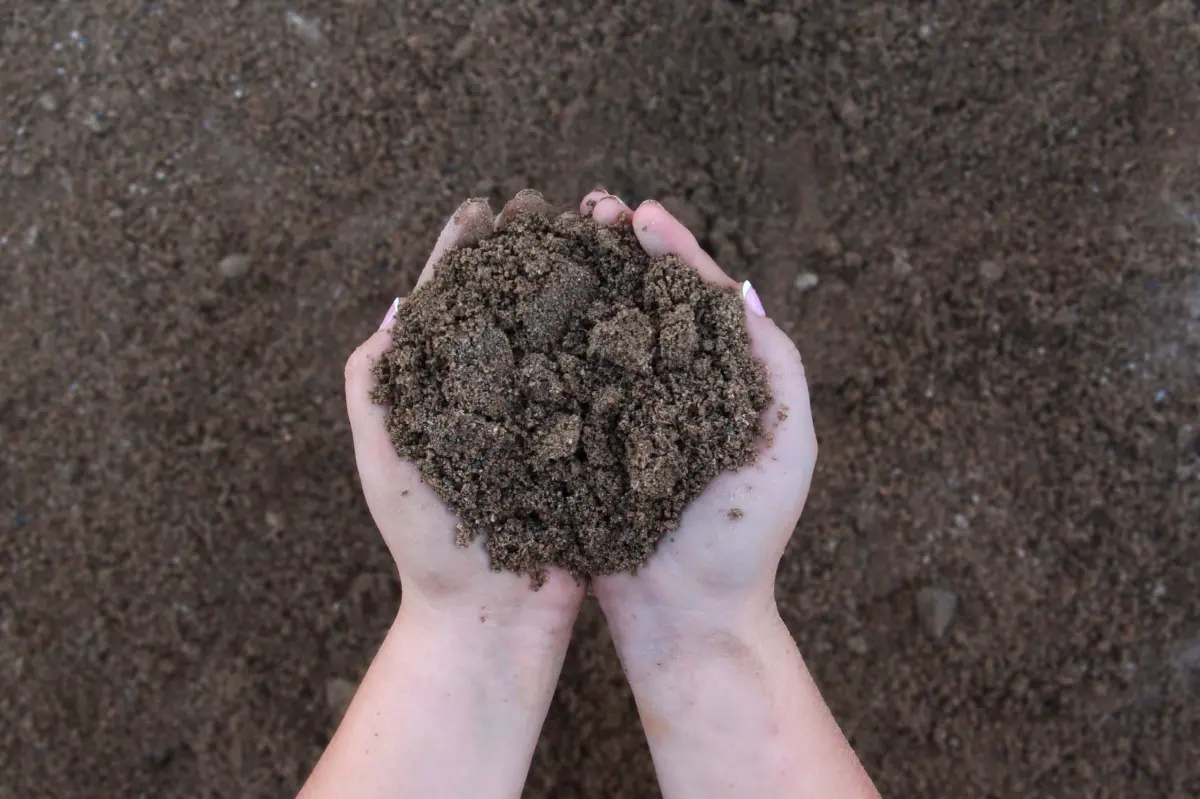 Premium Garden Soil
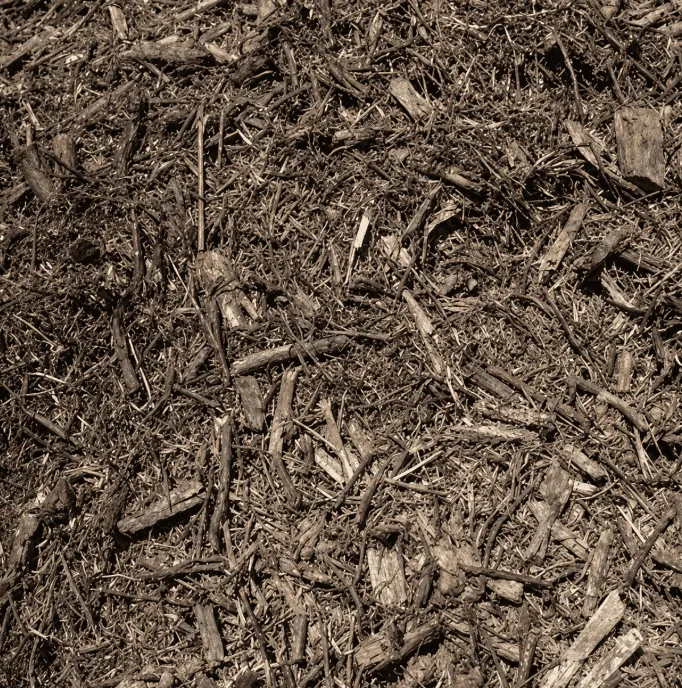 Tea Tree Mulch
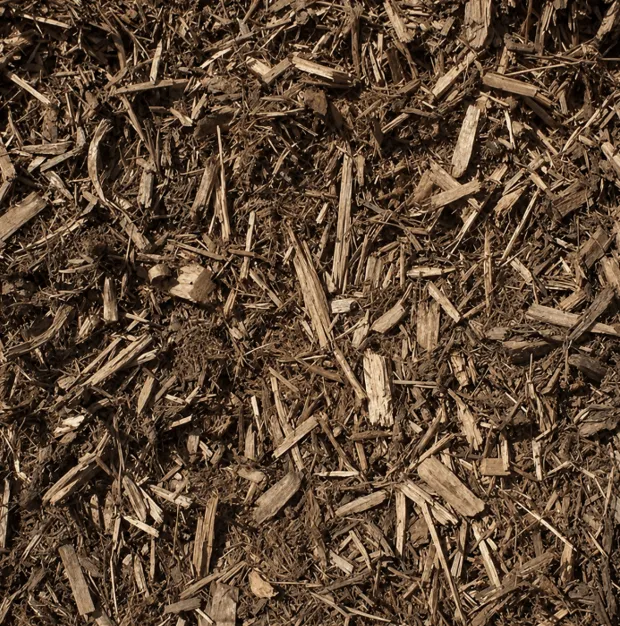 Cypress Mulch
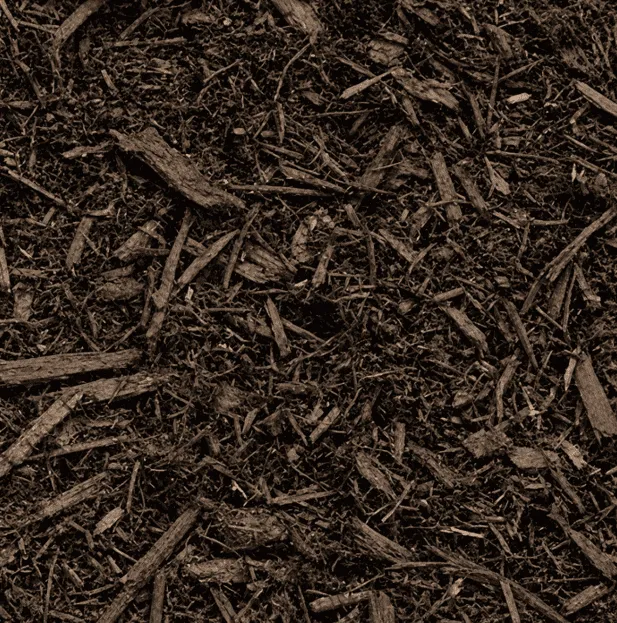 Forest Mulch
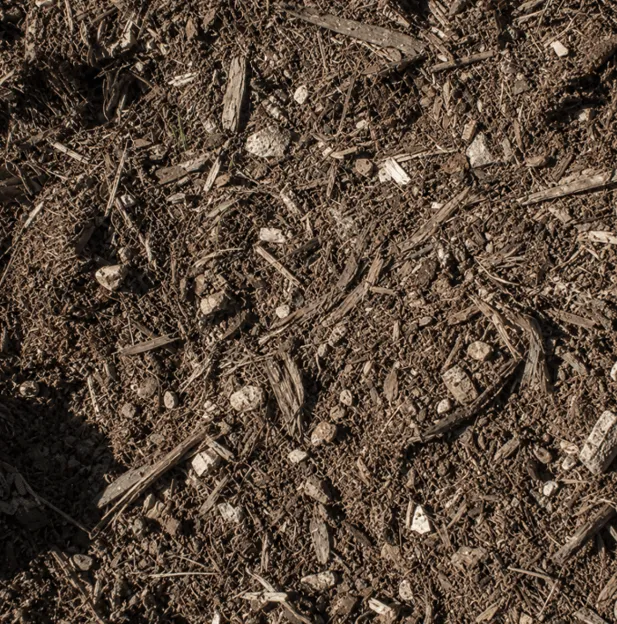 Forest Mulch Double Grind
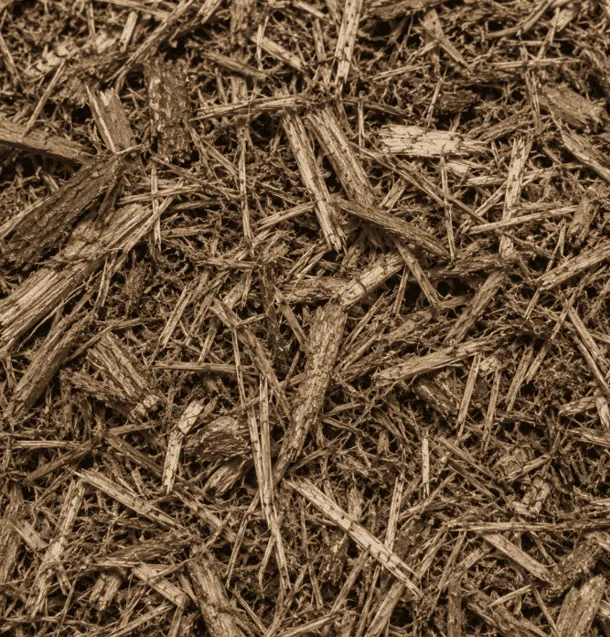 Tub Grind Mulch Coarse
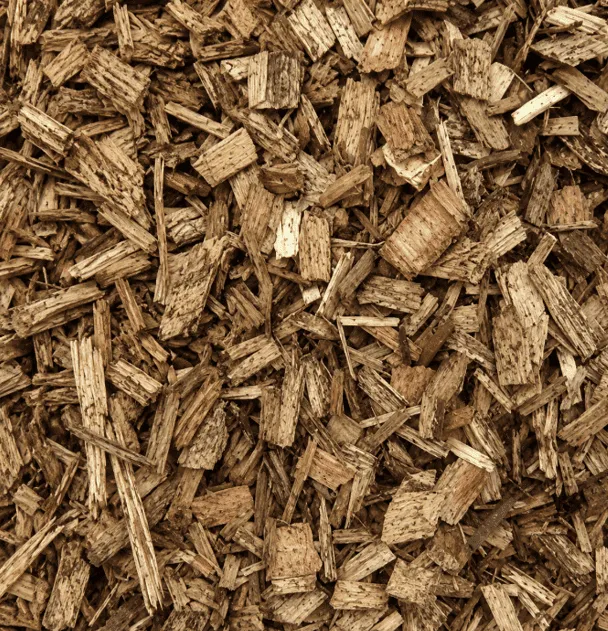 Hardwood Chip
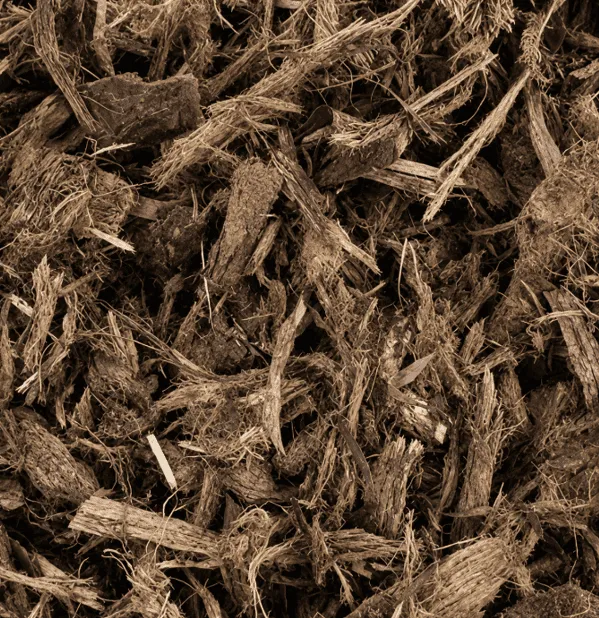 Hoop Bark 1–2 Inch
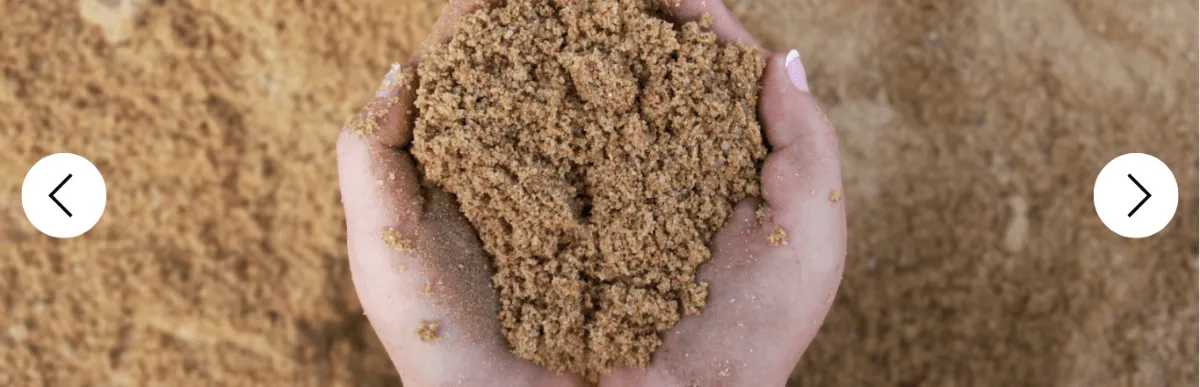 AES Sand
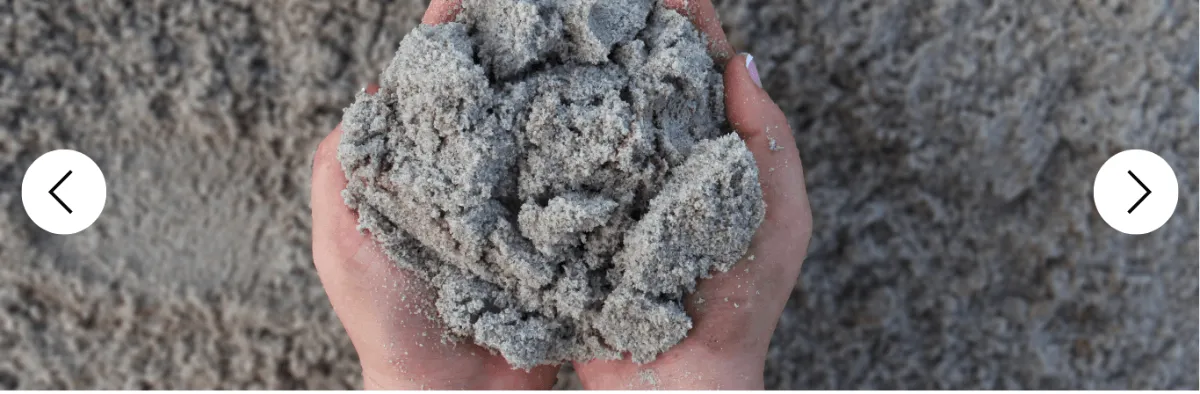 Bedding Sand
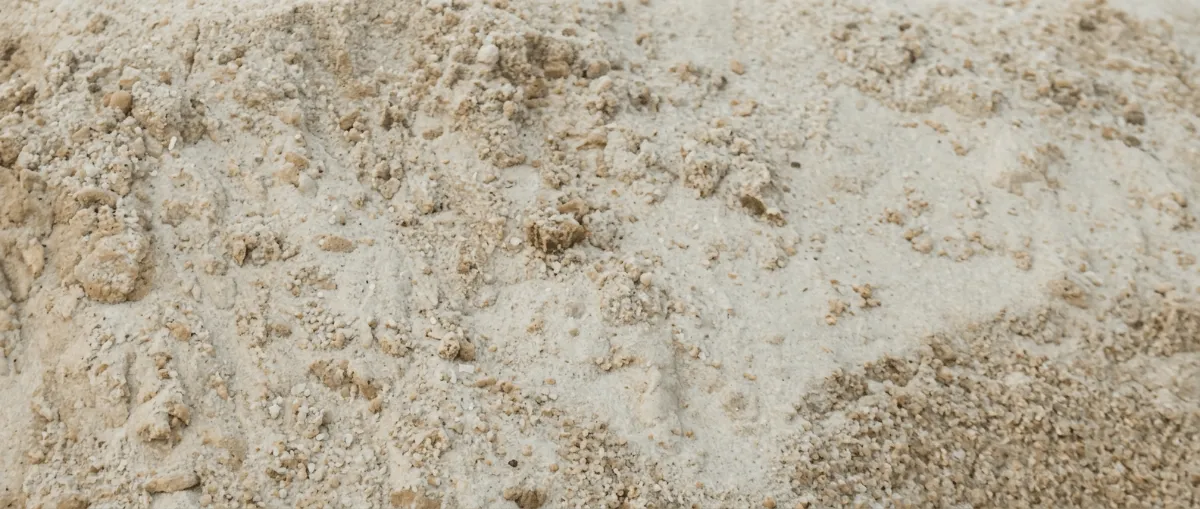 Bio Media Sand
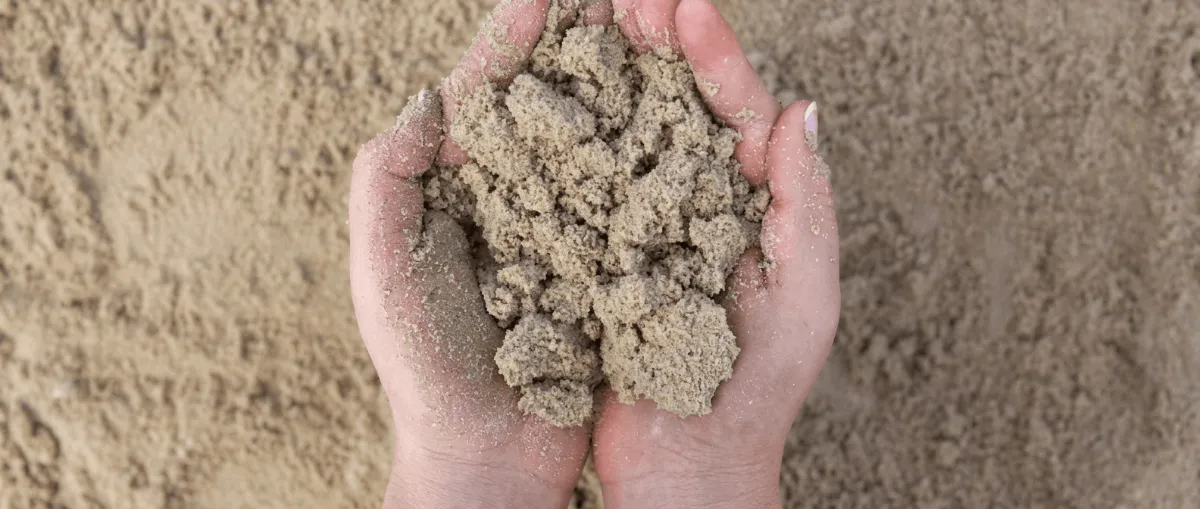 Brickies Loam
 Coarse Sand
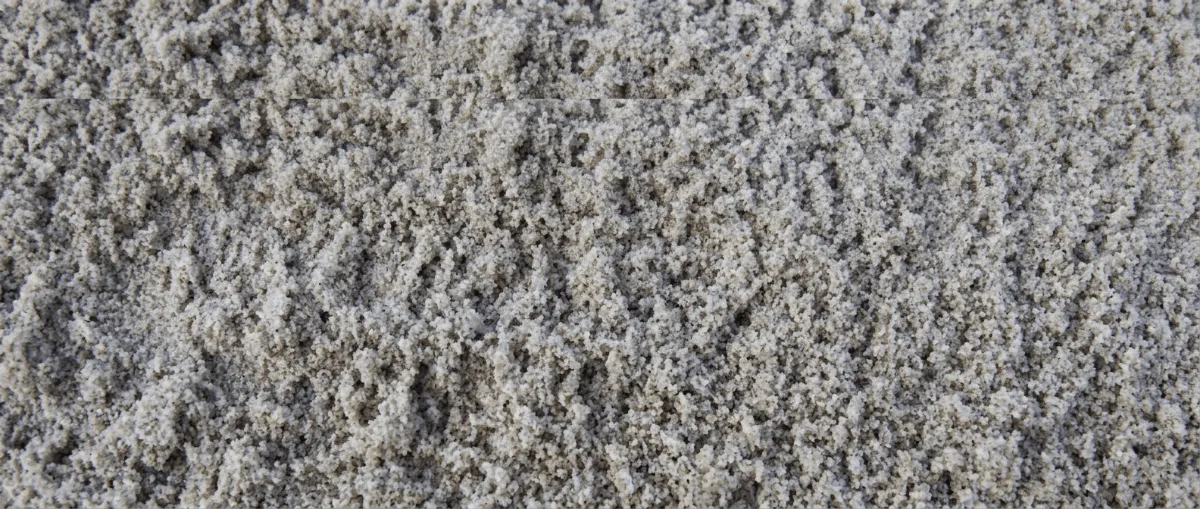 Electrical Sand
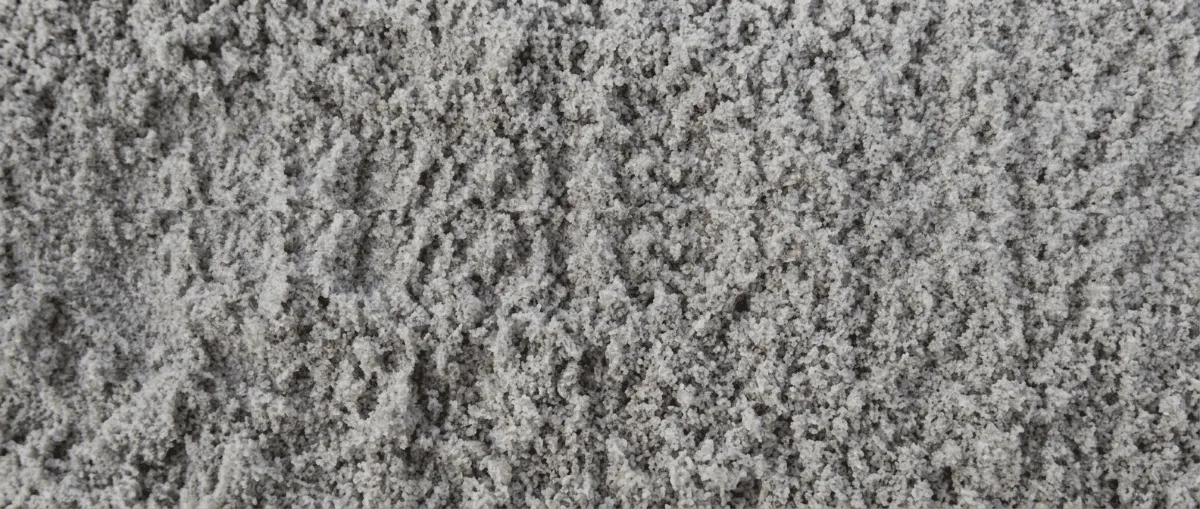 USGA Top Dress Sand
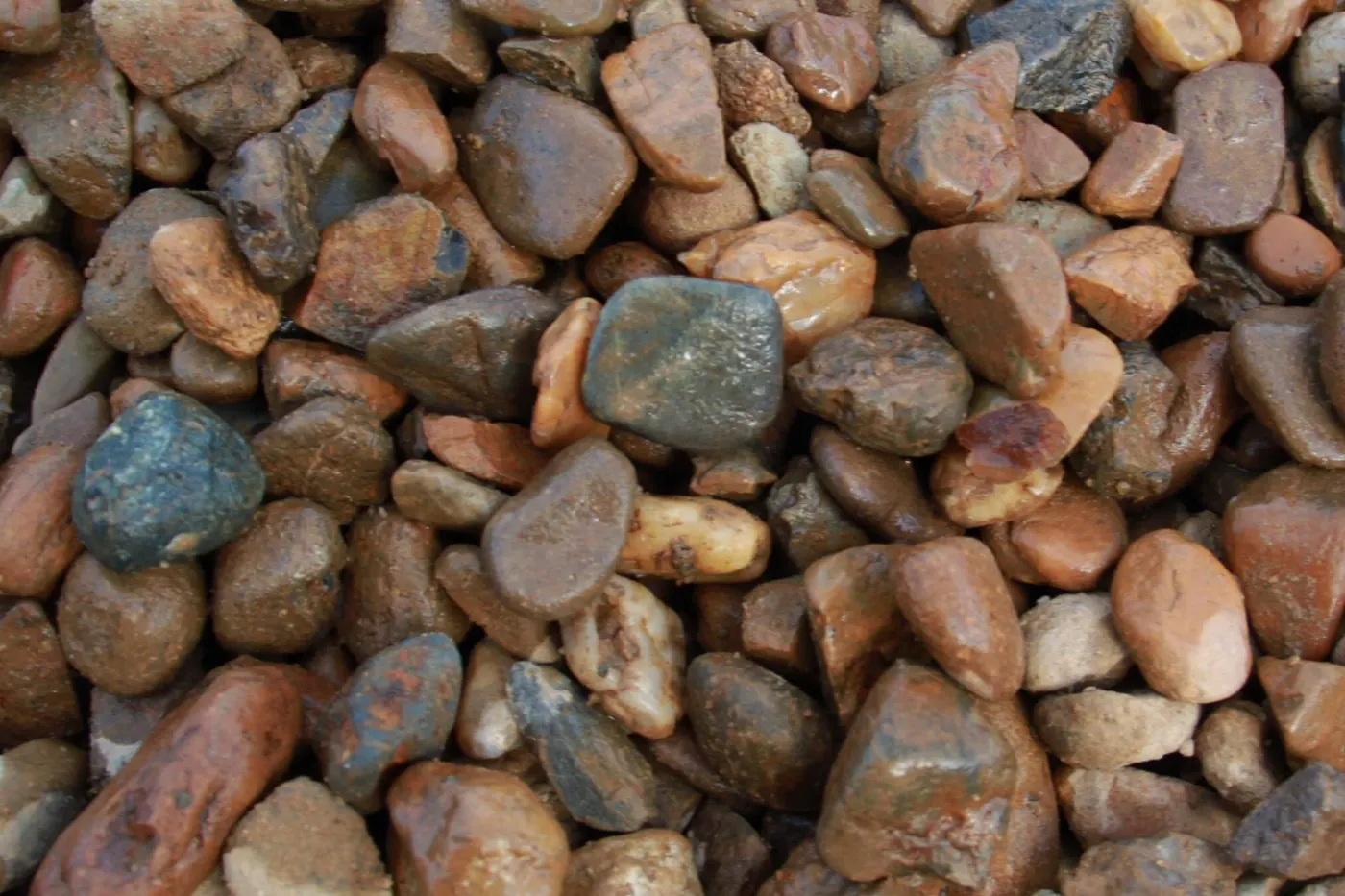 20mm River Stone
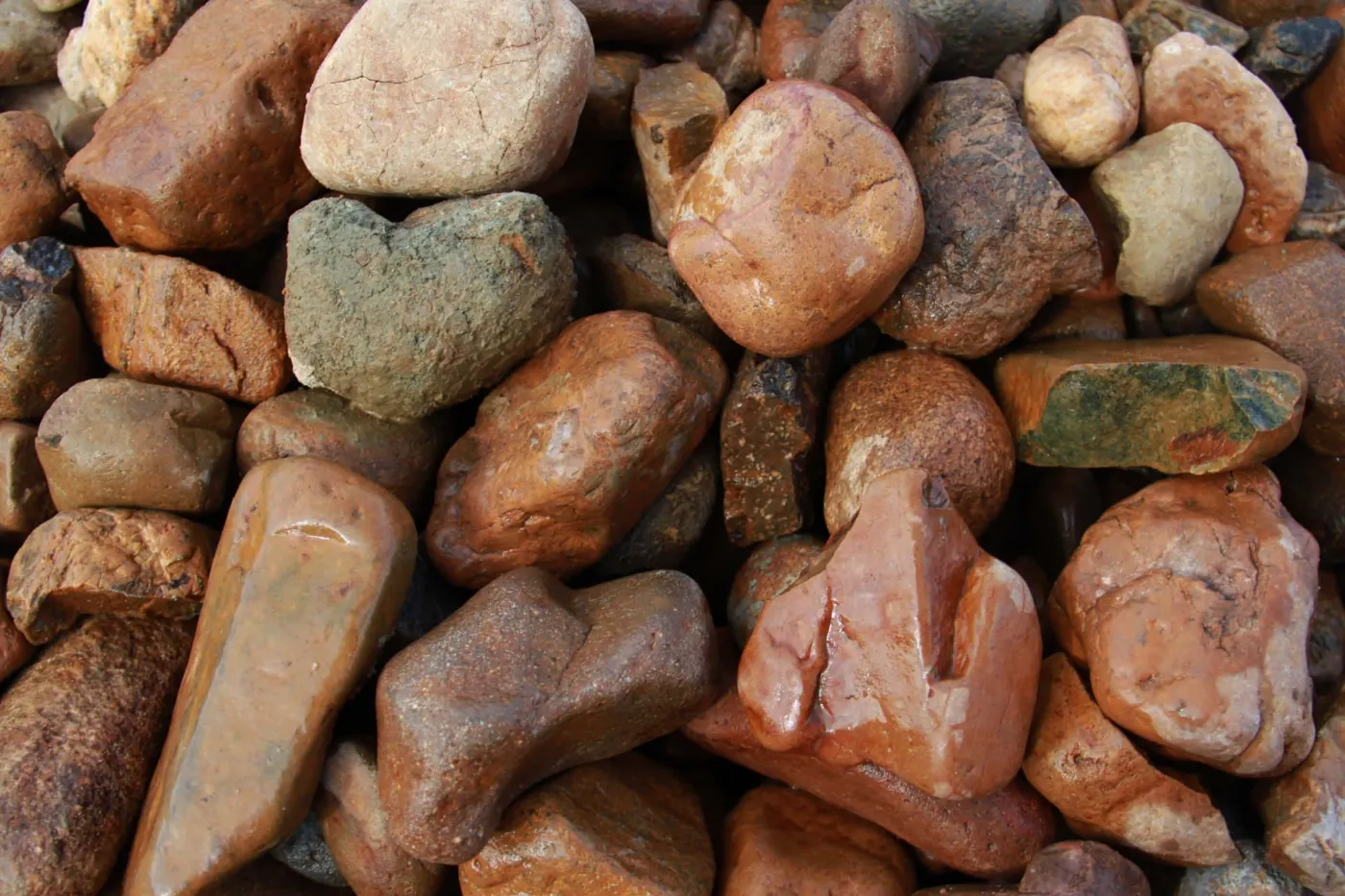 40–80mm River Stone
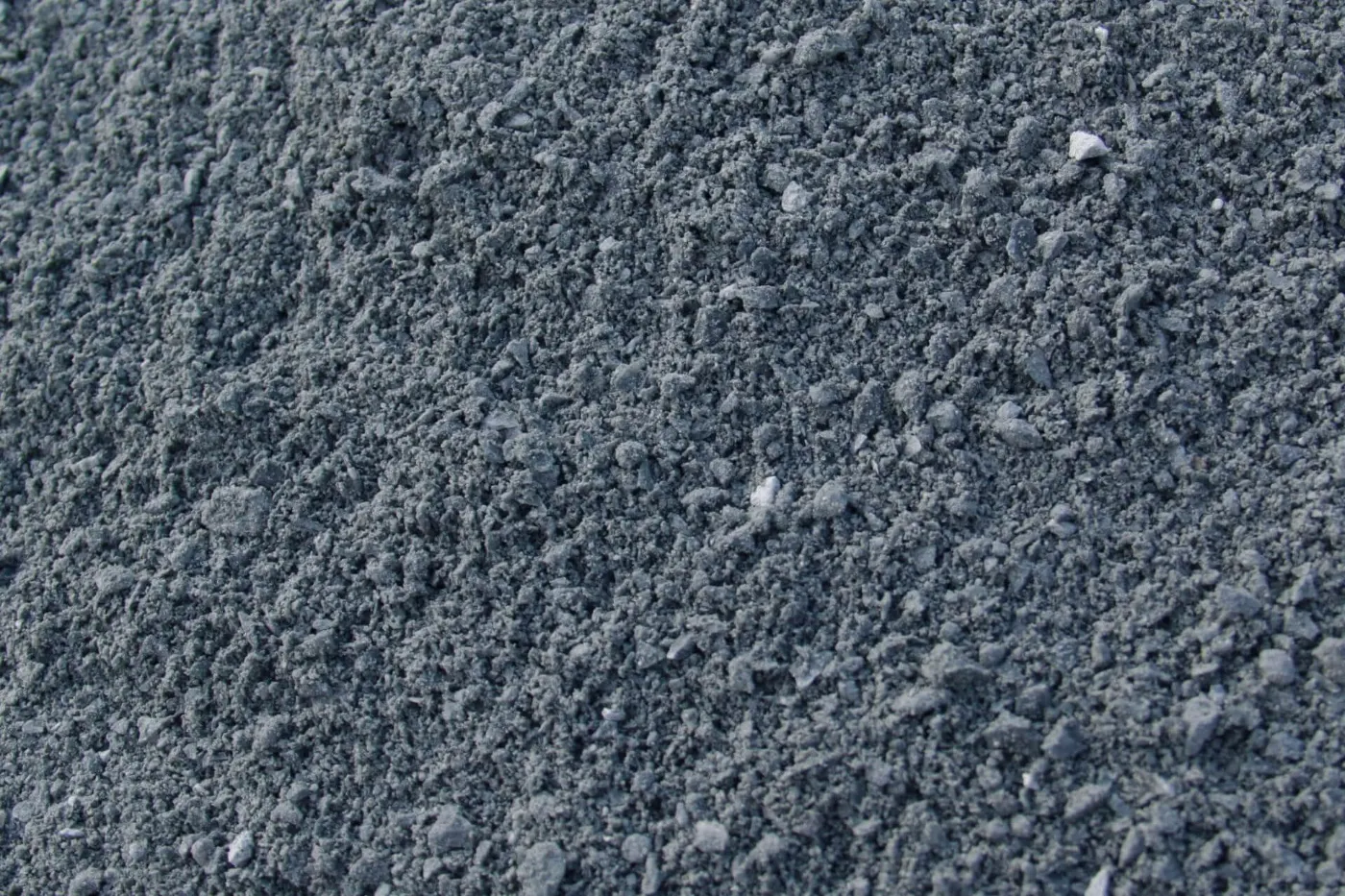 Blue Metal Crusher Dust
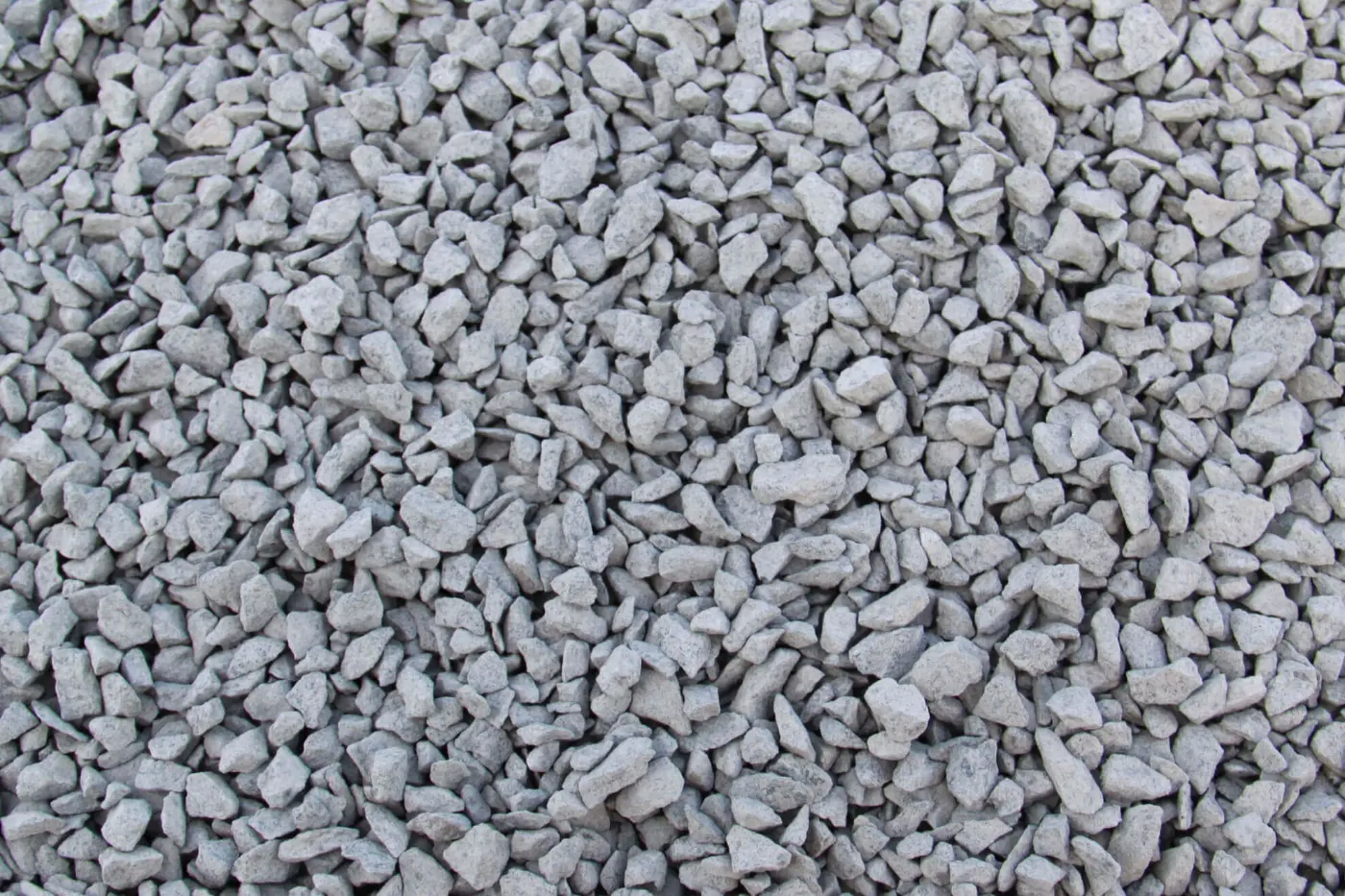 5mm Blue Metal
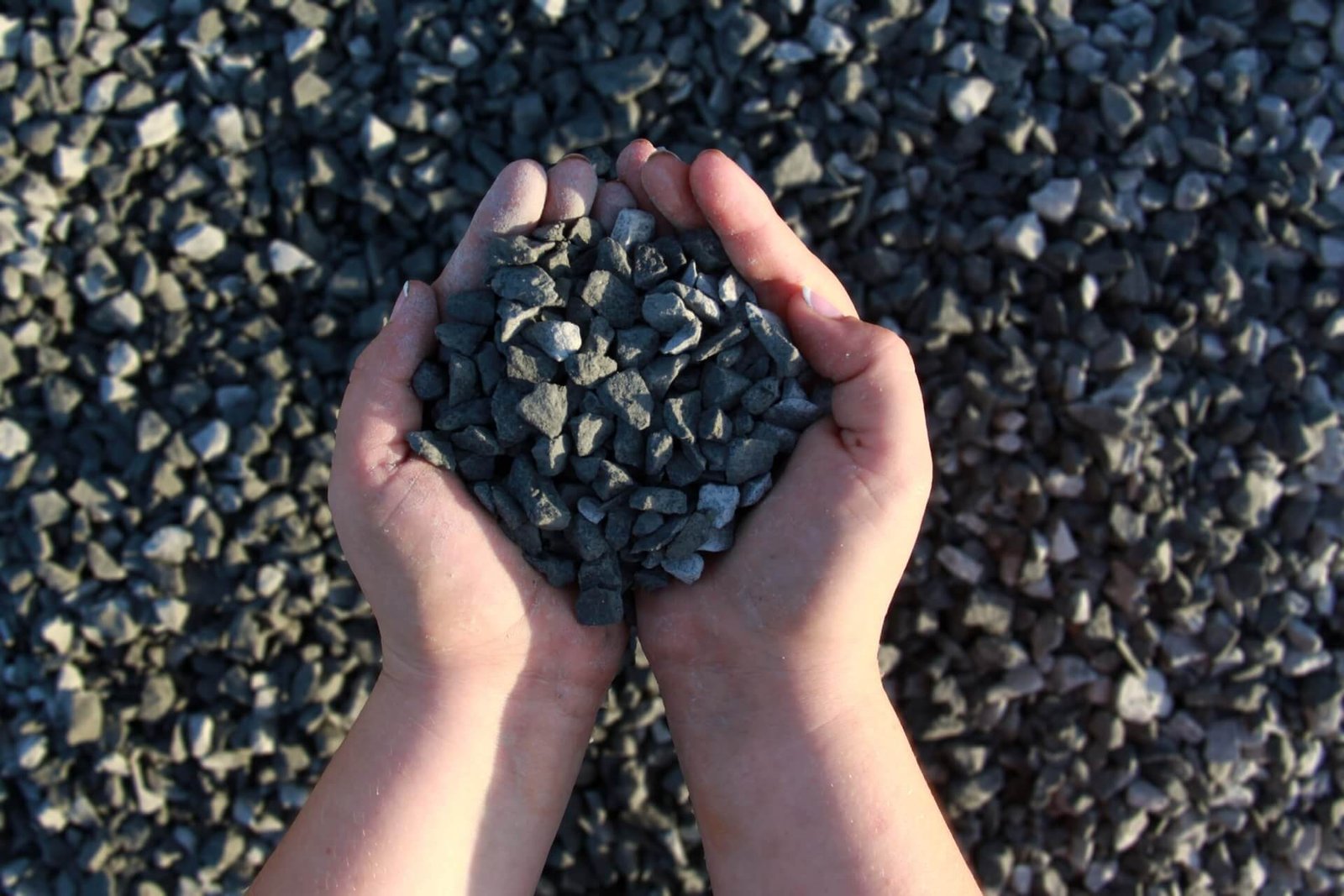 10mm Blue Metal
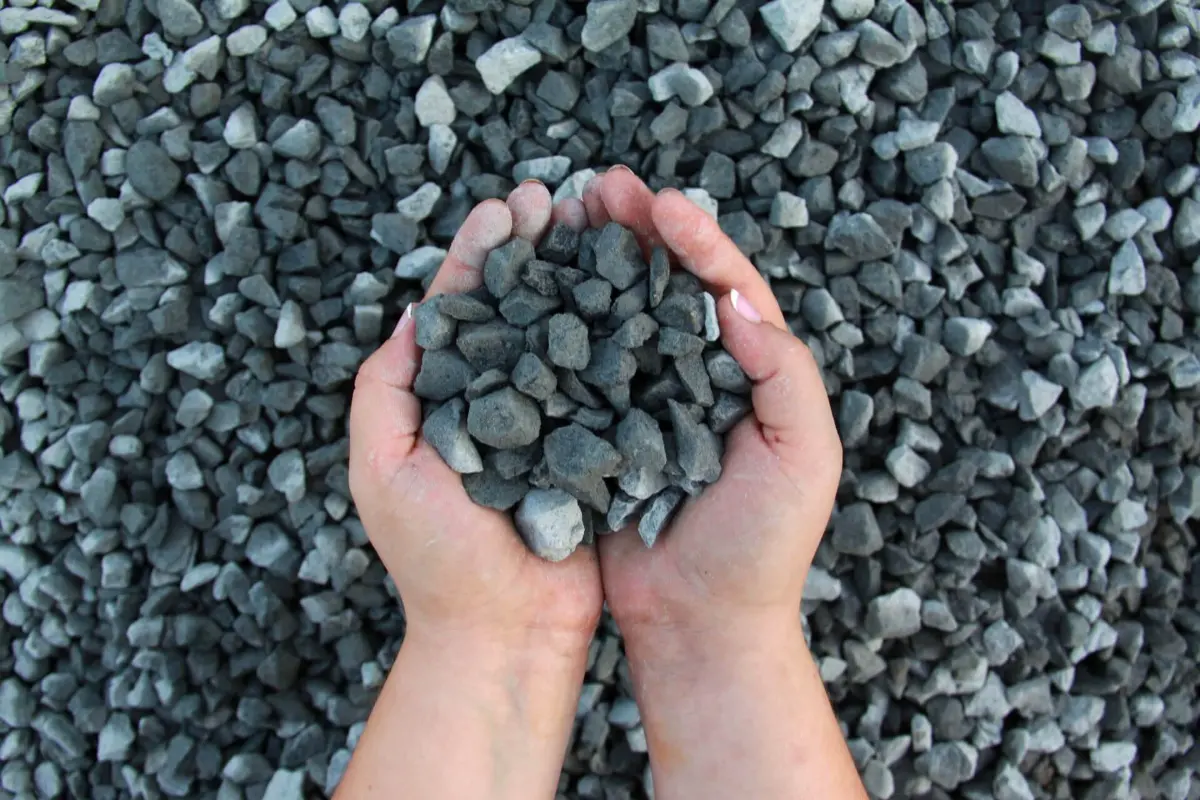 20mm Blue Metal
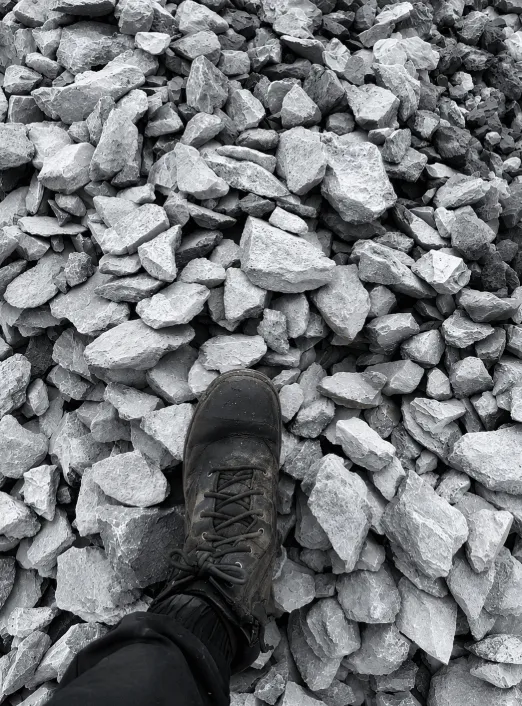 25–75mm Blue Rock
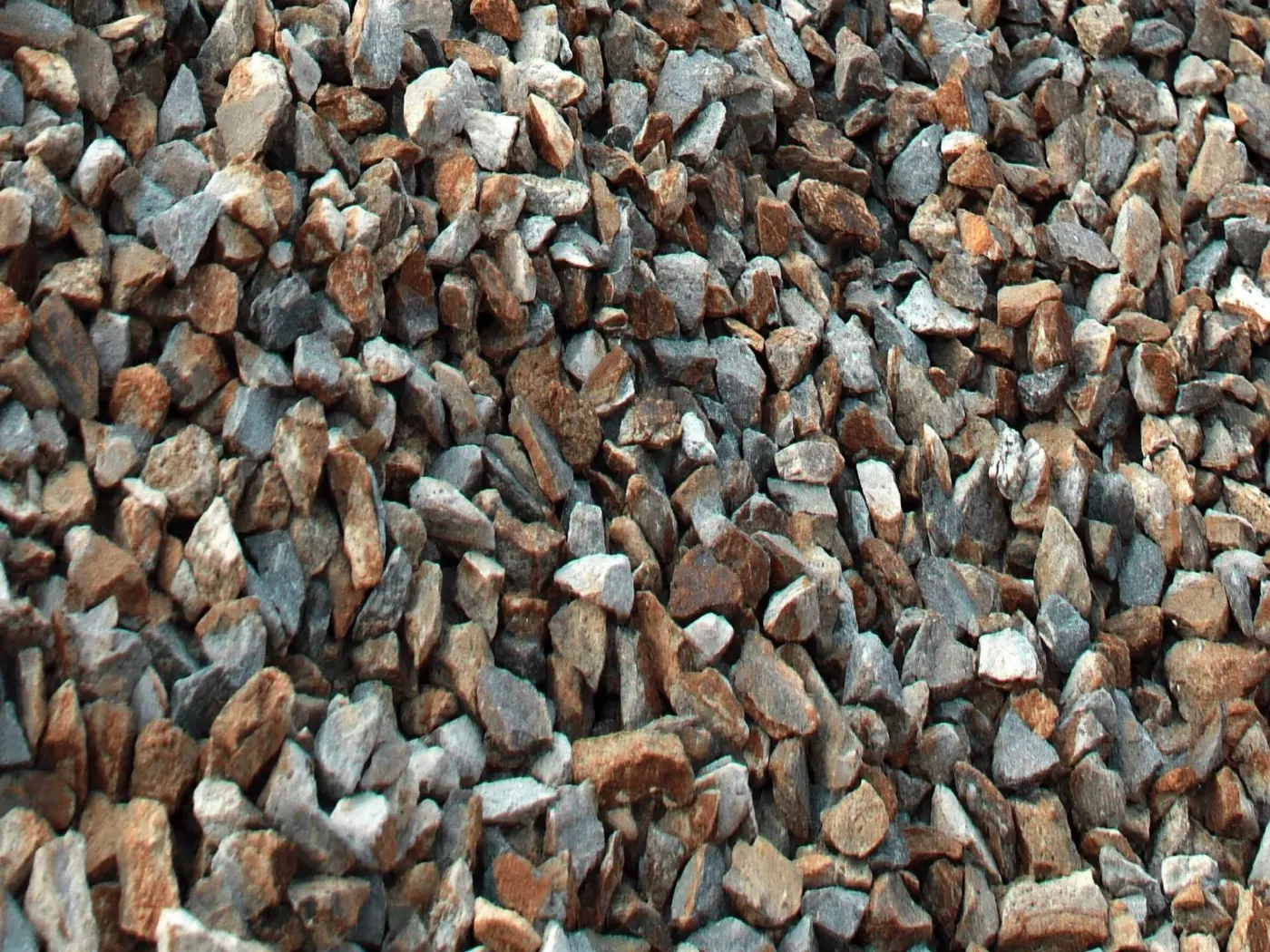 Multicolour Rock
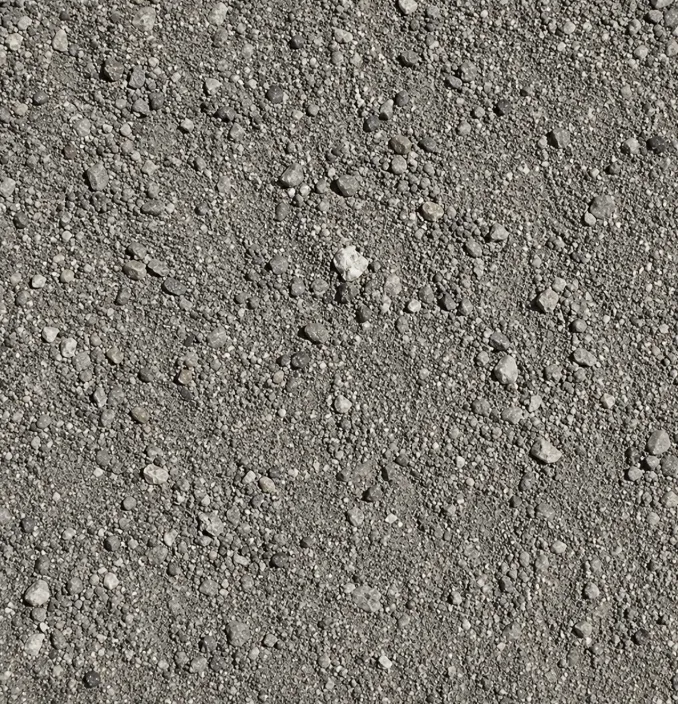 Recycled Concrete Crusher Dust
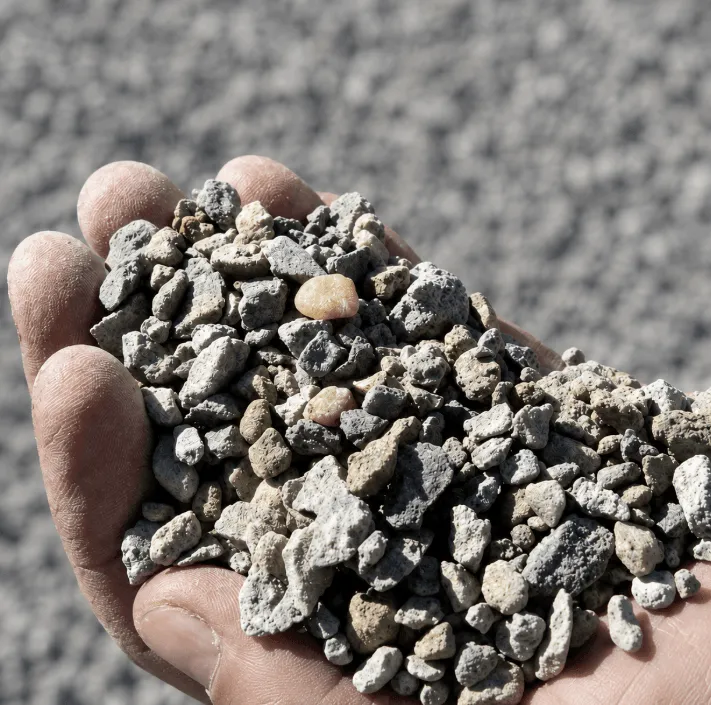 5mm Recycled Concrete
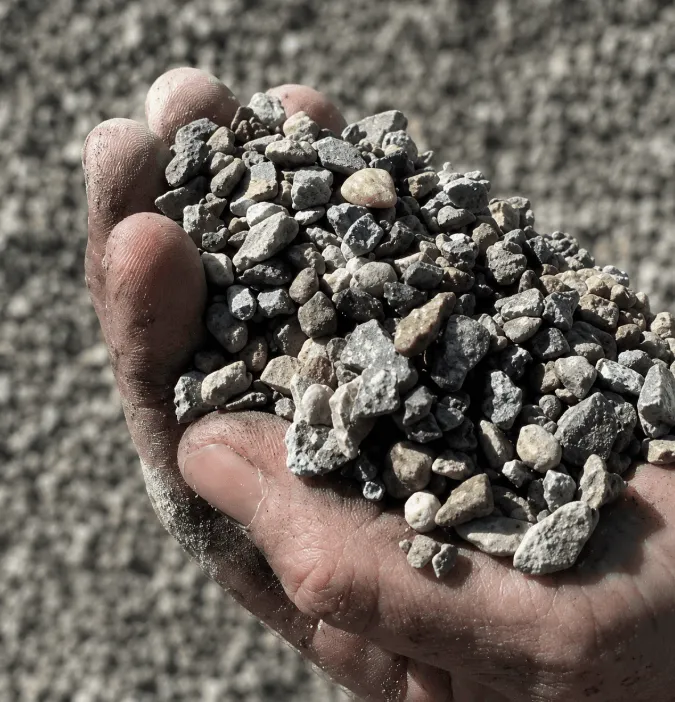 10mm Recycled Concrete
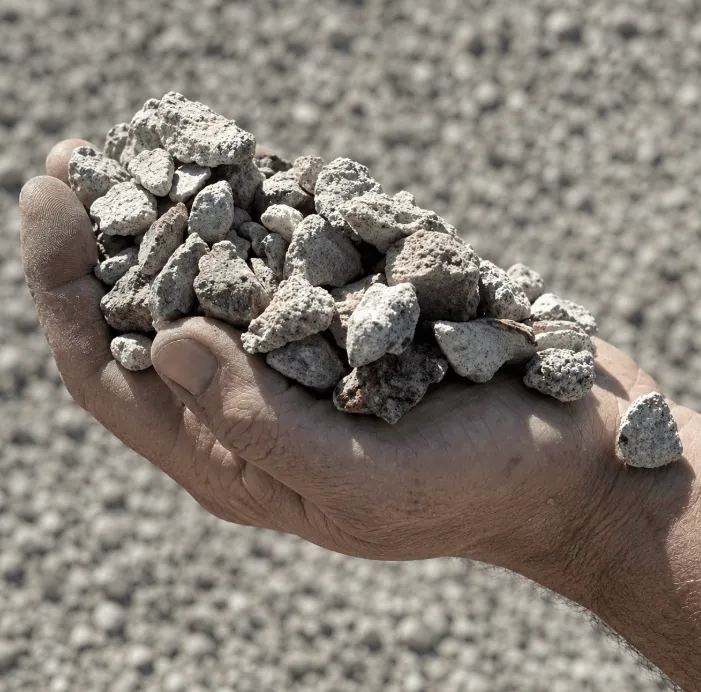 20mm Recycled Concrete
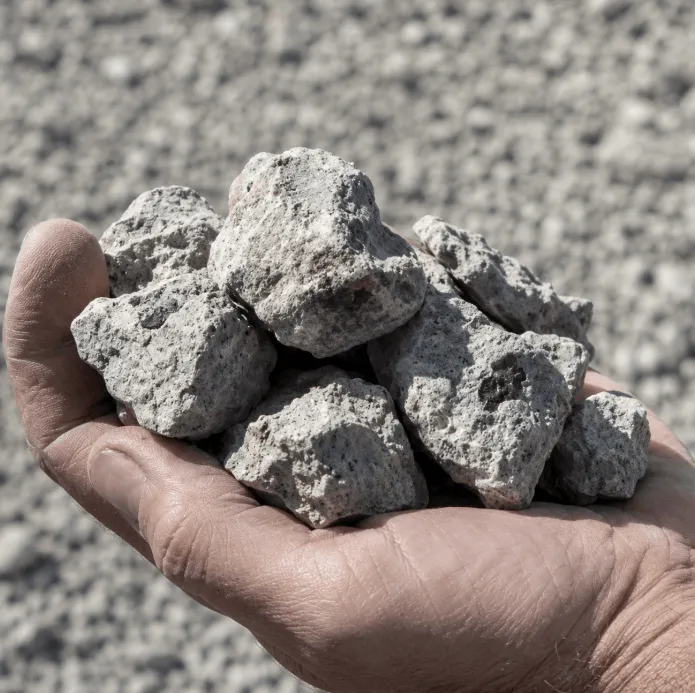 40–70mm Recycled Concrete
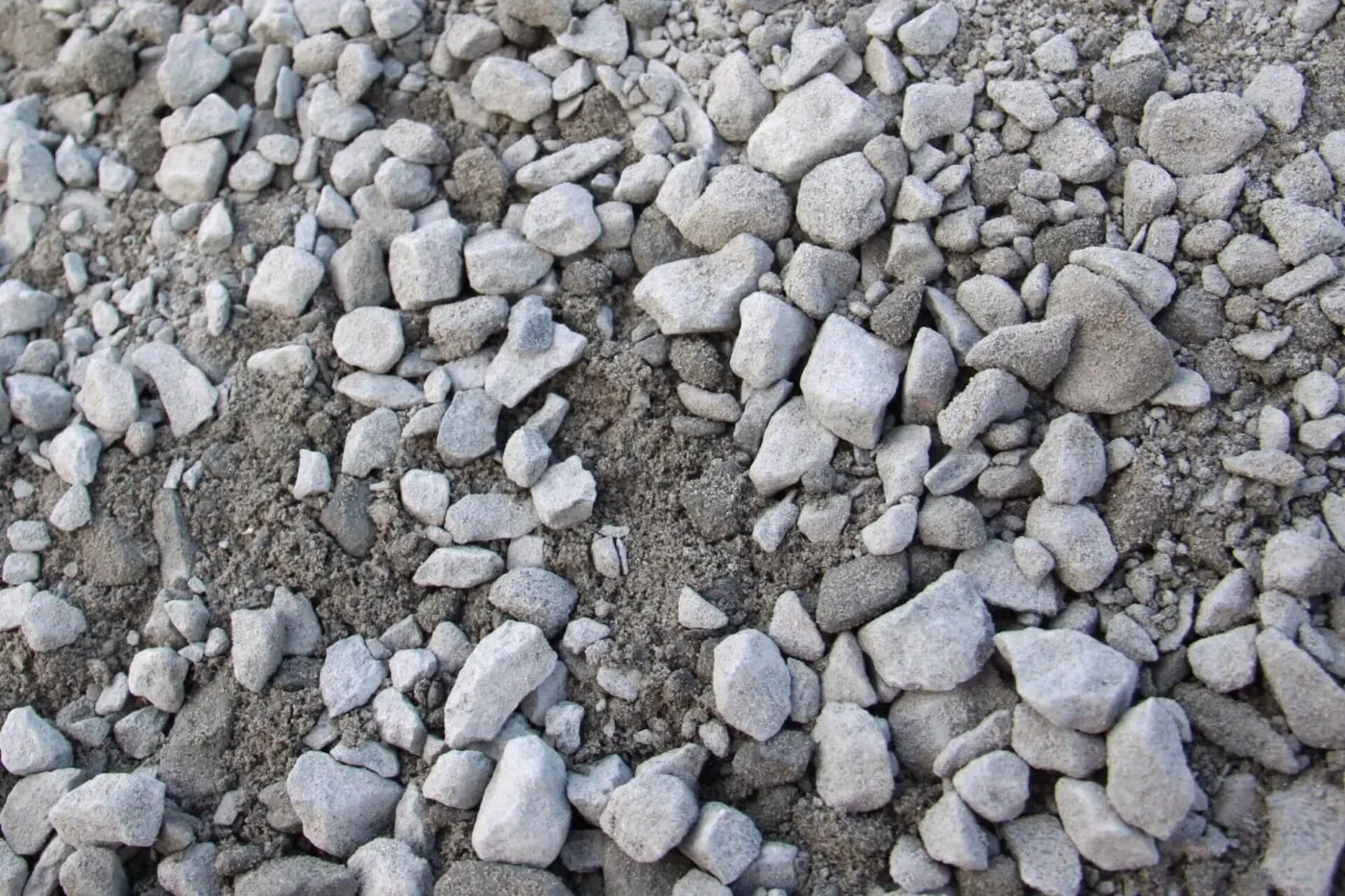 Concrete Blend
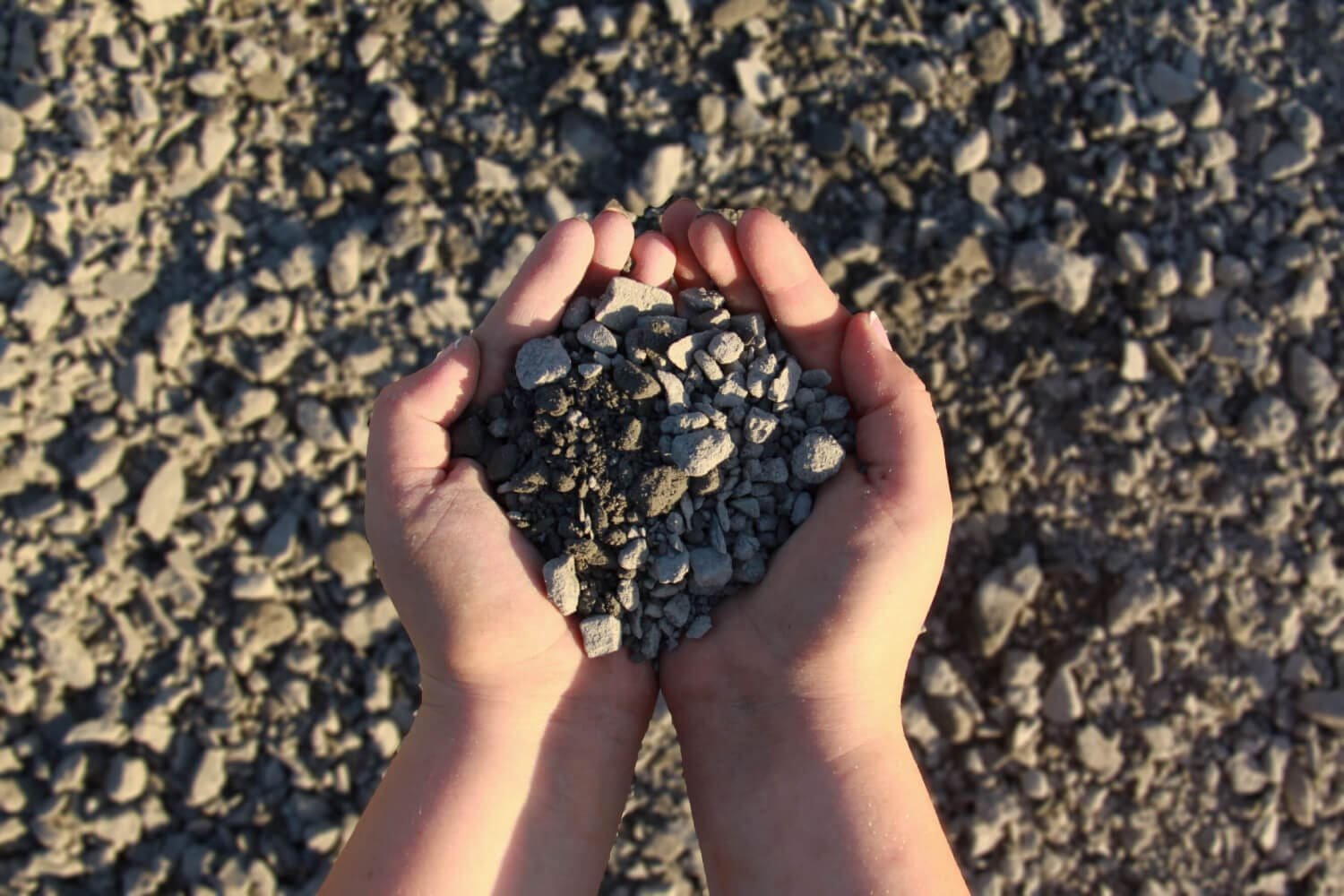 Road Base 2.1 – CBR80
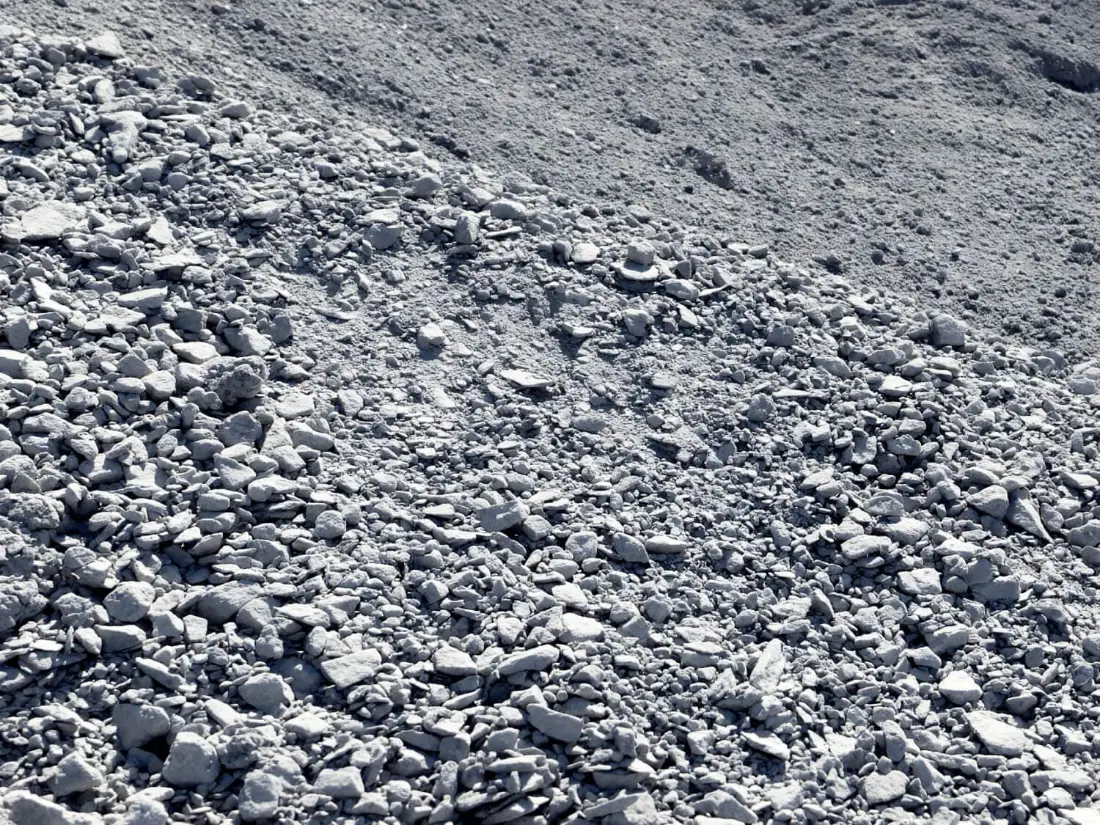 Road Base 2.3 – CBR45
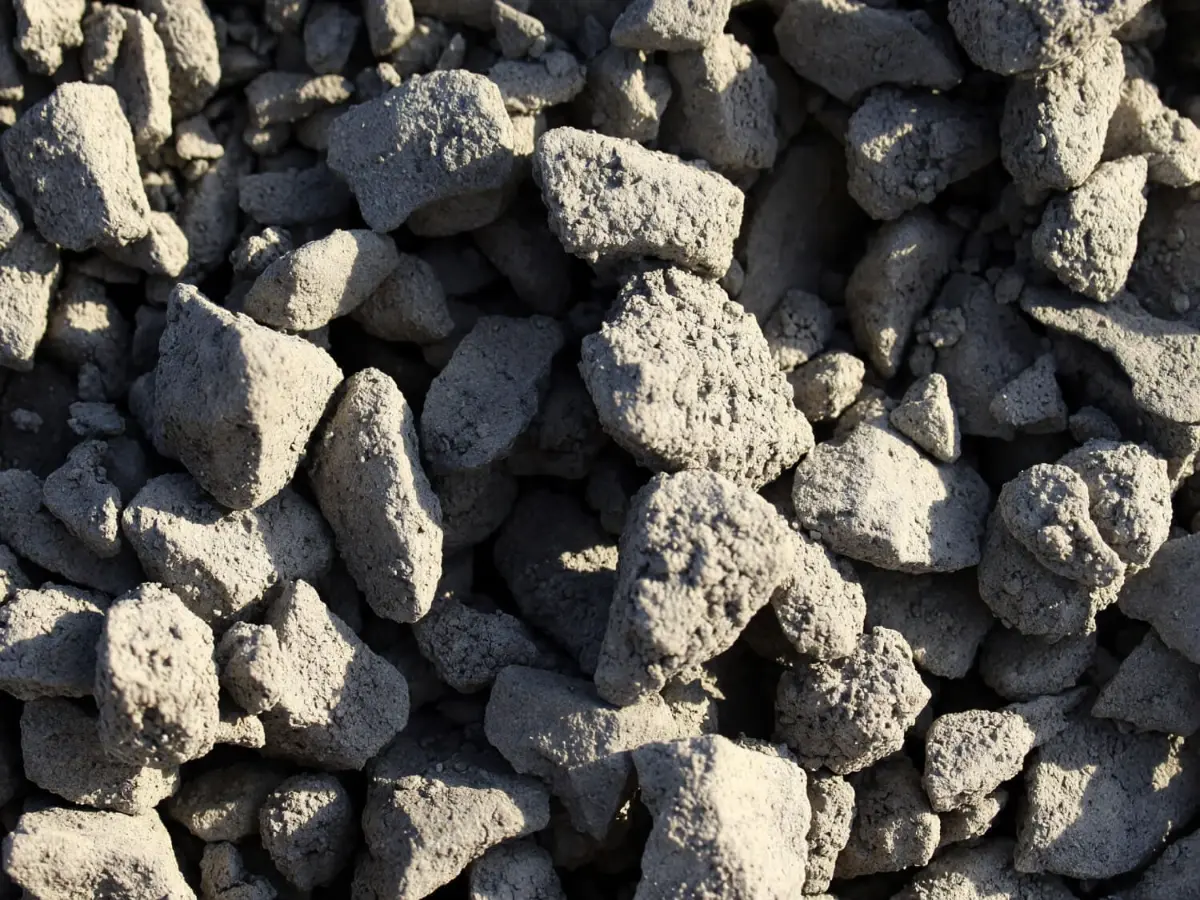 Road Base 2.5 – CBR15
By the Bulk Landscape Supplies Brisbane team · Last reviewed 1 October 2026
What road base is
Our road base is crushed blue rock (blue metal) and fines in a 40mm blend. The fines fill the gaps between the stone so it compacts into a firm, consistent layer.
What CBR means
CBR stands for California Bearing Ratio — a test of how much load a compacted material can carry. In Queensland, unbound pavement materials are specified under Transport and Main Roads technical standards. The higher the number, the stronger the base.
The three grades
| Type 2.1 – CBR 80 | Highest grade. Driveways and heavy-traffic areas where a compaction standard is required. |
|---|---|
| Type 2.3 – CBR 45 | Mid grade. Driveways, paths and slab preparation. |
| Type 2.5 – CBR 15 | Economical sub-base and fill for access tracks and site work. |
Compaction matters
Road base needs moisture and machine compaction for best results. Lay it in layers, dampen each one (see preparing a base for pavers) and compact with a plate compactor or roller before adding the next.
A cheaper alternative
For access roads, driveways and paving sub-base, recycled concrete is a cheaper option (compare it with blue metal) that still makes a firm base. Where an engineer has specified a grade, use that grade.
What CBR means
CBR stands for California Bearing Ratio. It is a standard test of how well a compacted material resists load, so a higher CBR means a stronger base. That is why 2.1 (CBR80) suits heavily loaded areas, 2.3 (CBR45) suits most home driveways and paths, and 2.5 (CBR15) is a lower grade for light-duty fill and general levelling.
Laying and compacting road base
- Strip topsoil and soft ground until you reach firm subgrade.
- Spread the road base in layers of about 100–150mm.
- Dampen each layer. Road base compacts best when it is moist, not dry and not soaking.
- Compact each layer with a plate compactor or roller before adding the next.
- Shape the surface with a slight crossfall so water runs off.
Drainage and edges
Water is what breaks down most driveways and pads. Make sure the finished surface sheds water to the sides, and keep the edges firm with kerbing, timber edging or a compacted shoulder. Where water pools against a slab or path, a strip of drainage aggregate helps carry it away.
How much to order
Work out the area and the finished depth, then add around 15–20% for compaction. Our volume calculator gives the cubic metres, and we can confirm the grade and quantity when you request a quote. For engineered slabs or commercial pavements, always follow the specification.
Ready to order? Work out the quantity and get a price.
Get a quote