
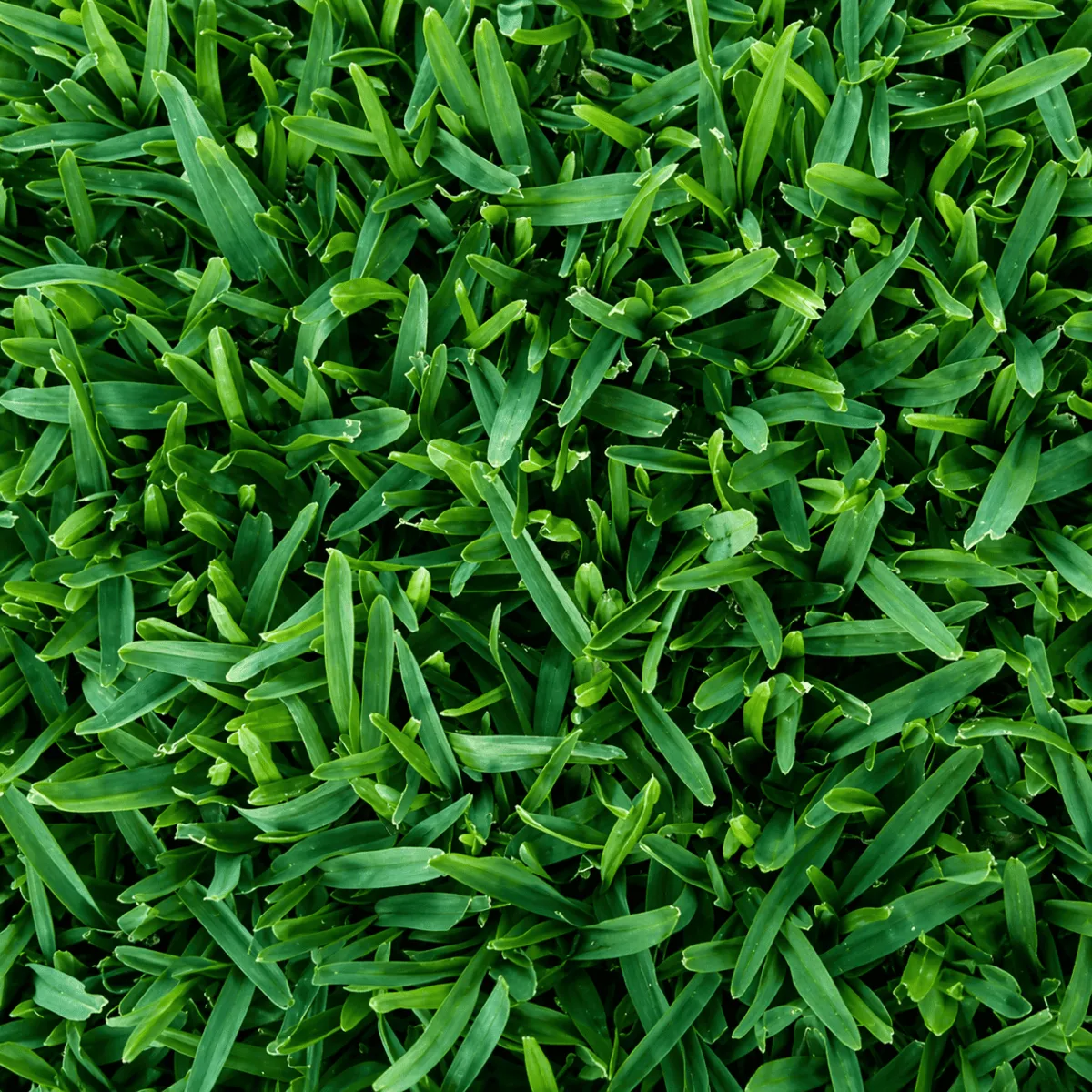
 Sir Walter Buffalo
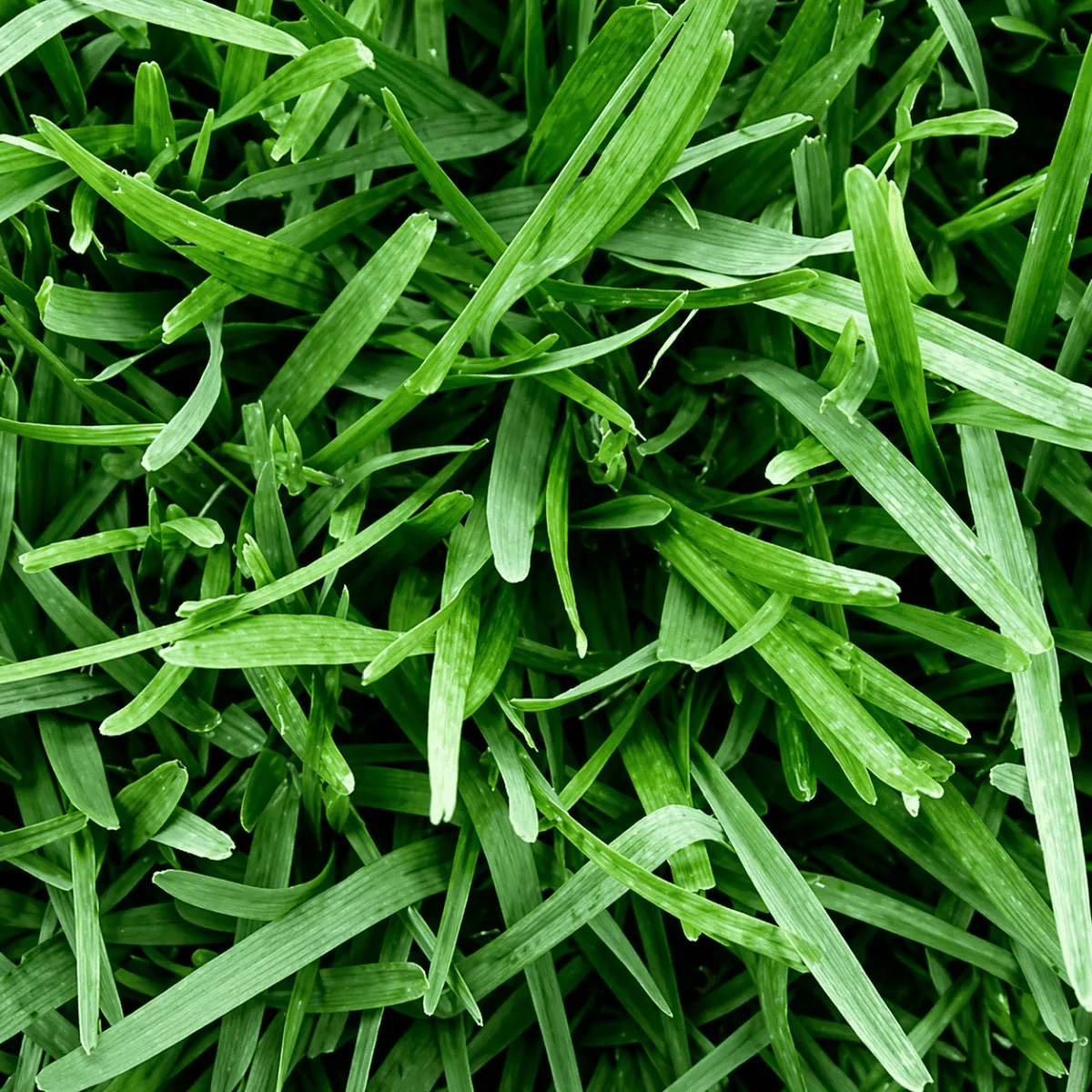 Soft Buffalo
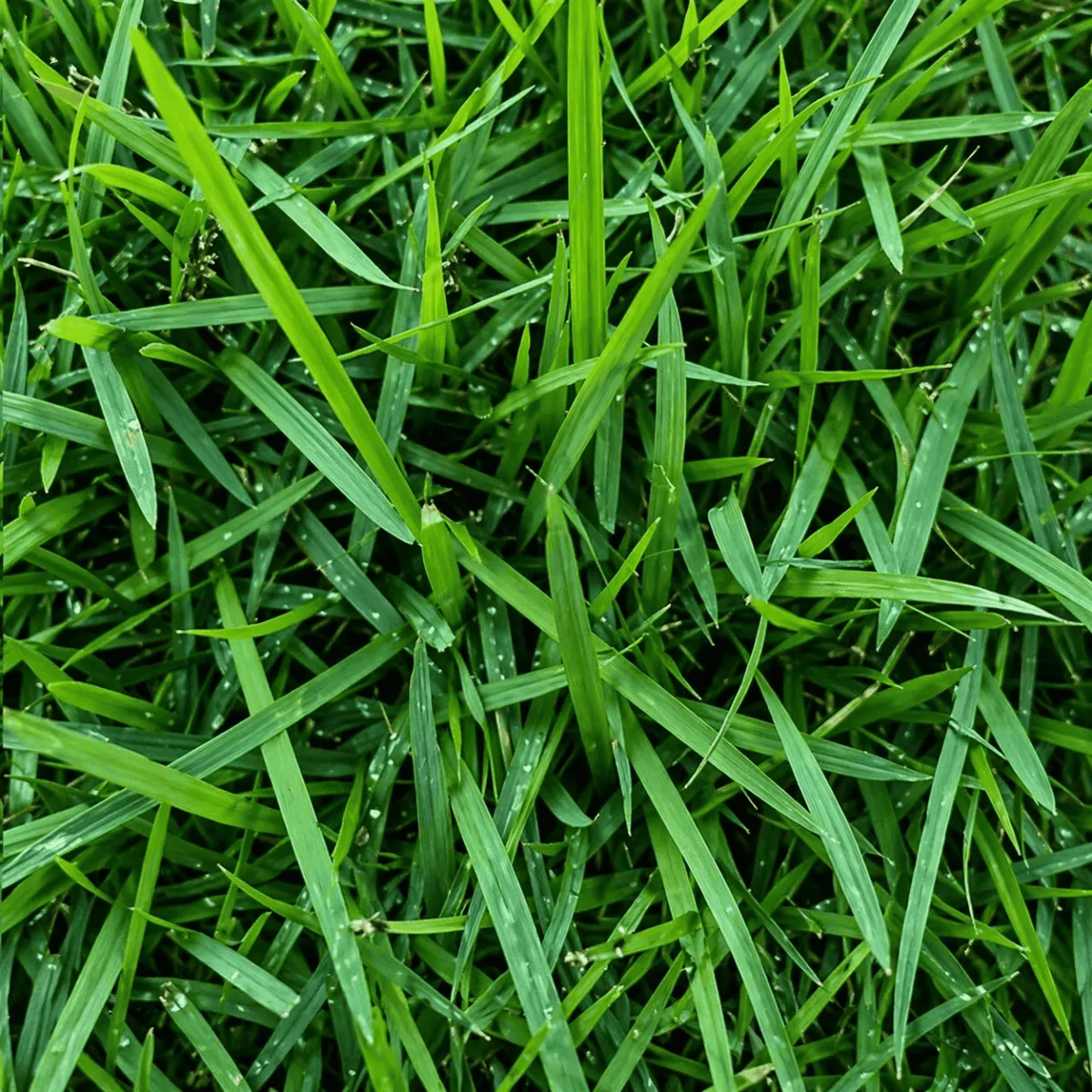 Wintergreen
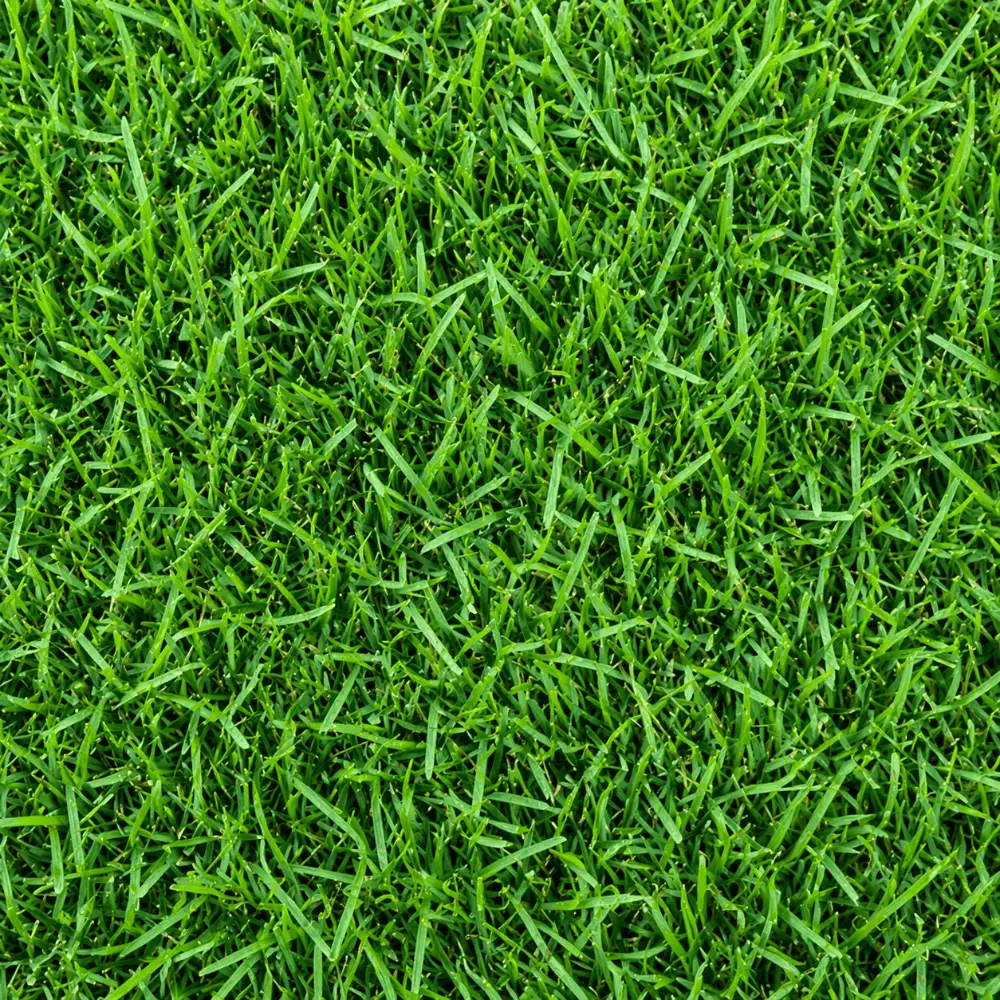 Zoysia
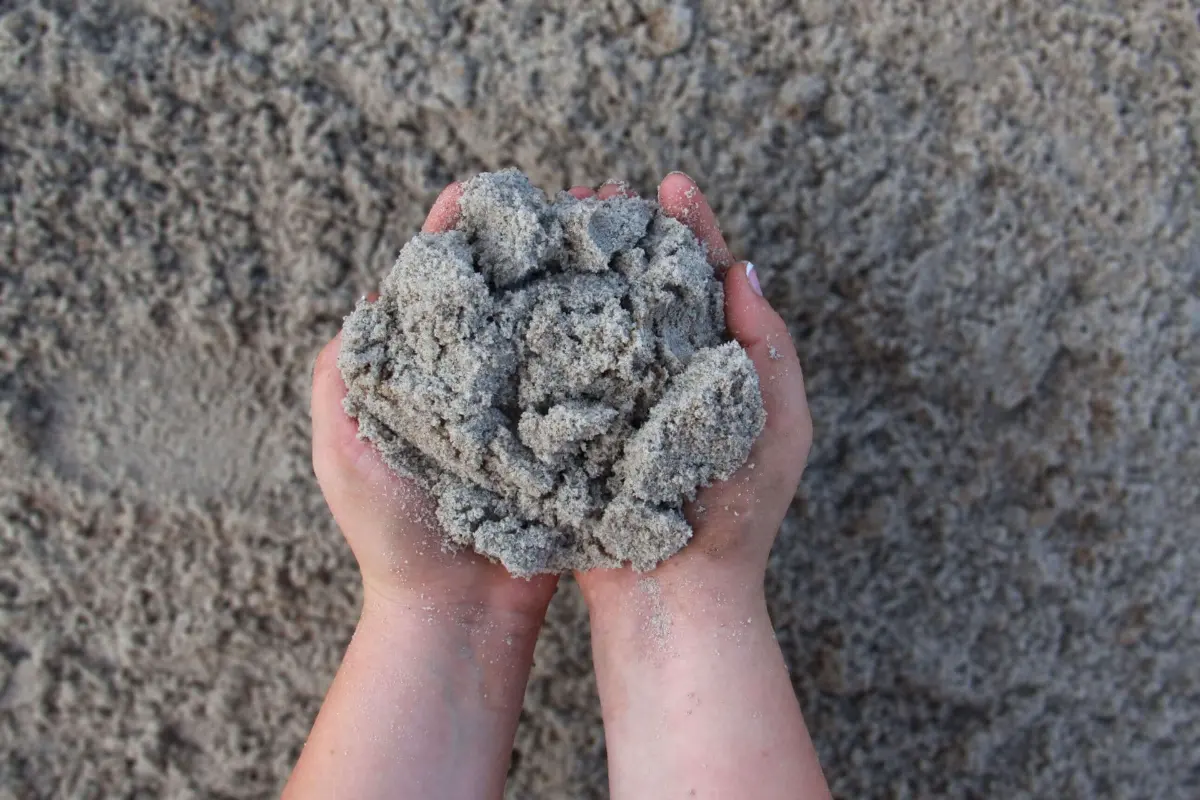 Fertilised Top Dress
 USGA Top Dress Sand
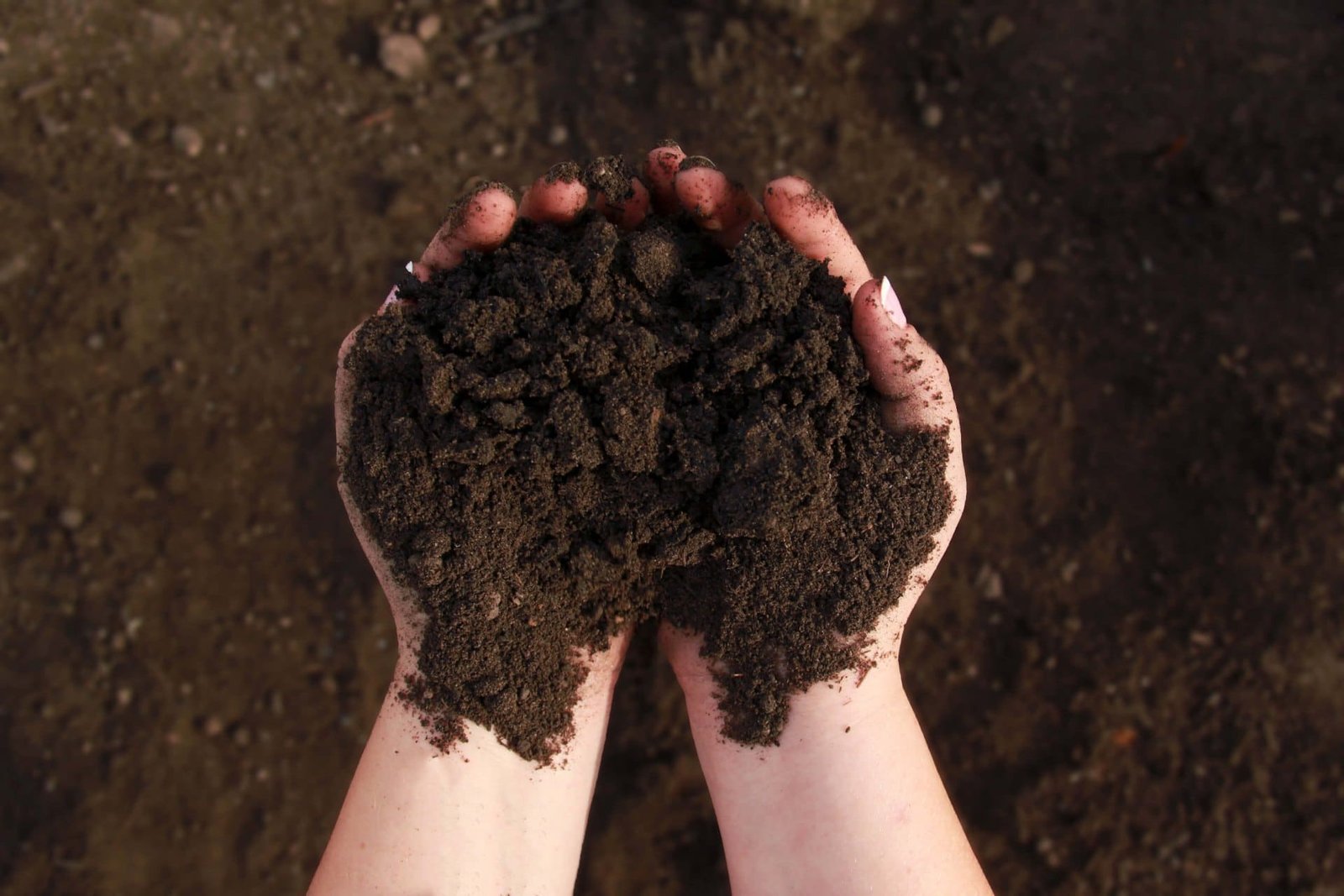 Under Turf Soil
 Premium Under Turf Soil
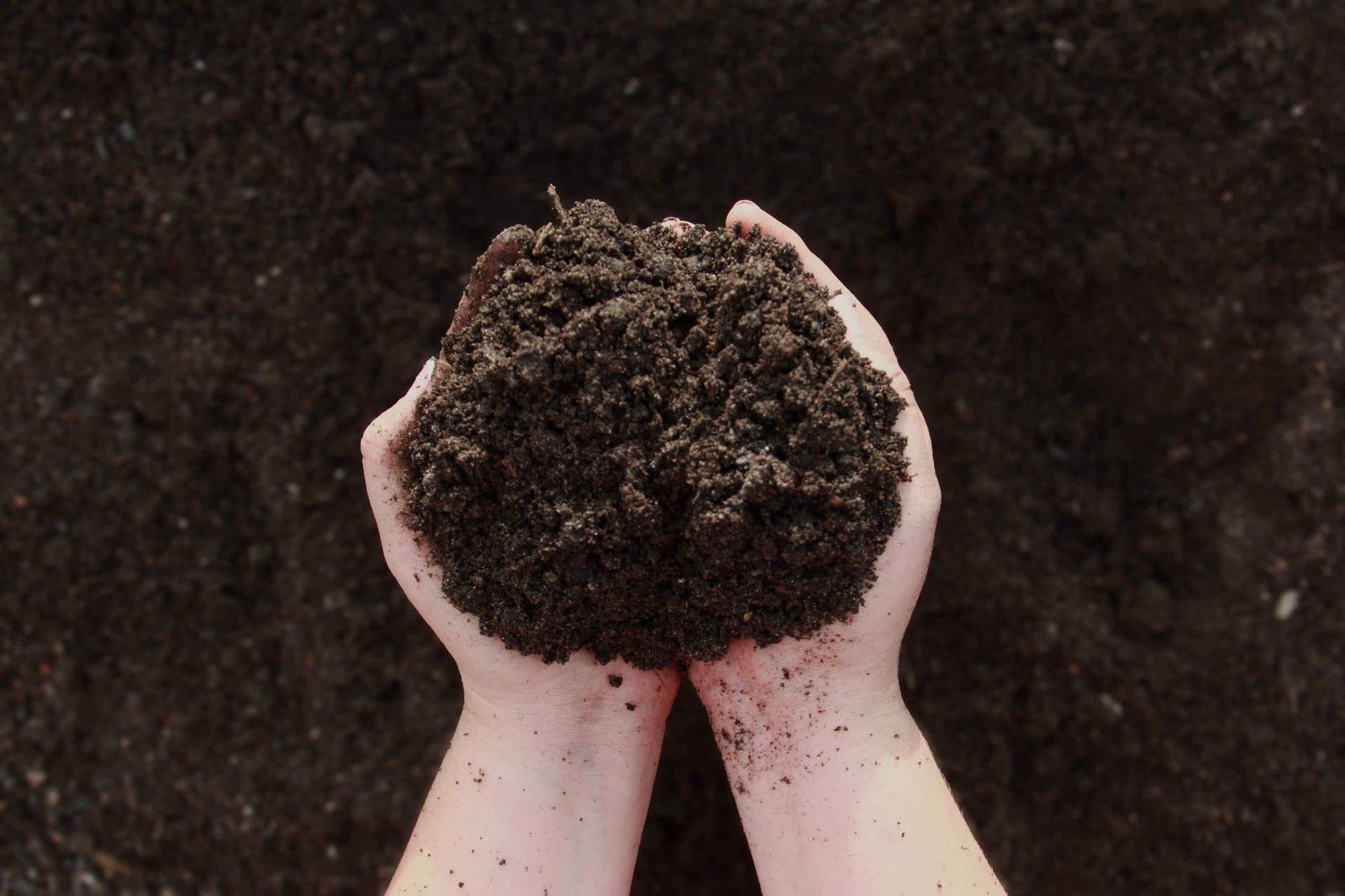 Veggie Mix Organic Garden Soil
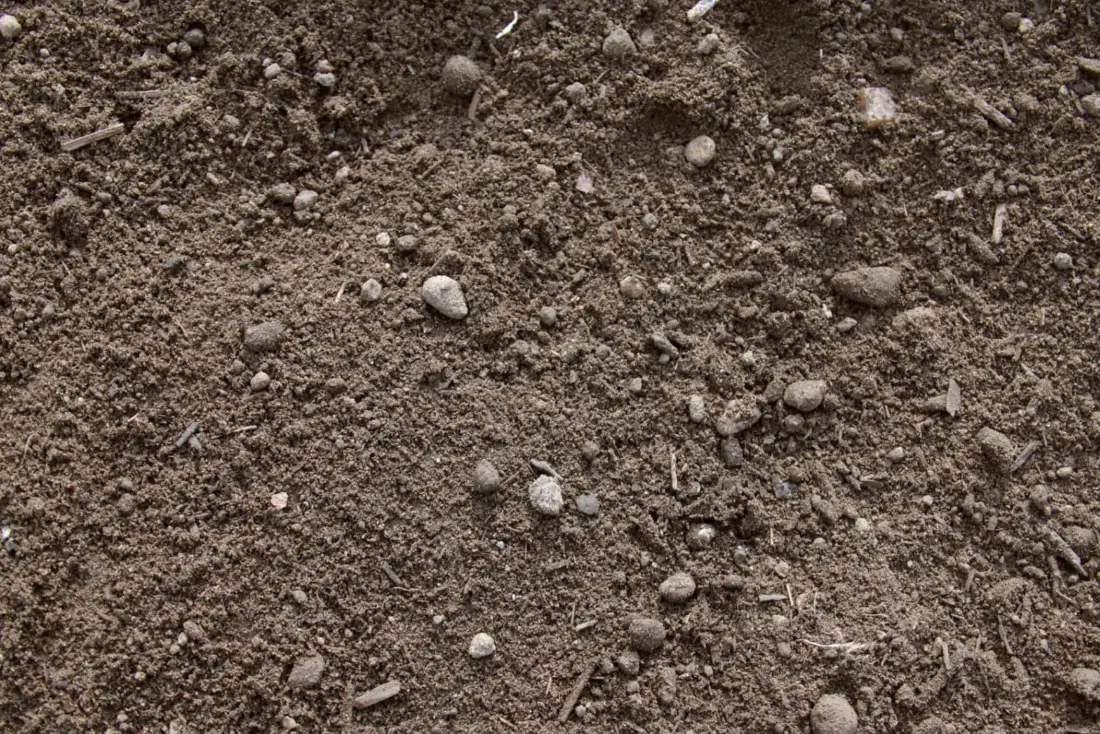 Ultra Premium Veggie Mix
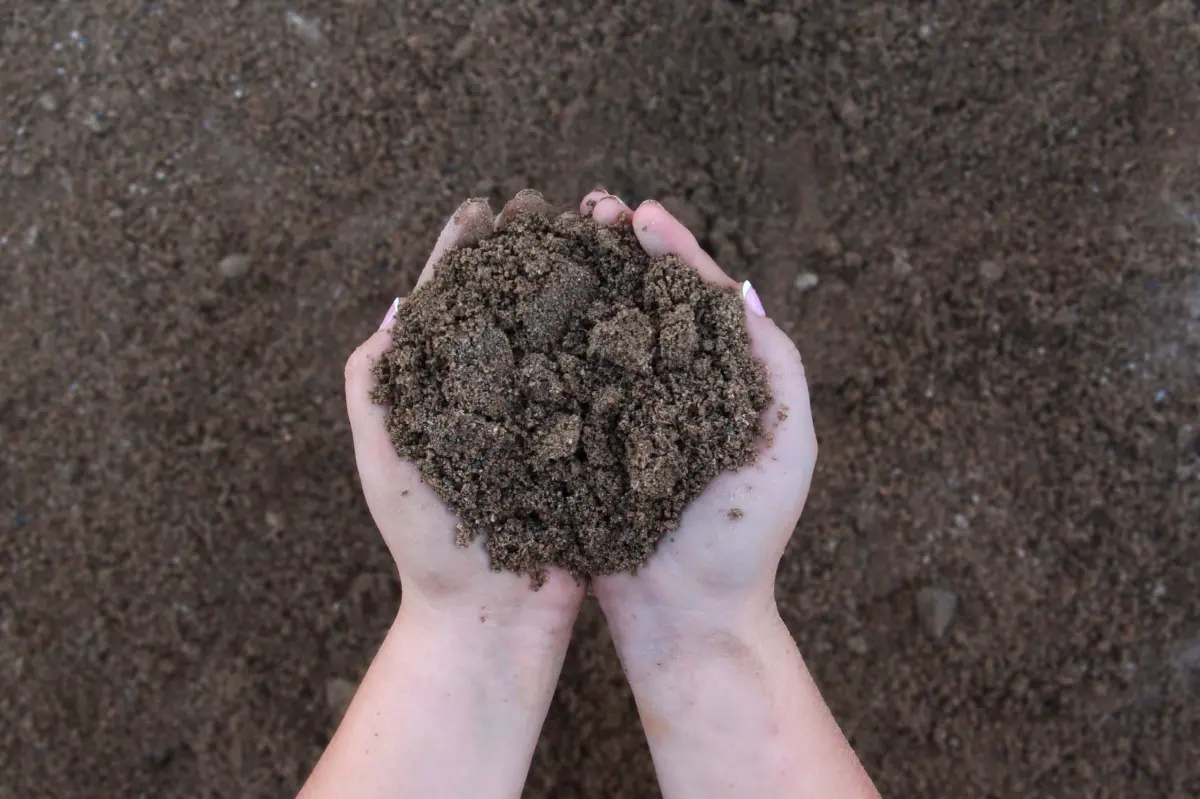 Premium Garden Soil
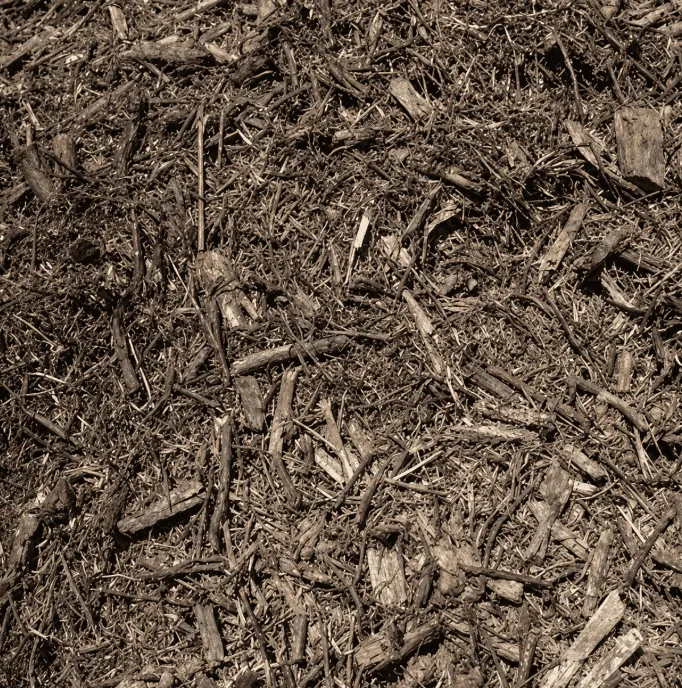 Tea Tree Mulch
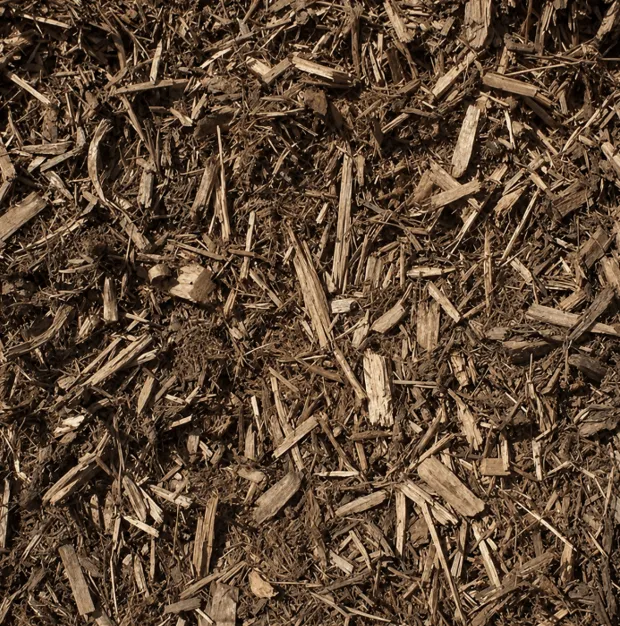 Cypress Mulch
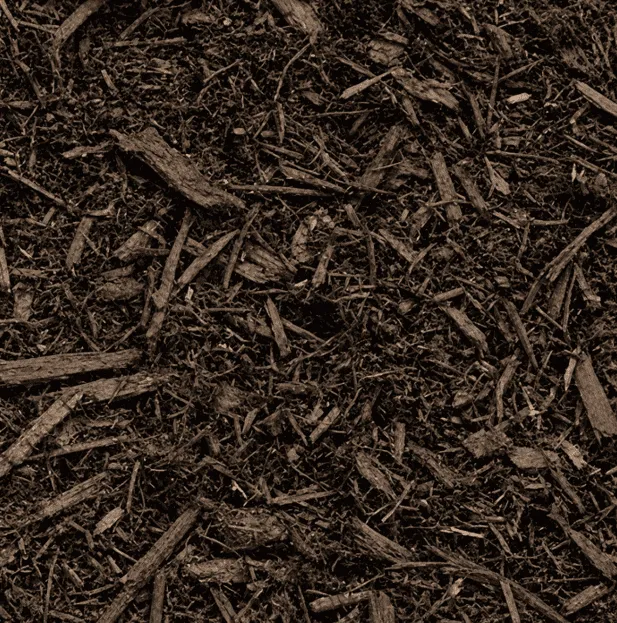 Forest Mulch
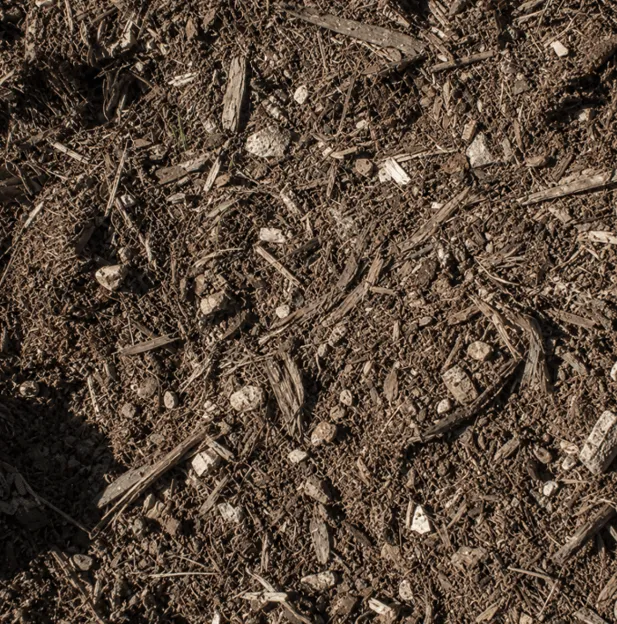 Forest Mulch Double Grind
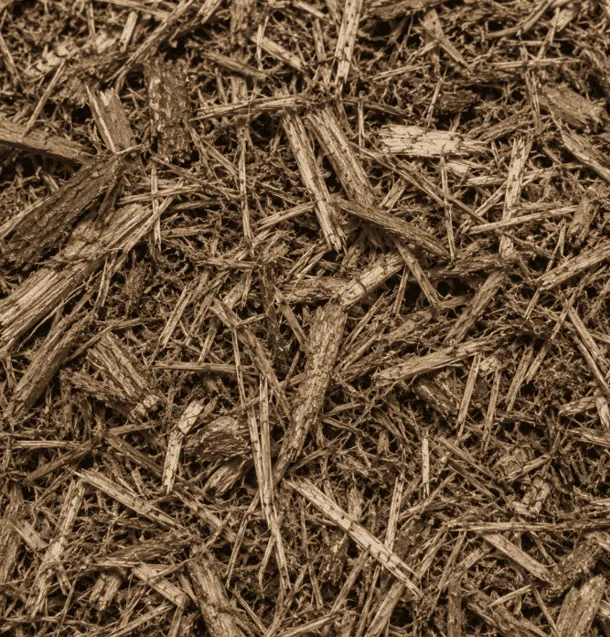 Tub Grind Mulch Coarse
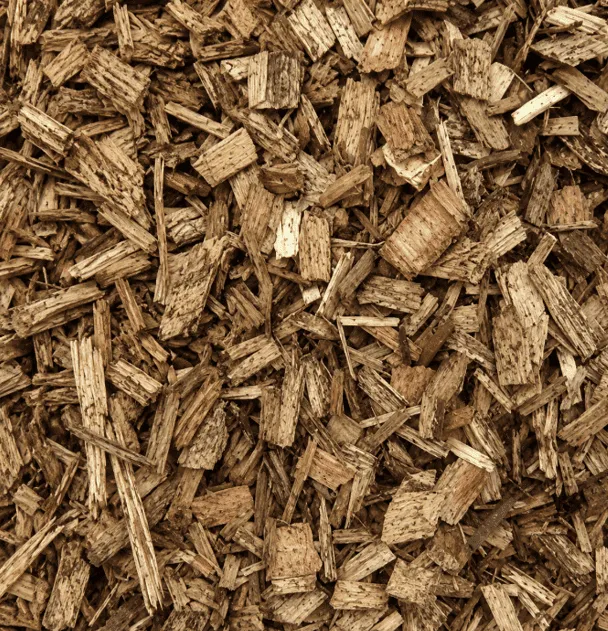 Hardwood Chip
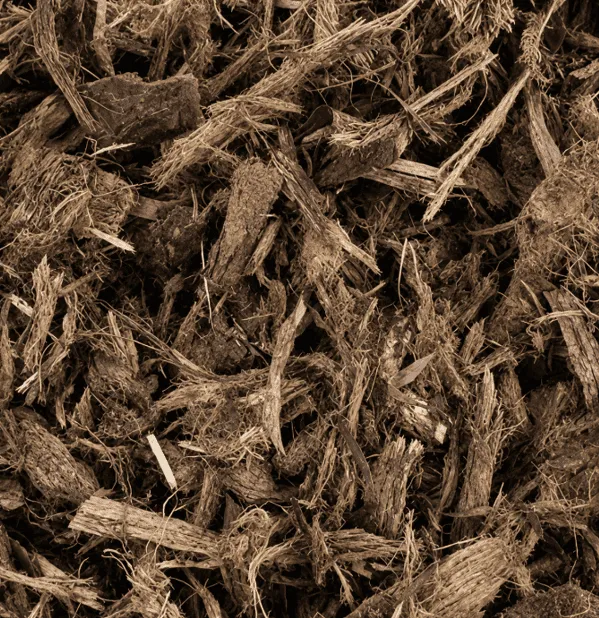 Hoop Bark 1–2 Inch
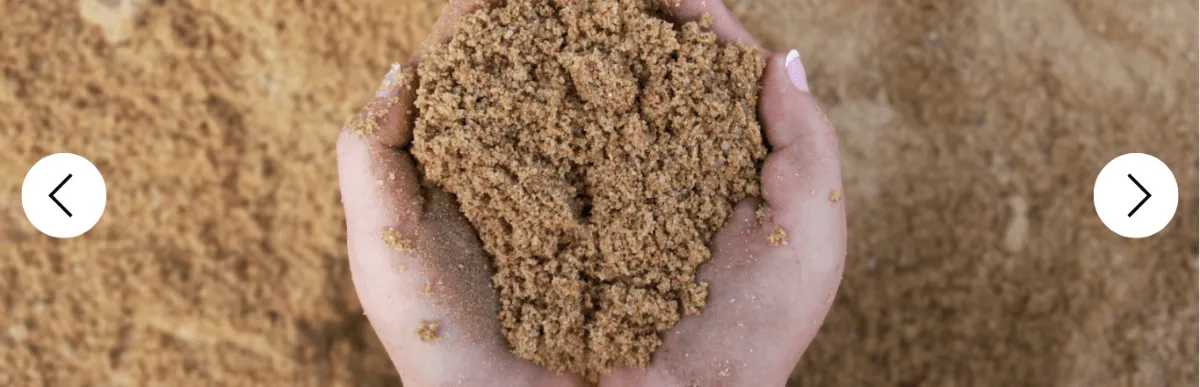 AES Sand
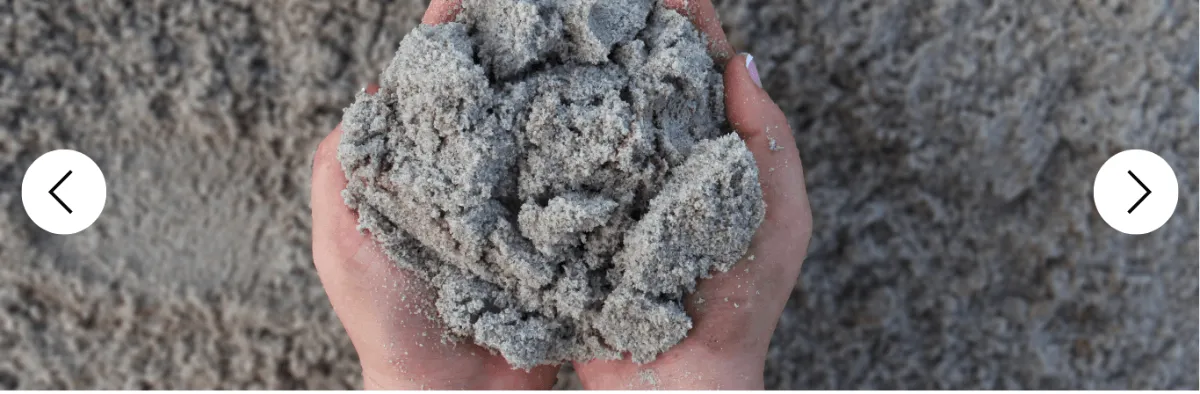 Bedding Sand
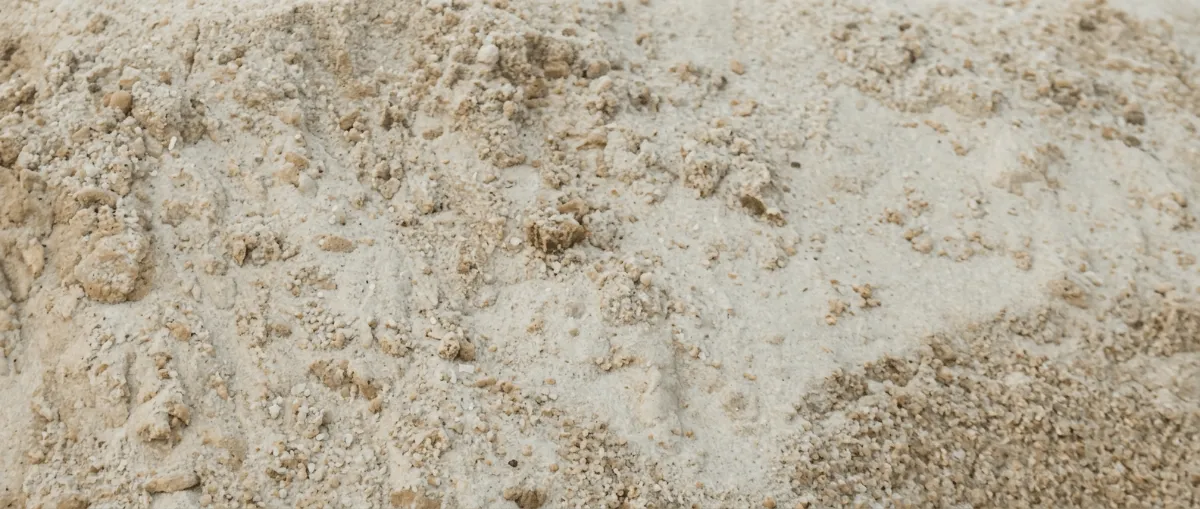 Bio Media Sand
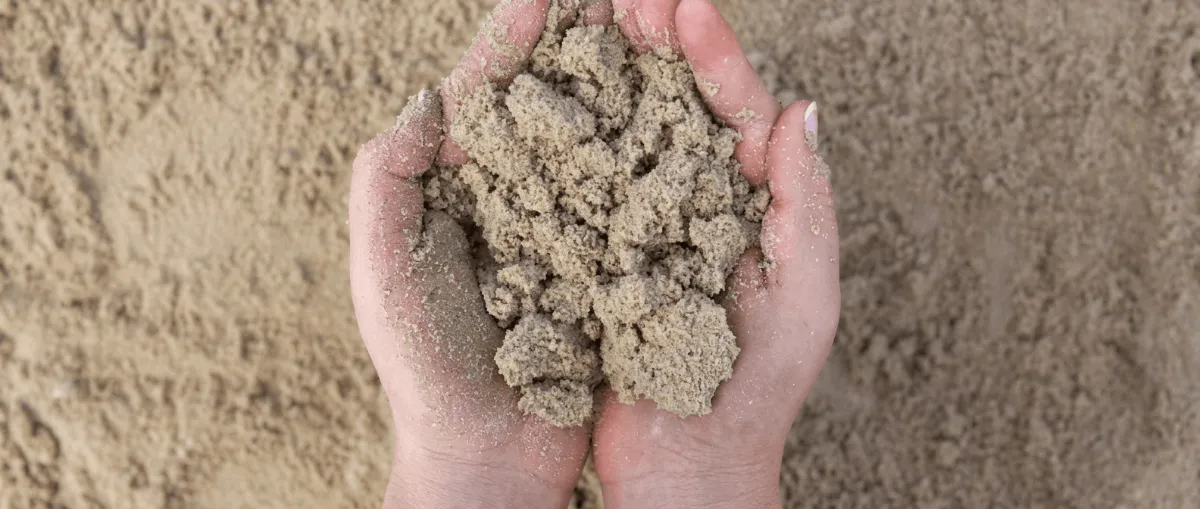 Brickies Loam
 Coarse Sand
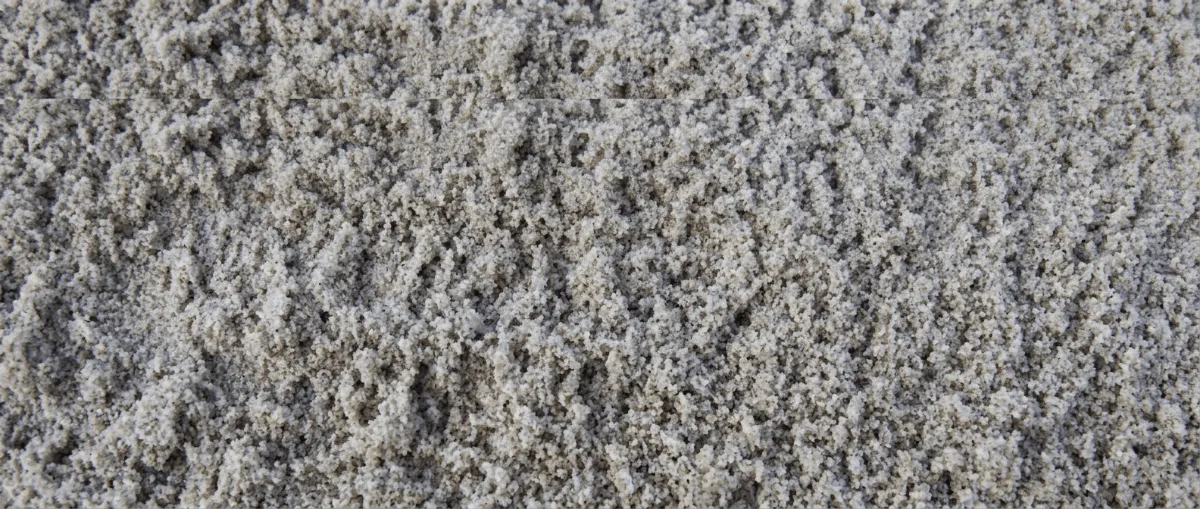 Electrical Sand
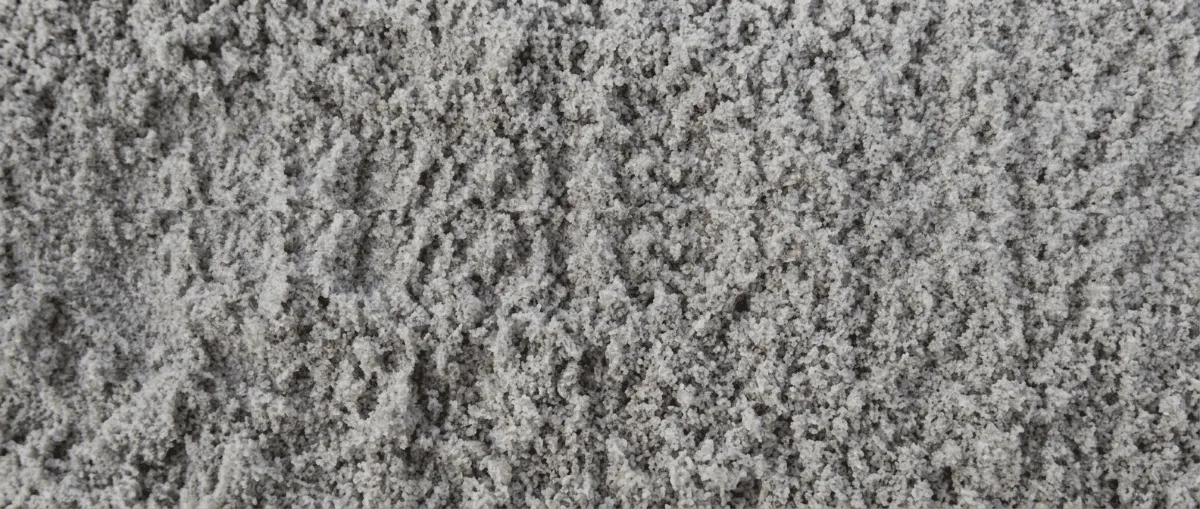 USGA Top Dress Sand
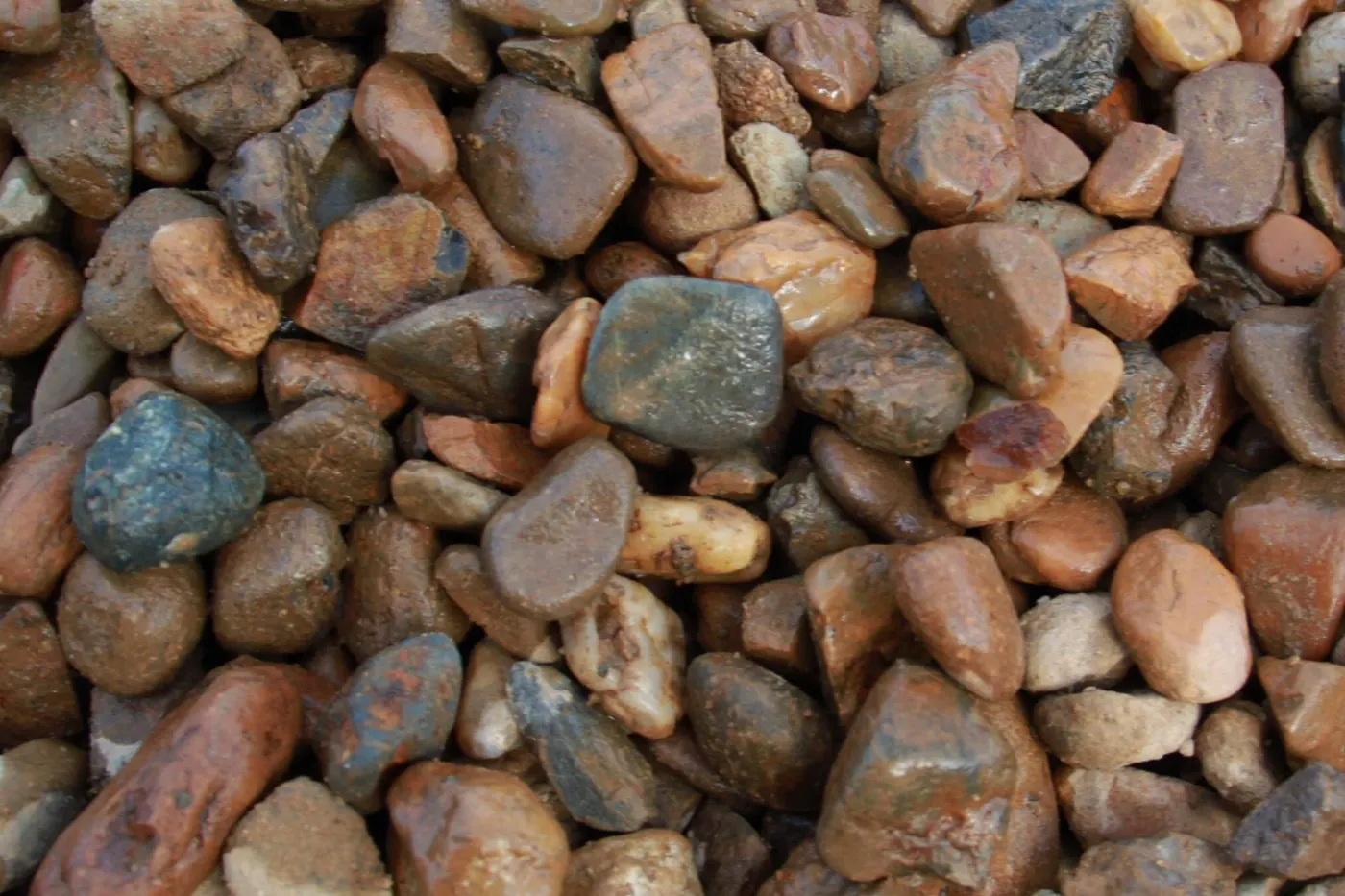 20mm River Stone
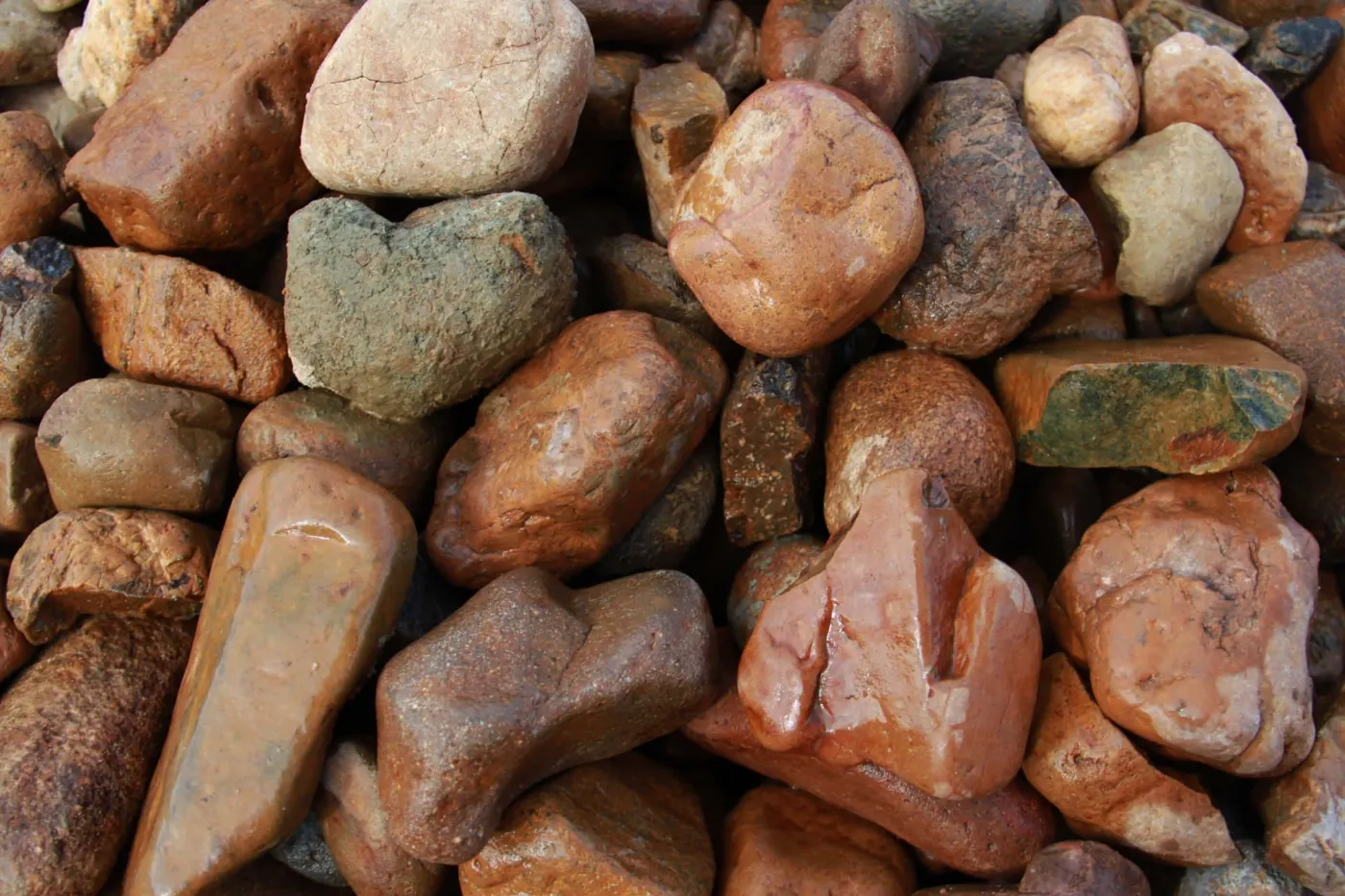 40–80mm River Stone
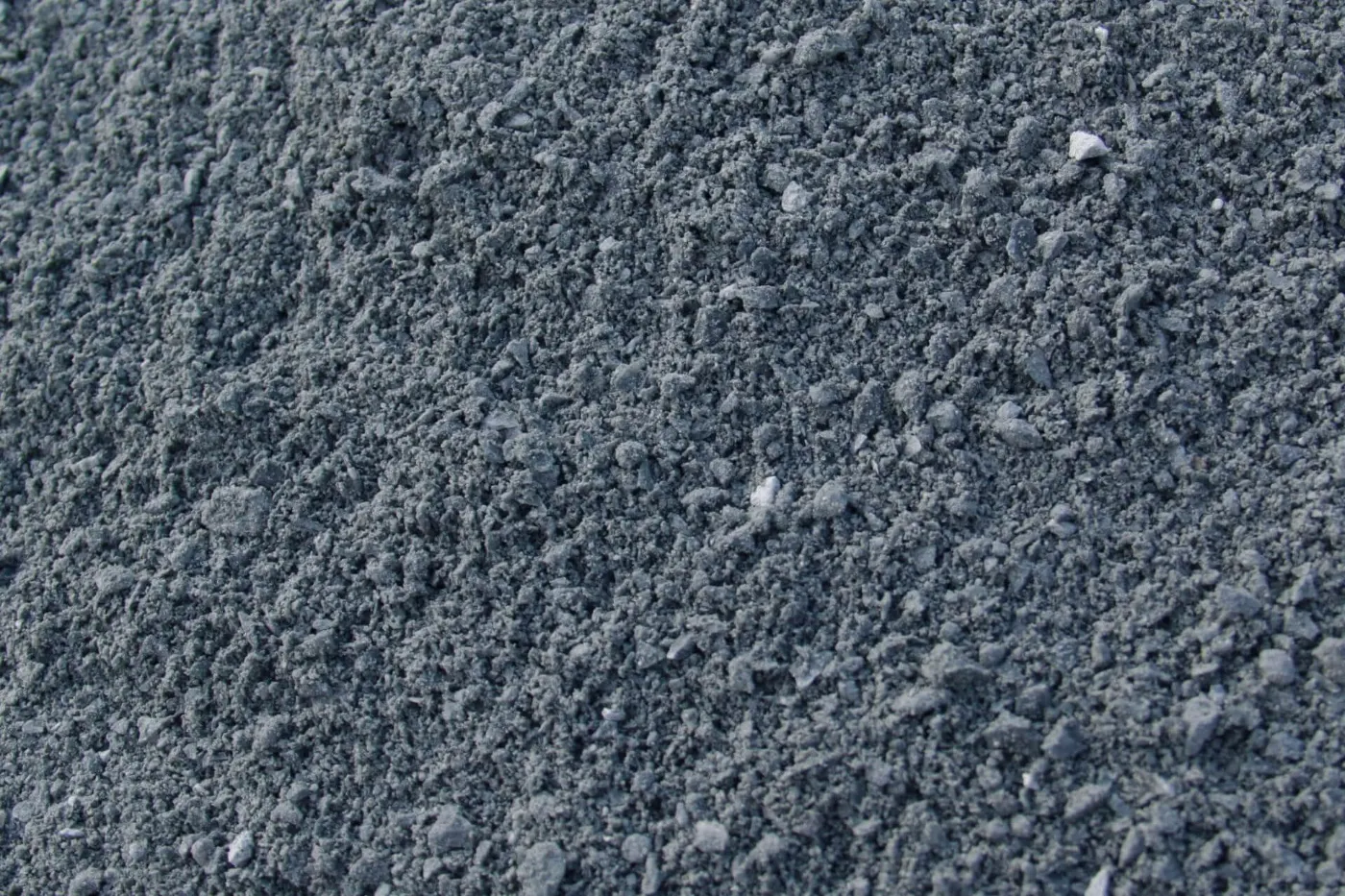 Blue Metal Crusher Dust
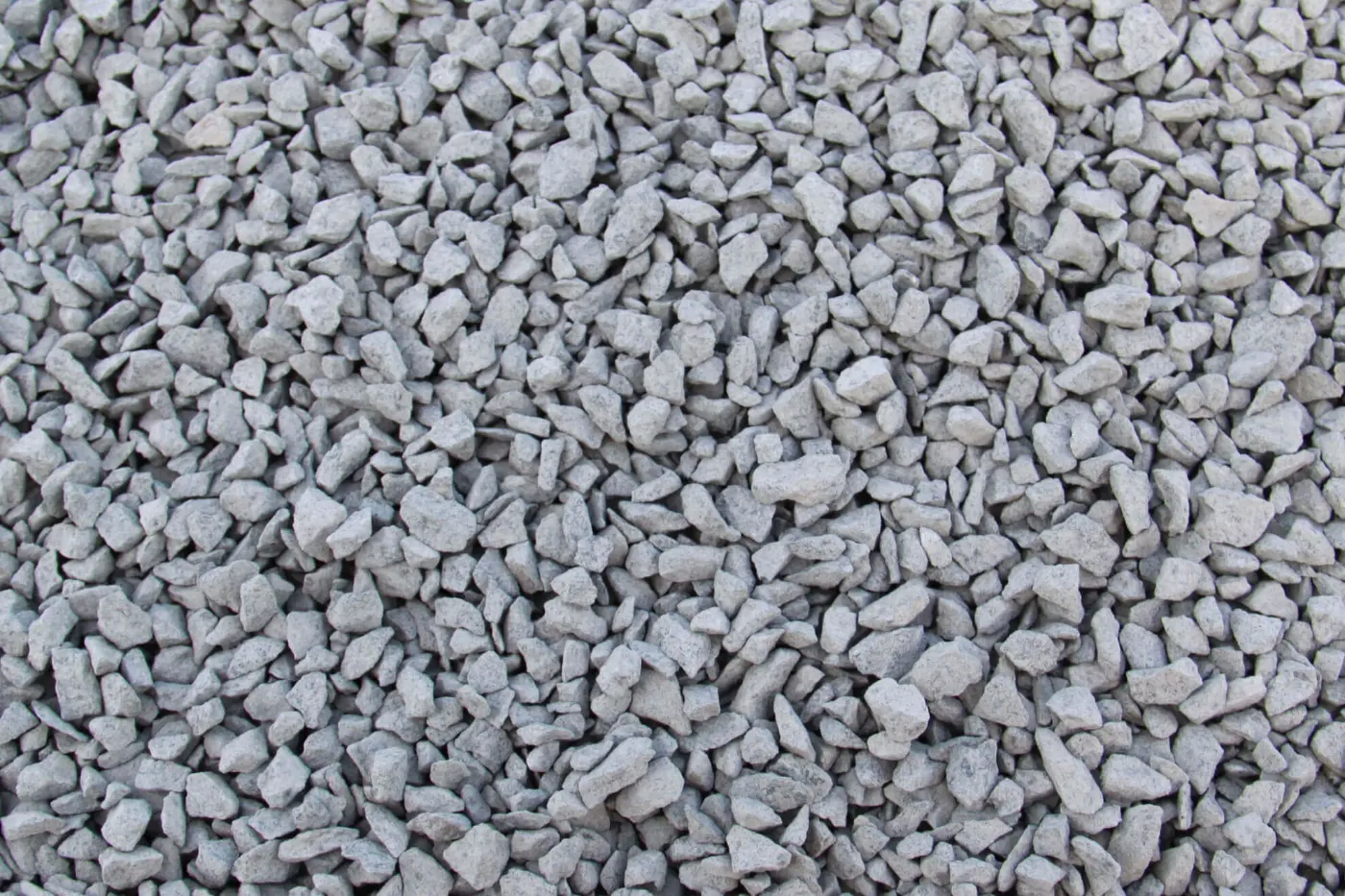 5mm Blue Metal
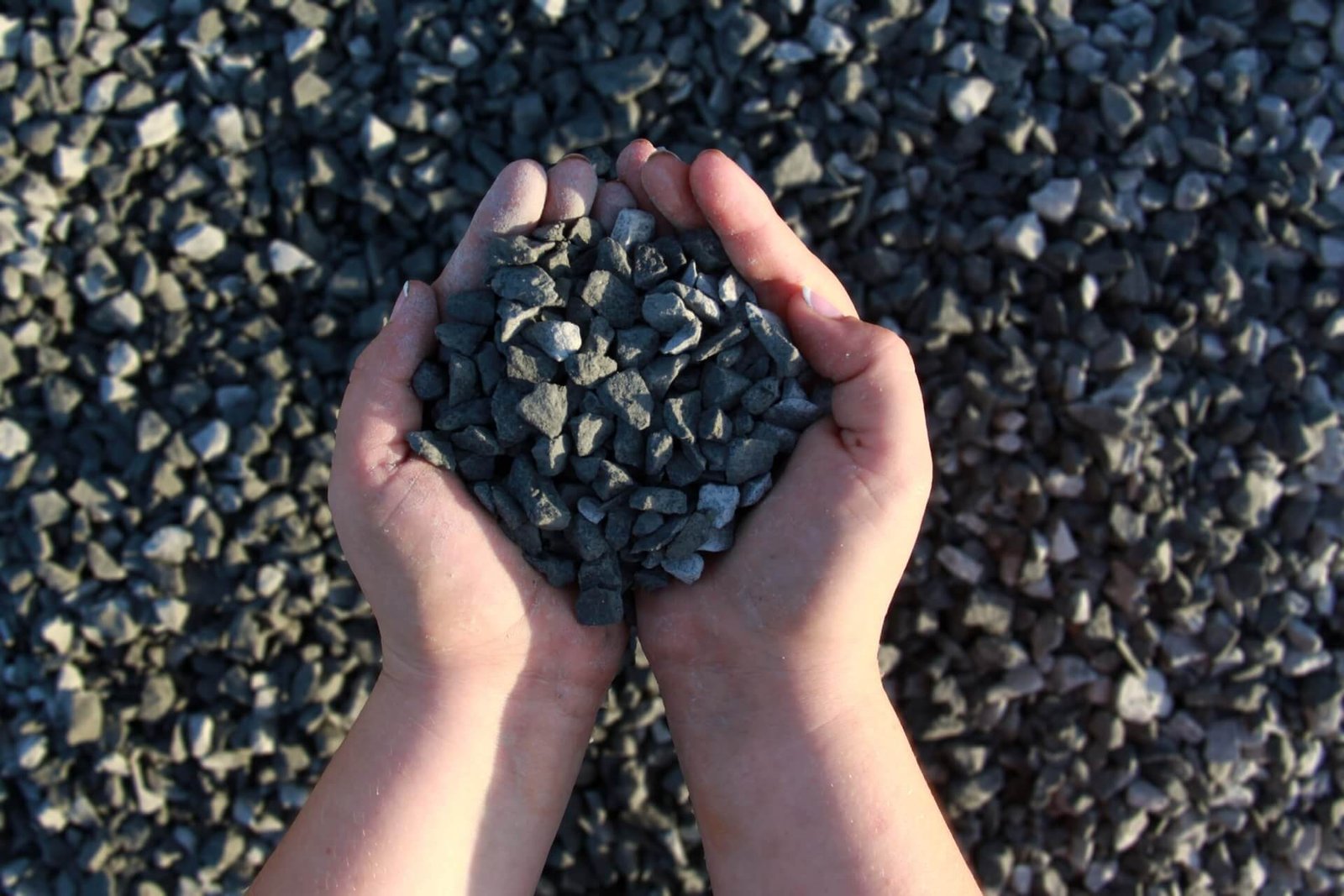 10mm Blue Metal
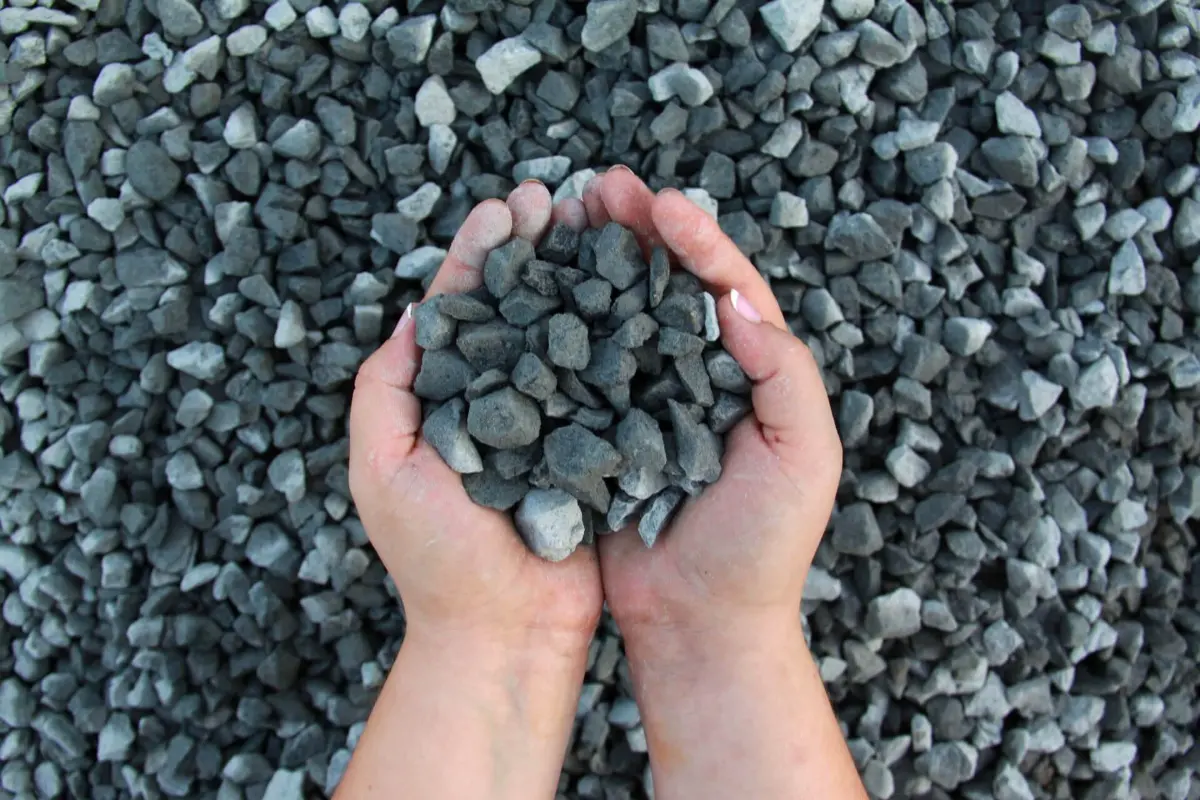 20mm Blue Metal
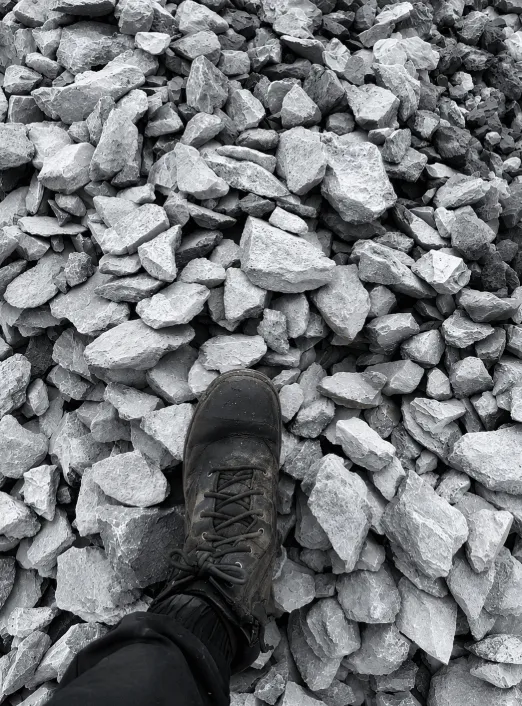 25–75mm Blue Rock
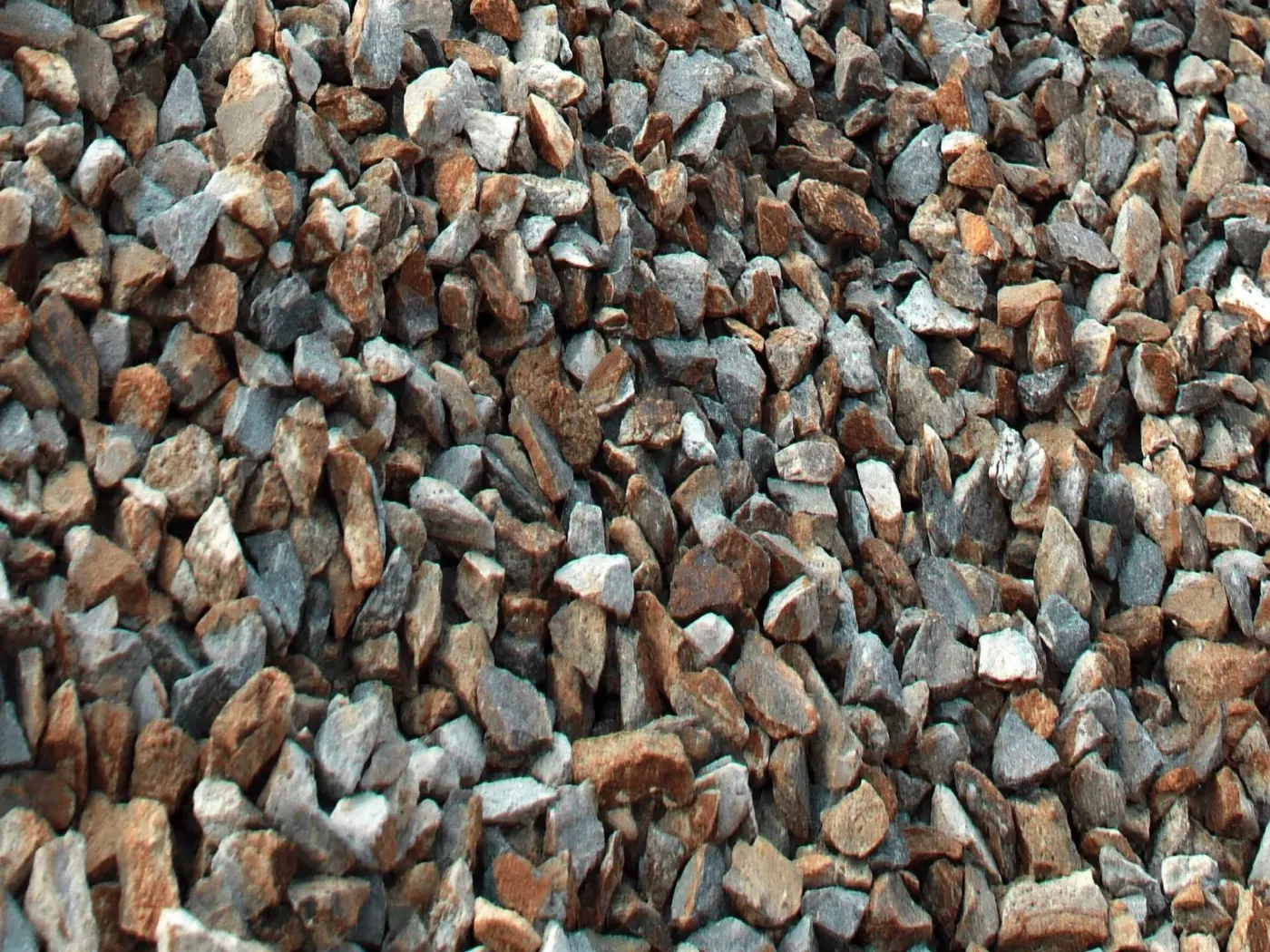 Multicolour Rock
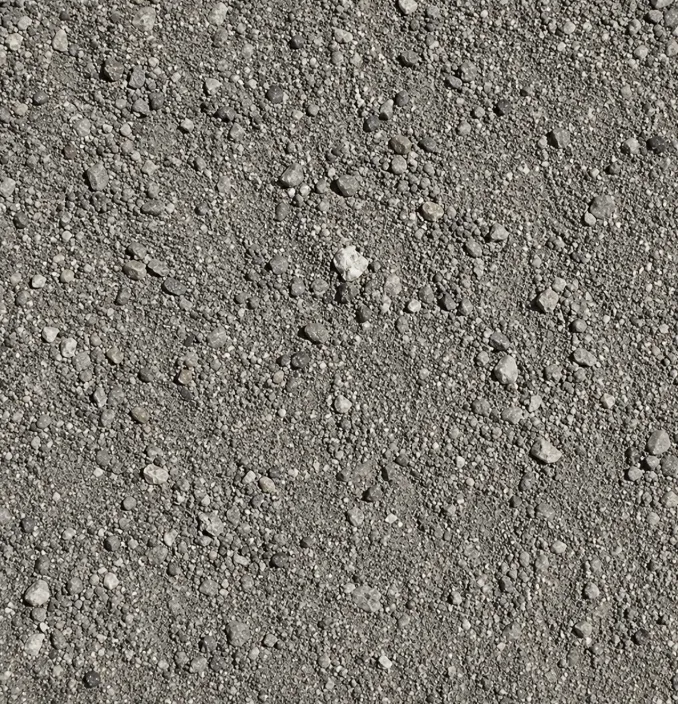 Recycled Concrete Crusher Dust
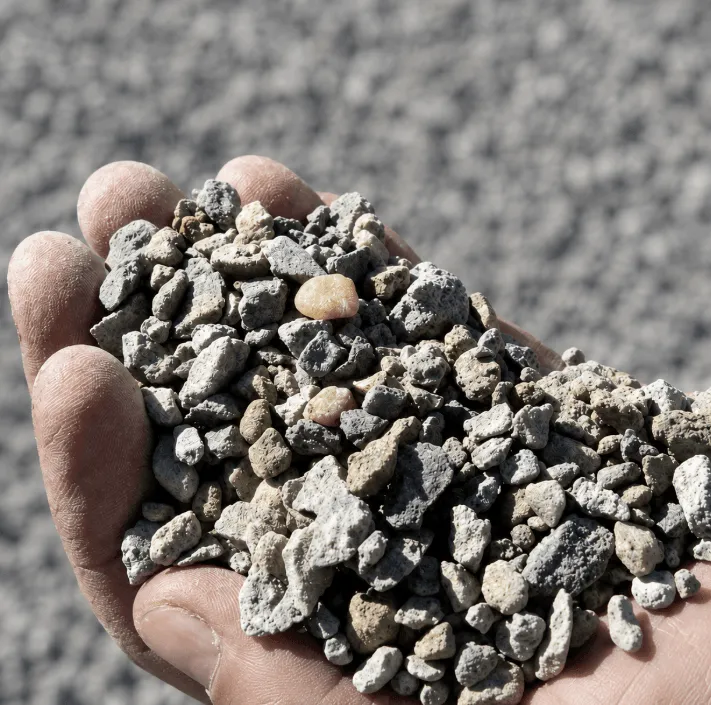 5mm Recycled Concrete
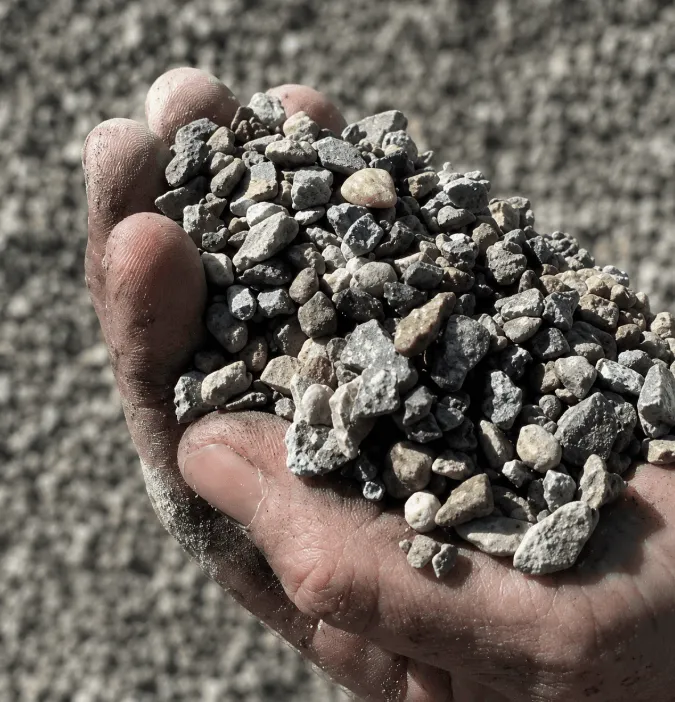 10mm Recycled Concrete
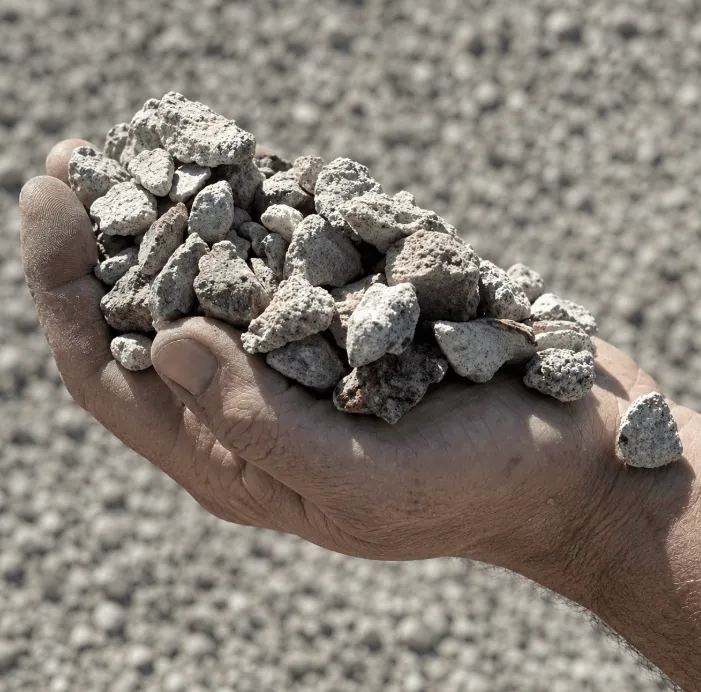 20mm Recycled Concrete
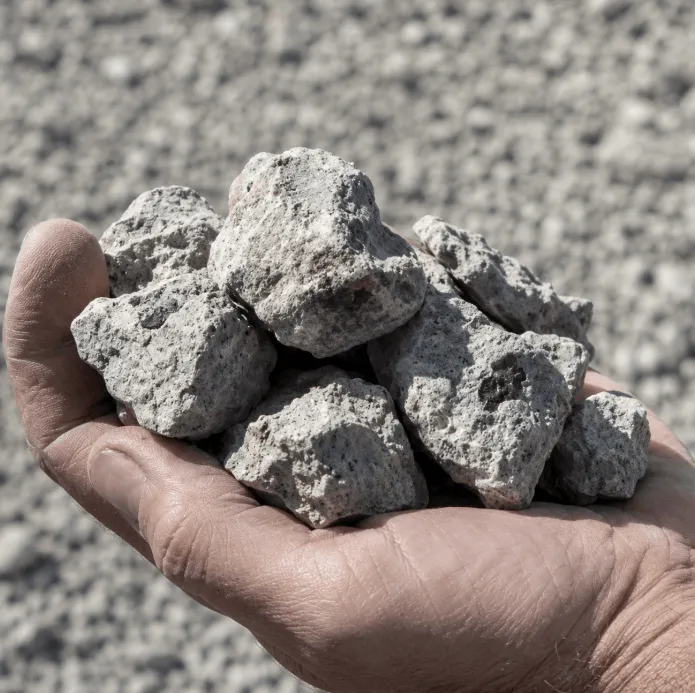 40–70mm Recycled Concrete
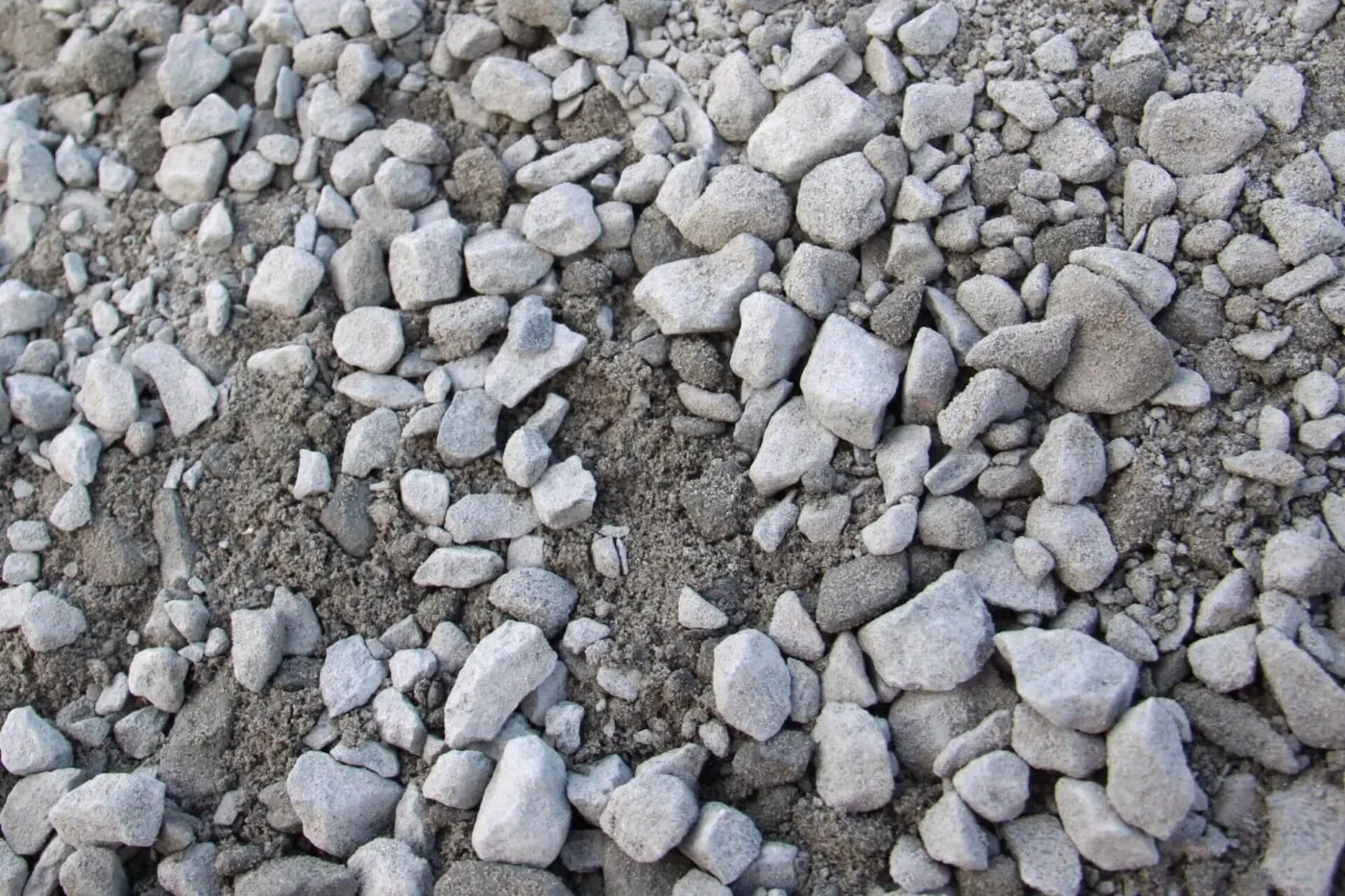 Concrete Blend
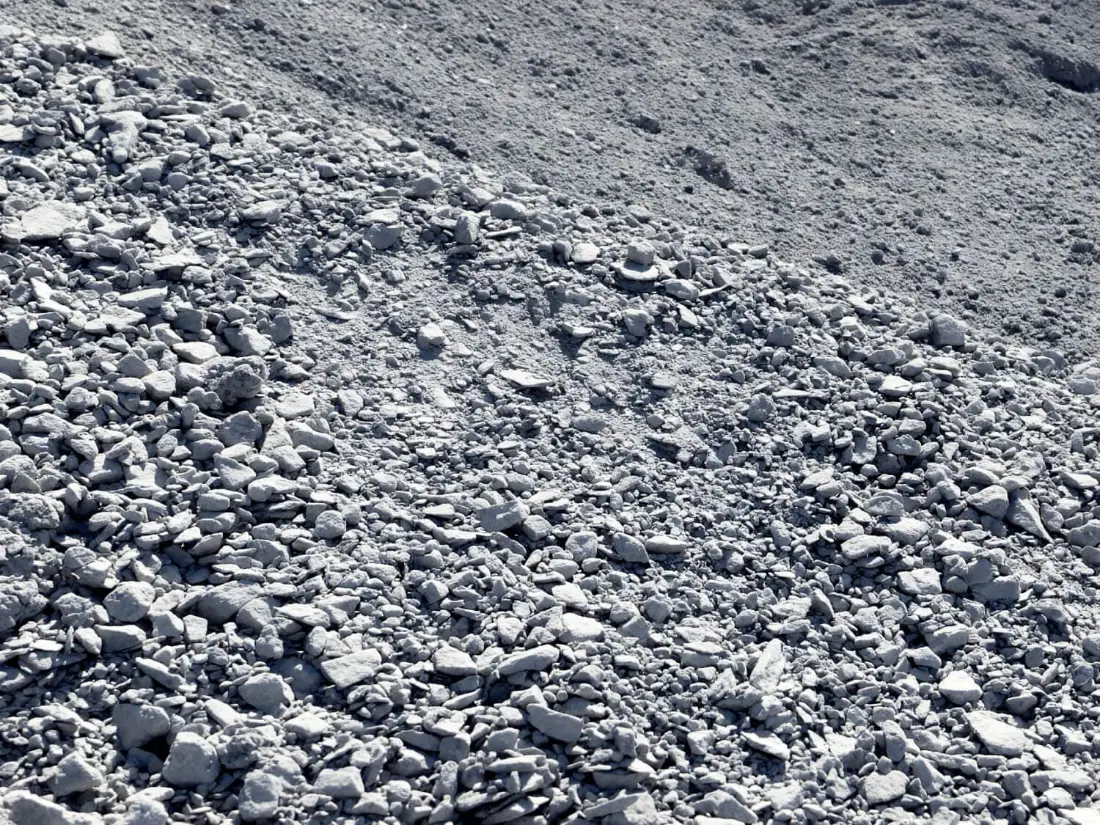 Road Base 2.3 – CBR45
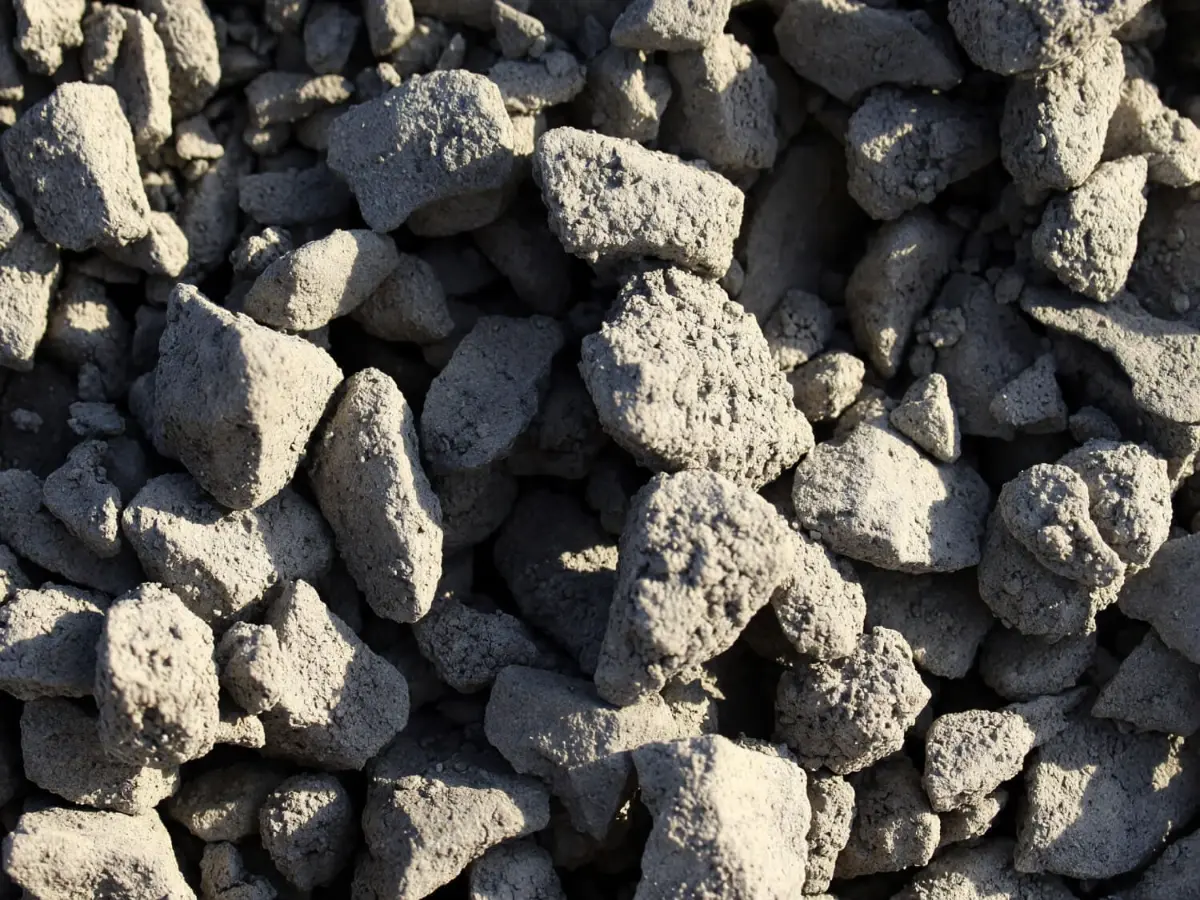 Road Base 2.5 – CBR15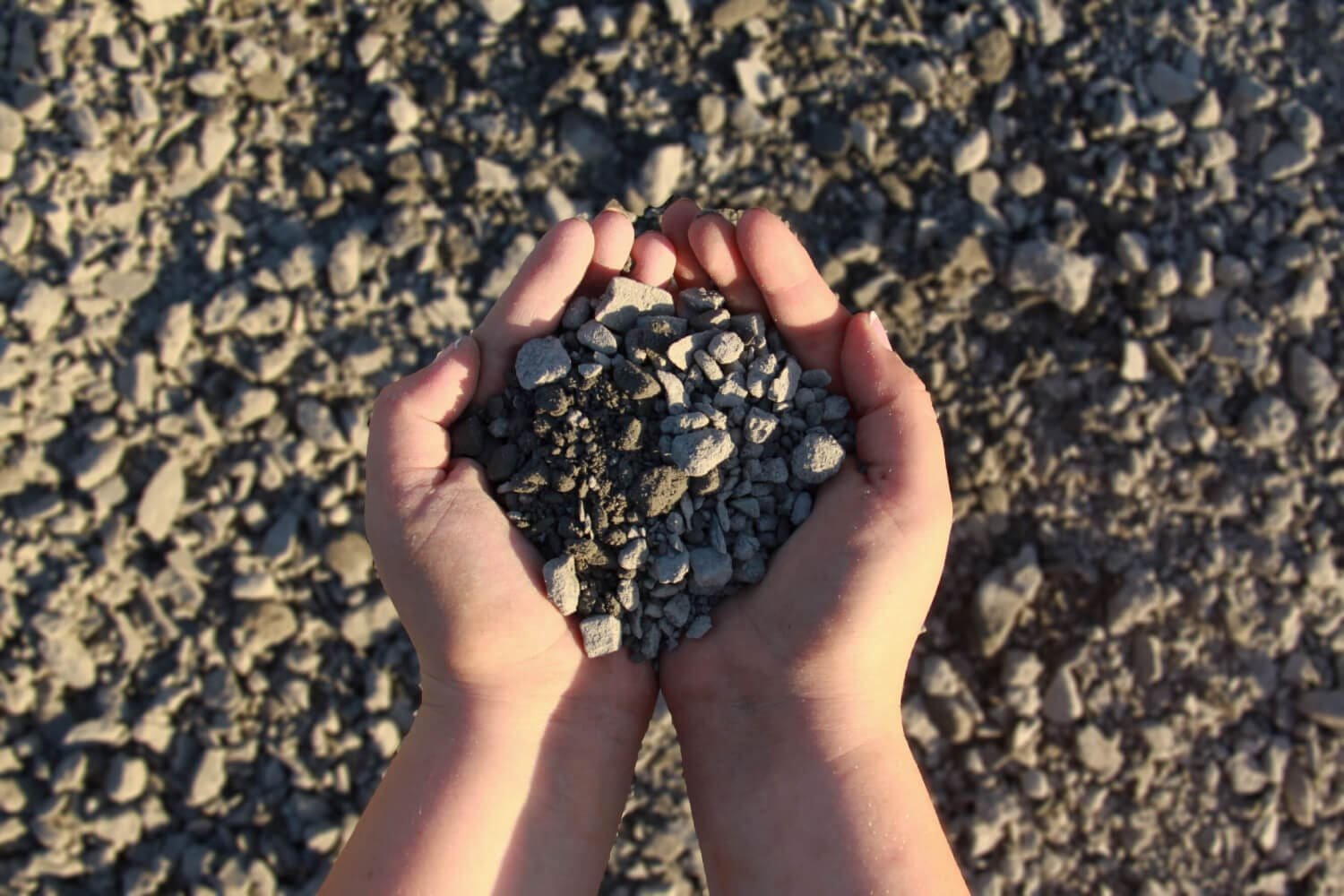
By the Bulk Landscape Supplies Brisbane team · Last reviewed 1 October 2026
The layers, from the bottom up
| Layer | Patio or path | Driveway |
|---|---|---|
| Sub-base (road base or crusher dust) | 75–100mm compacted | 100–150mm compacted |
| Bedding sand | 20–30mm screeded | 20–30mm screeded |
| Pavers | Paver thickness | Paver thickness |
Driveways and areas used by vehicles should follow an engineer’s or manufacturer’s specification where one applies.
Step by step
- Mark out the area and dig down to the total depth of all layers, plus a slight fall (about 1:100) away from the house.
- Compact the exposed ground with a plate compactor.
- Spread road base or crusher dust in layers of no more than 100mm, dampen each layer and compact it firmly.
- Spread bedding sand 20–30mm deep and screed it flat with a straight edge on rails. Do not compact the sand before laying.
- Lay the pavers on the loose sand, working from a fixed edge, then compact them in with a plate compactor fitted with a rubber mat.
- Sweep fine sand into the joints and compact again.
How much do you need?
For a 20m² patio: 20 × 0.1 = 2m³ of road base or crusher dust, and 20 × 0.03 = 0.6m³ of bedding sand. Our guide to how much landscape supply you need explains the maths.
Road base or crusher dust?
Road base is stronger and suits driveways and heavier use. Crusher dust is finer, easy to level and suits patios, paths and tank pads. See blue metal vs recycled concrete if you are choosing between crusher dust types.
Tools you’ll need
- Spade, shovel and wheelbarrow for digging out and moving material
- String line, pegs and a long spirit level to set heights and falls
- Plate compactor (most hire shops have them)
- Screed rails and a straight board for levelling the bedding layer
- Rubber mallet and a masonry saw for cutting pavers
Getting the fall right
Paved areas need a slight slope so rain runs off instead of pooling. A common rule is a fall of about 10mm for every metre, running away from the house and towards a garden bed, lawn or drain. Set the string lines to this fall before you lay the base, then follow it through every layer. Check your local council’s rules if the paving is near a building or boundary.
Compacting in layers
Lay road base or crusher dust in layers no more than about 100mm thick, dampen each one lightly and run the plate compactor over it two or three times before adding the next. A base compacted in one deep lift tends to settle unevenly later, which is when pavers start to rock and dip.
Common mistakes to avoid
- Skipping compaction, or compacting the base when it is bone dry.
- Making the bedding layer too thick. Keep it to about 20–30mm.
- Walking on the screeded sand before the pavers go down.
- Forgetting edge restraints, so the outer pavers spread over time.
We supply the bulk base and bedding materials. Buy your pavers from your paver supplier and follow their laying advice.
Ready to order? Work out the quantity and get a price.
Get a quote