
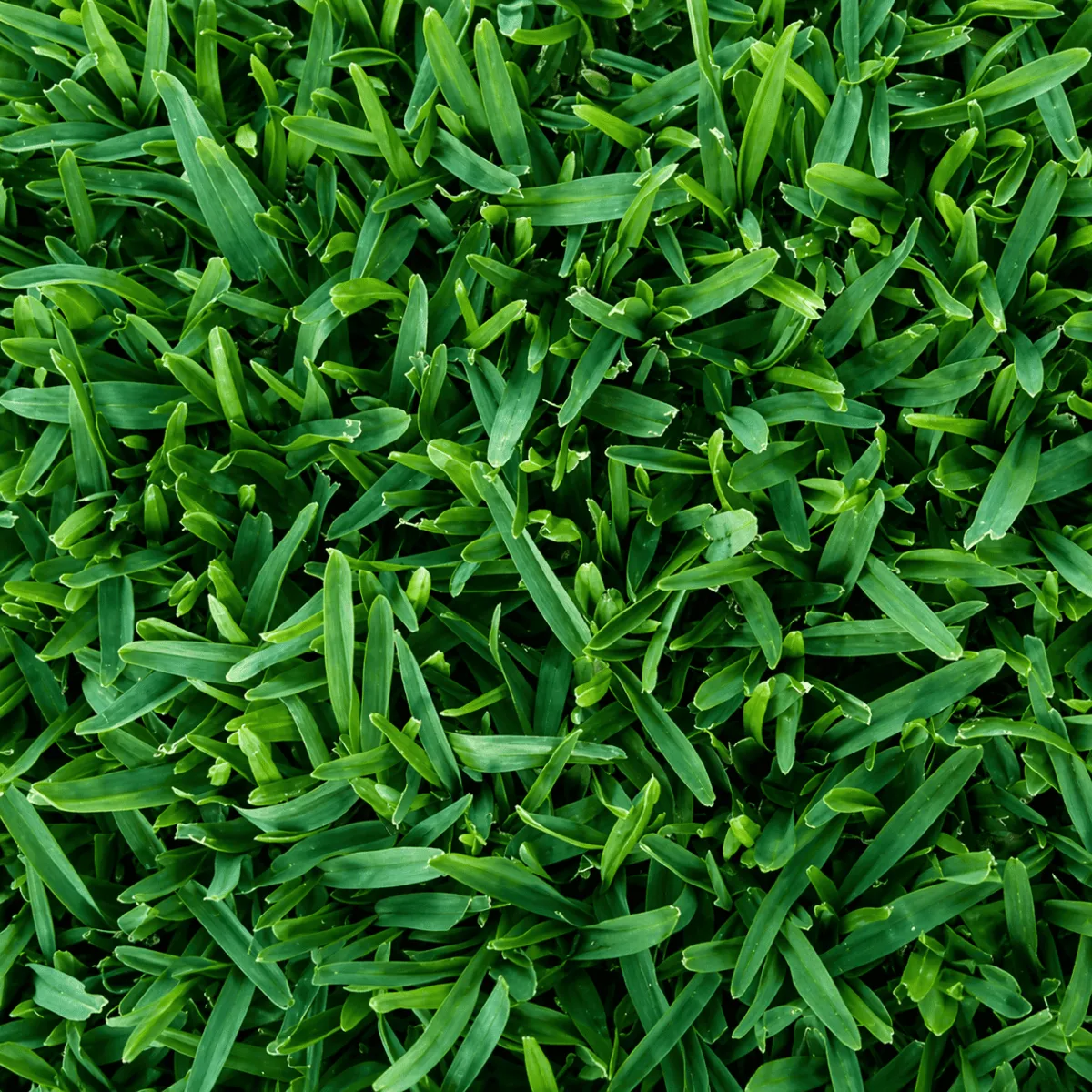
 Sir Walter Buffalo
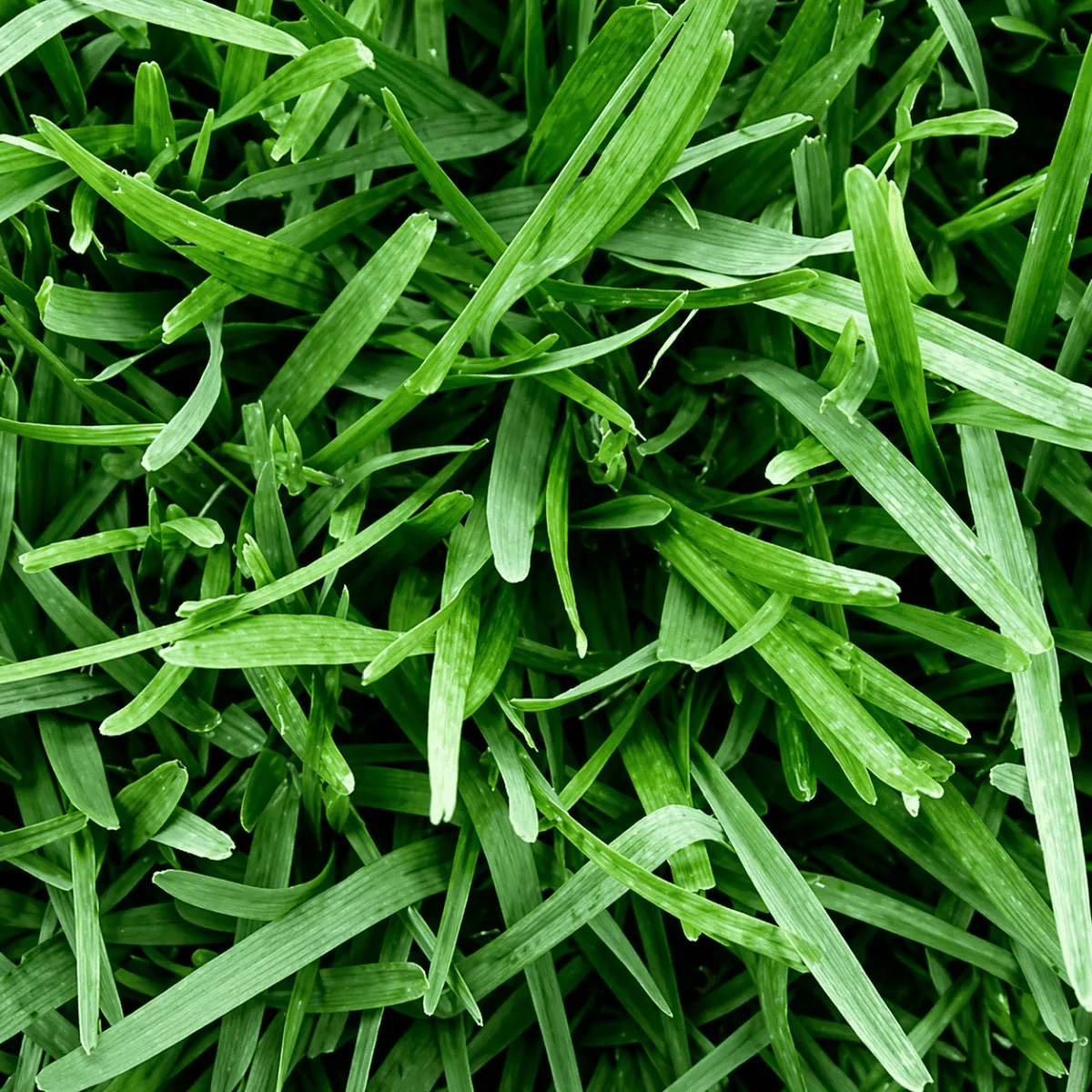 Soft Buffalo
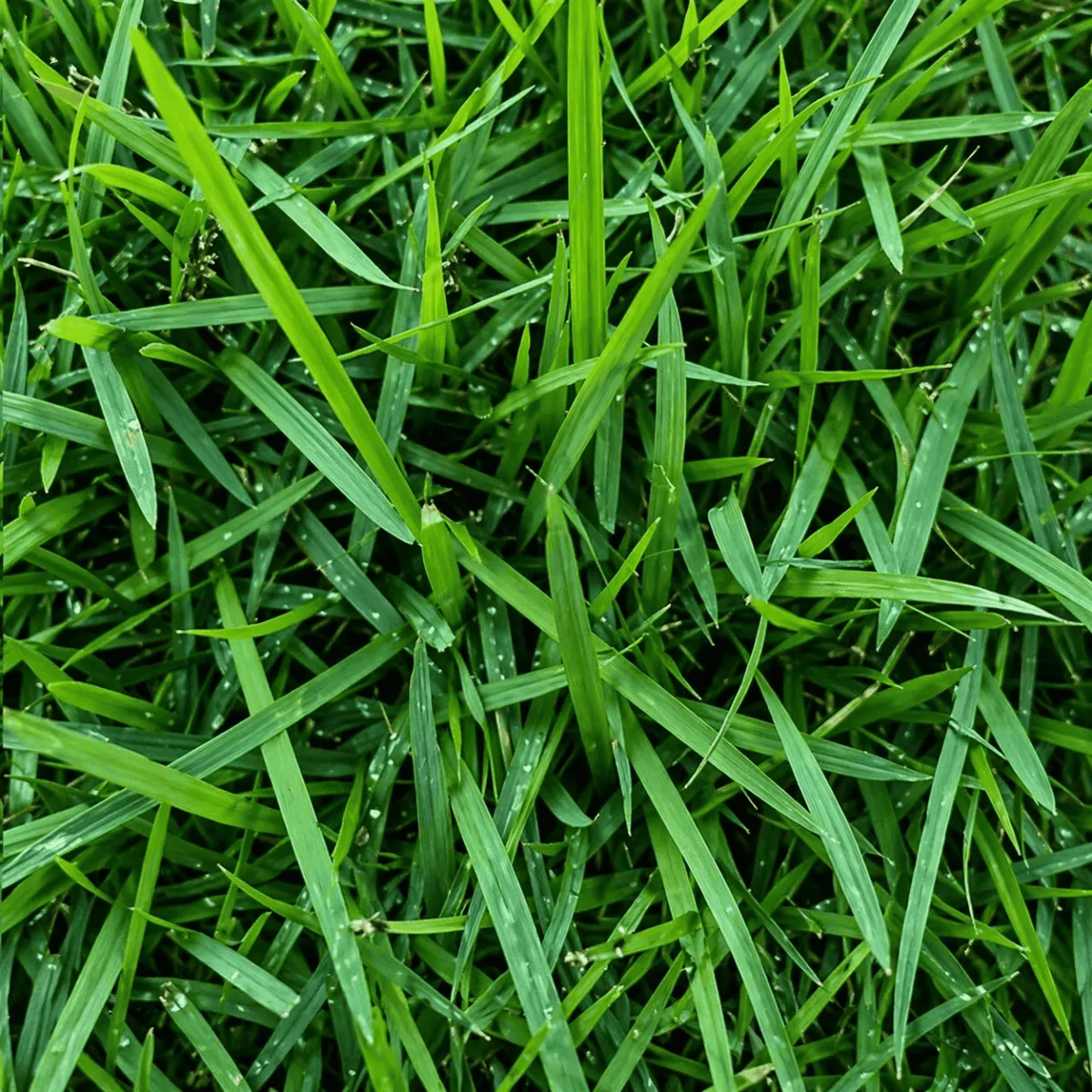 Wintergreen
 Zoysia
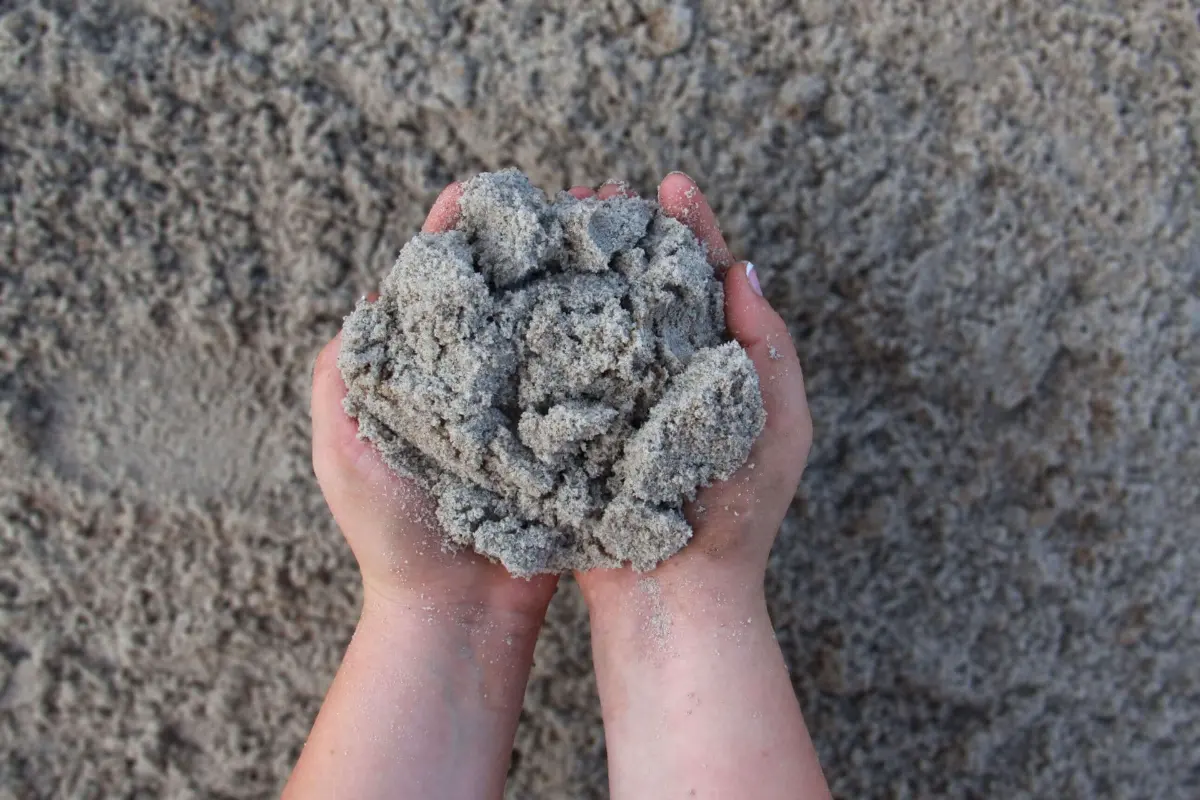 Fertilised Top Dress
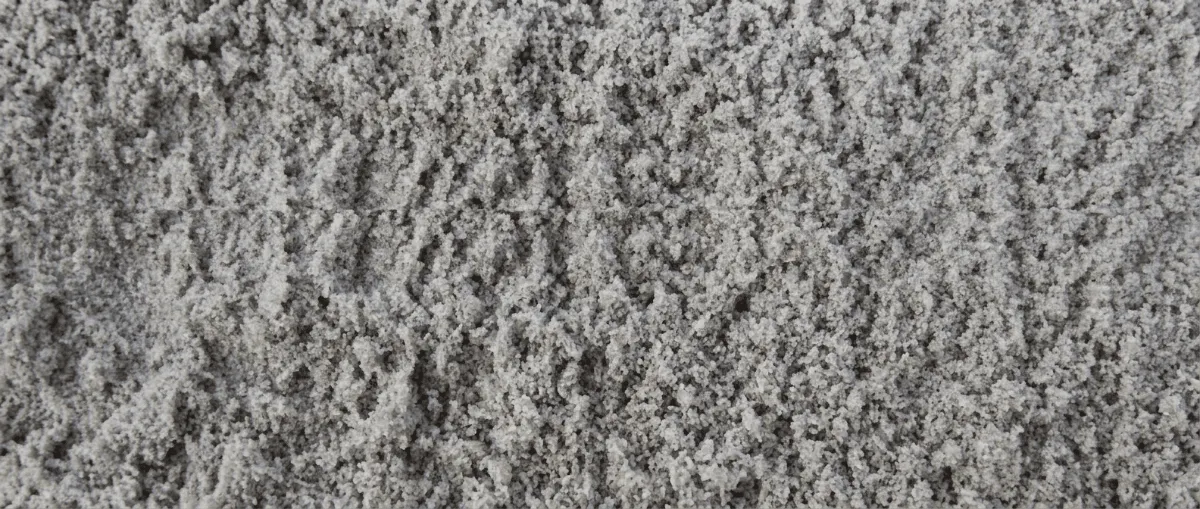 USGA Top Dress Sand
 Under Turf Soil
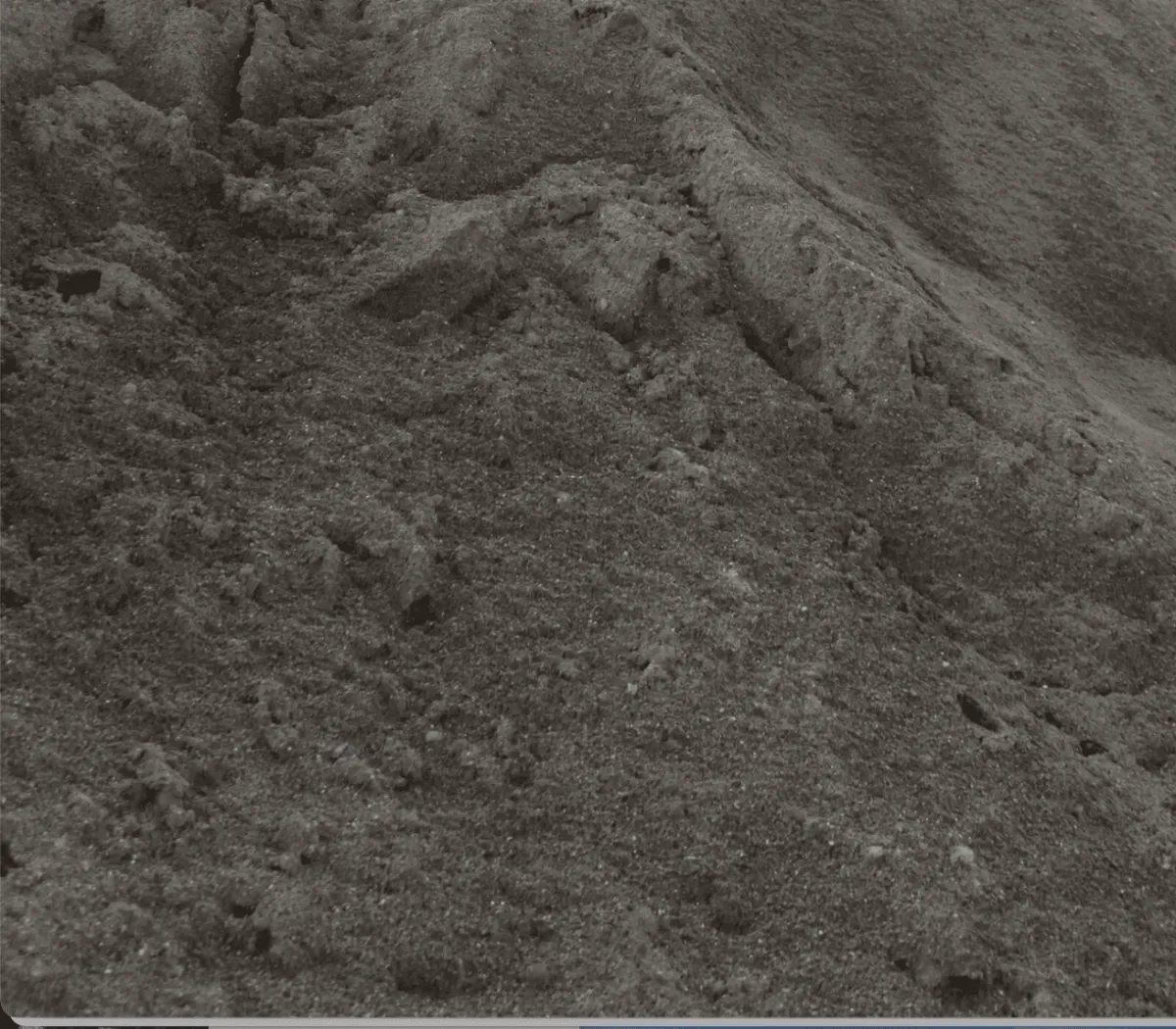 Premium Under Turf Soil
 Veggie Mix Organic Garden Soil
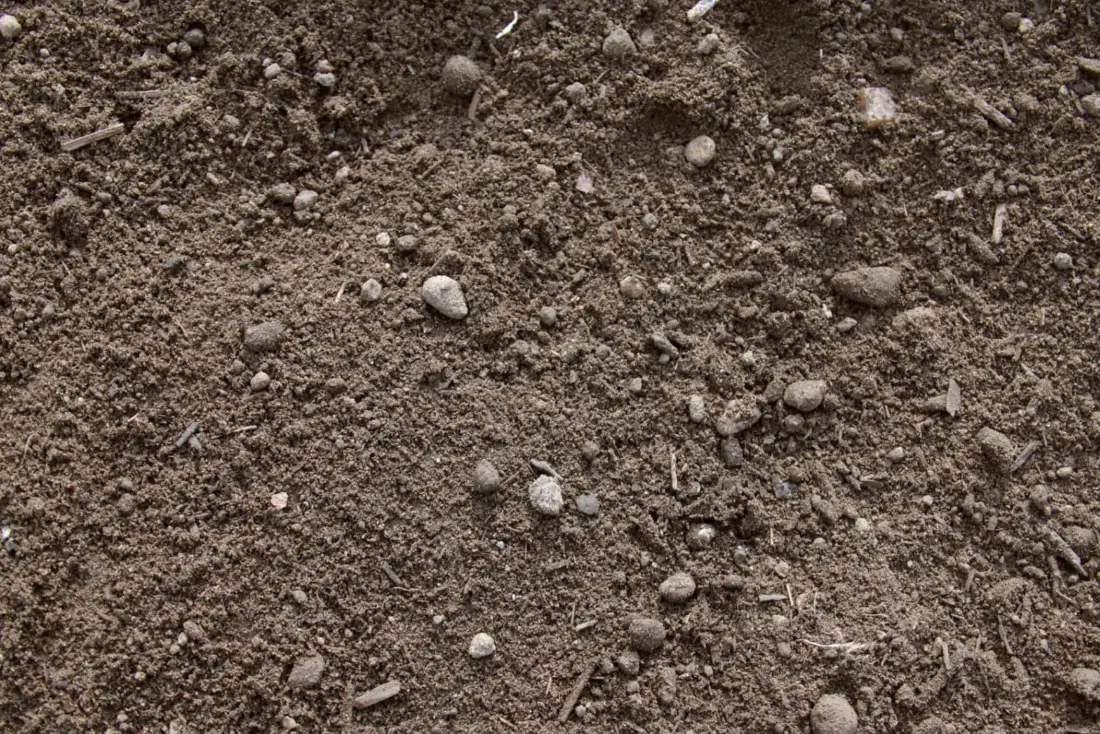 Ultra Premium Veggie Mix
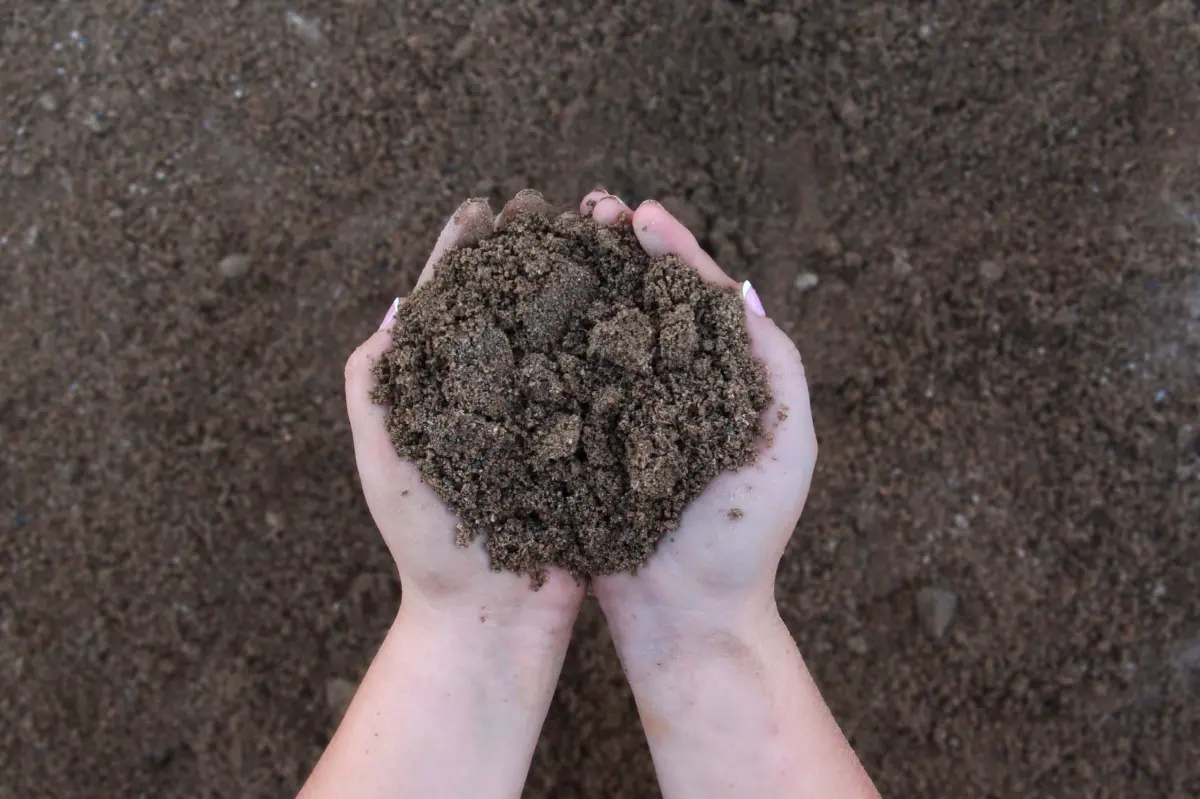 Premium Garden Soil
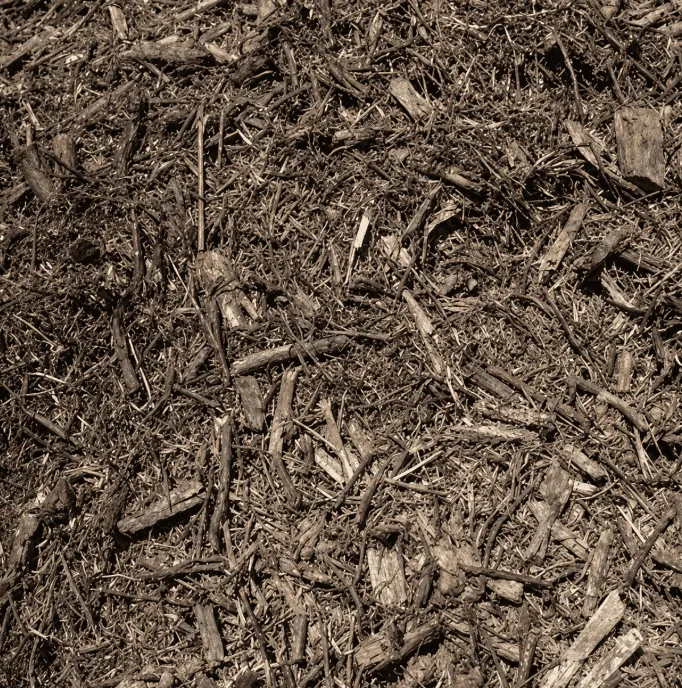 Tea Tree Mulch
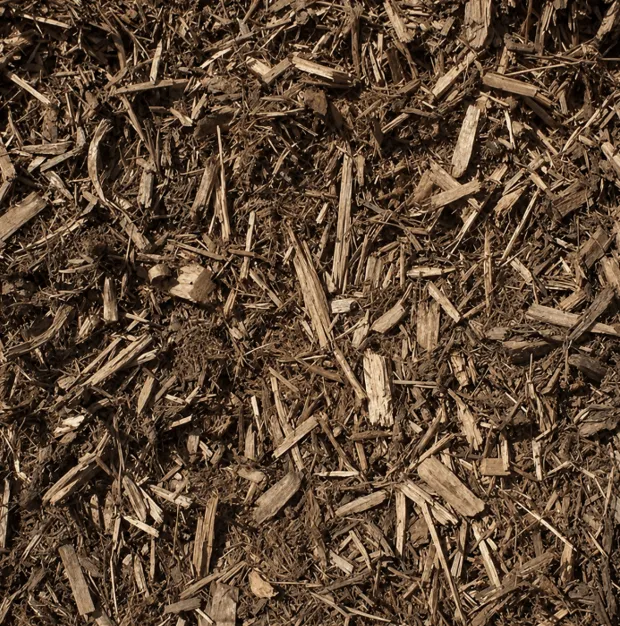 Cypress Mulch
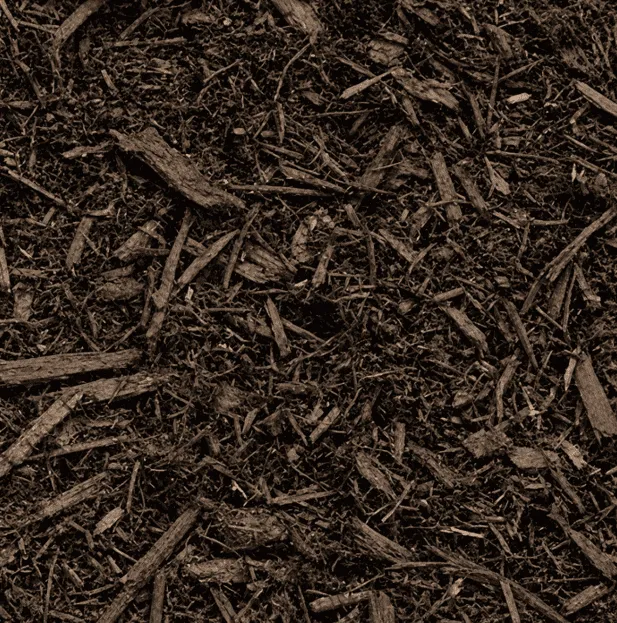 Forest Mulch
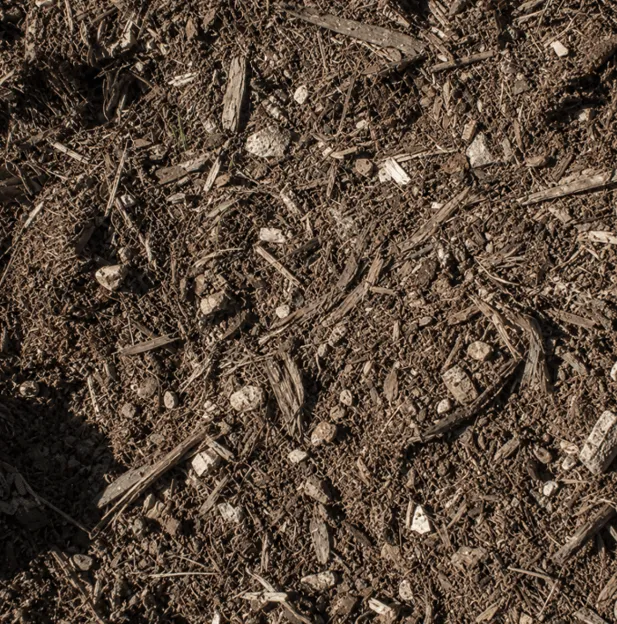 Forest Mulch Double Grind
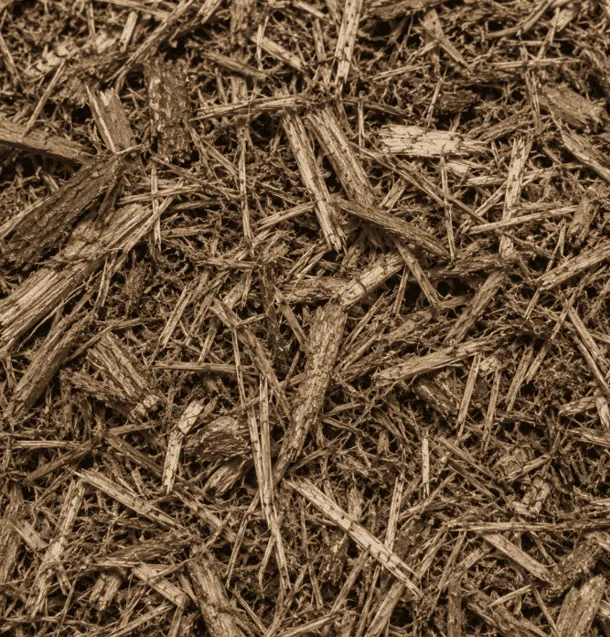 Tub Grind Mulch Coarse
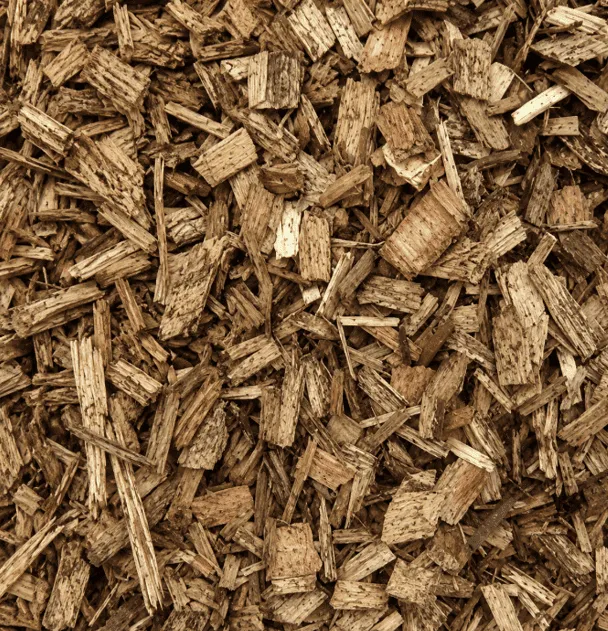 Hardwood Chip
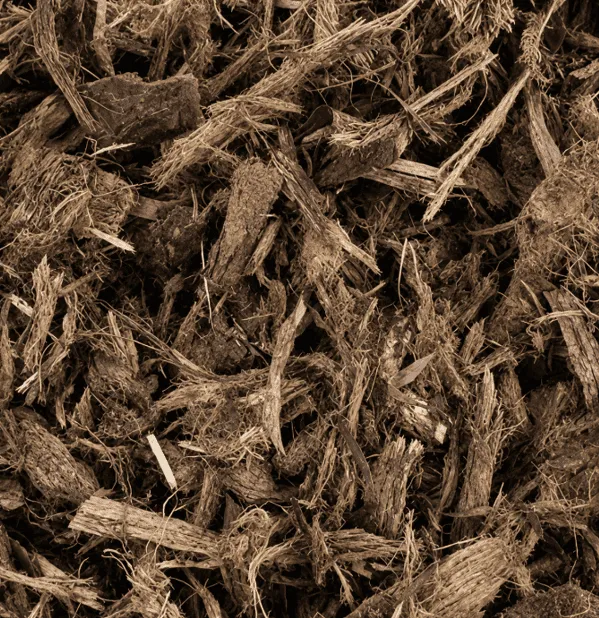 Hoop Bark 1–2 Inch
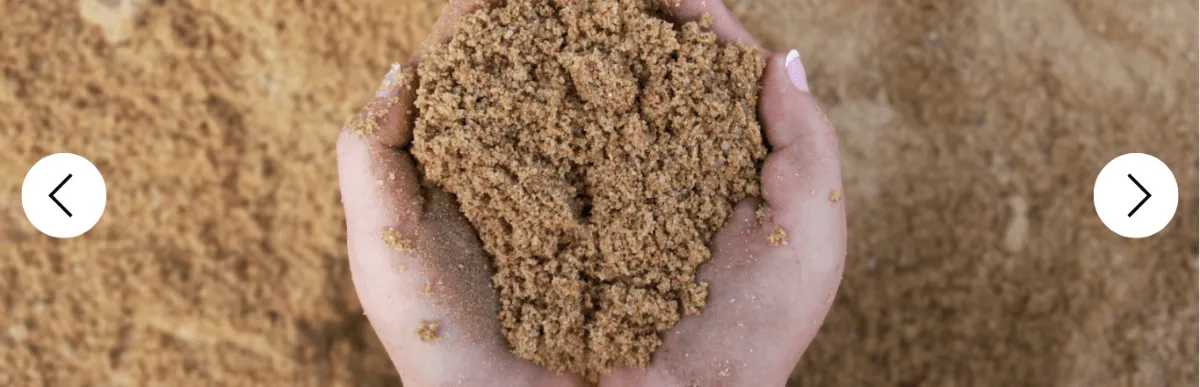 AES Sand
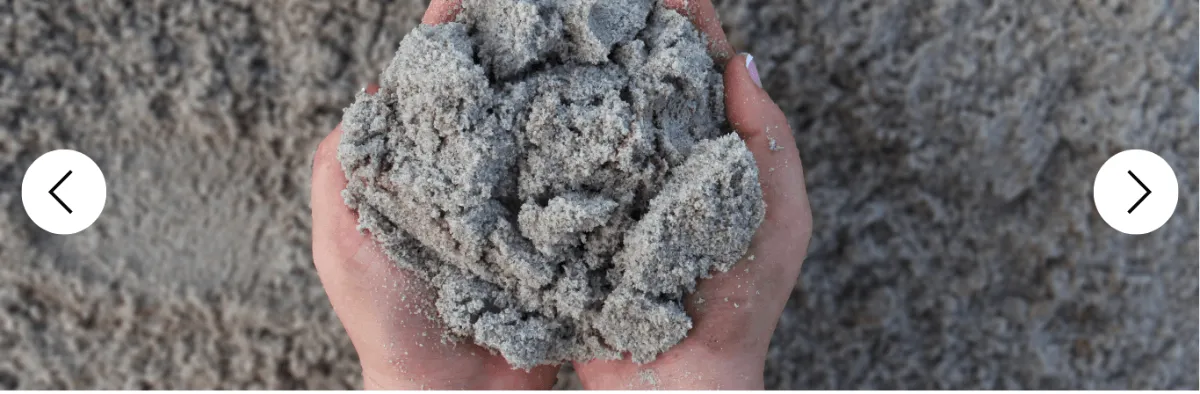 Bedding Sand
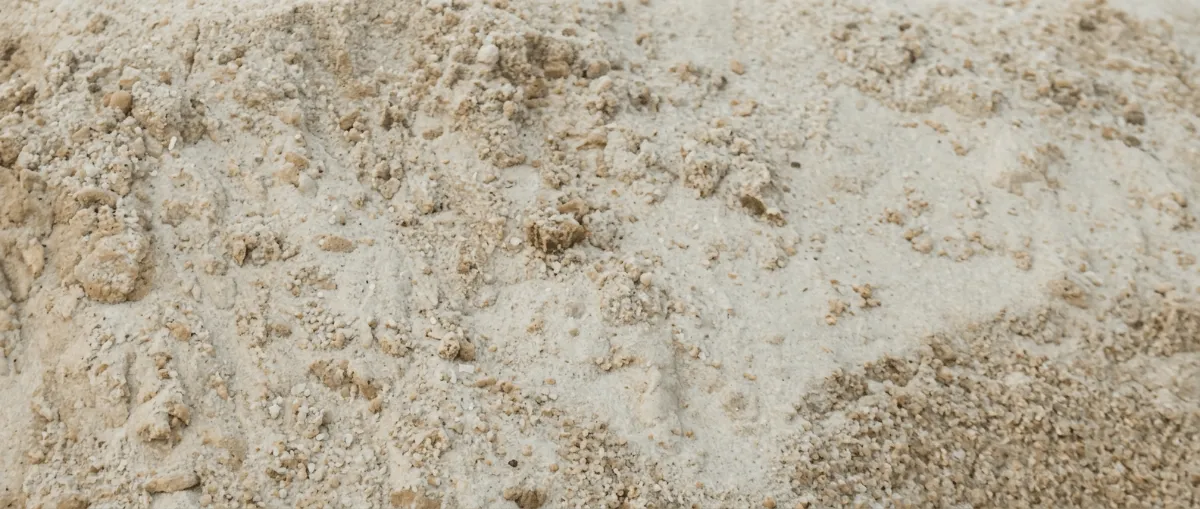 Bio Media Sand
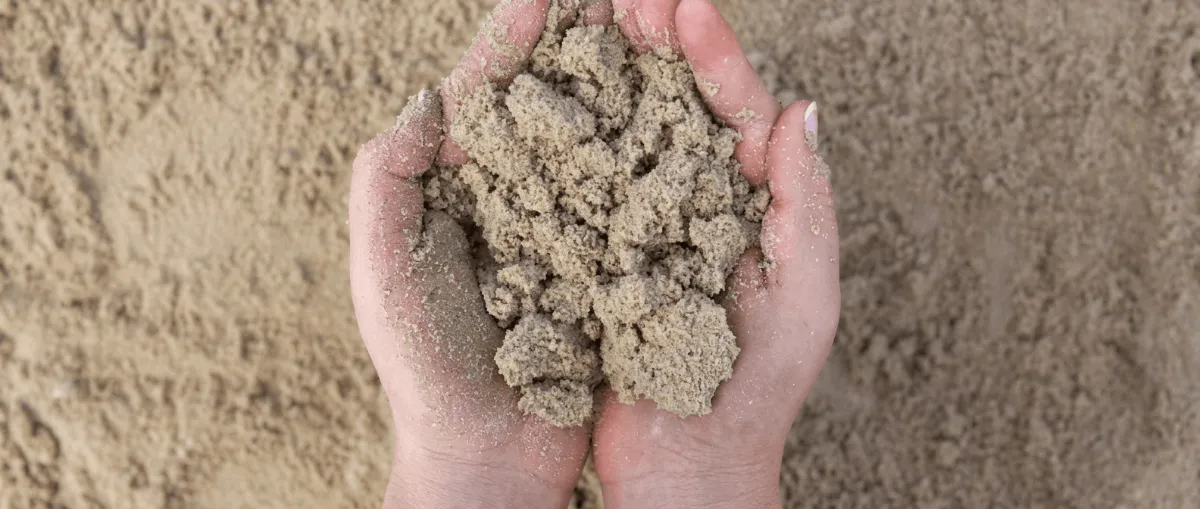 Brickies Loam
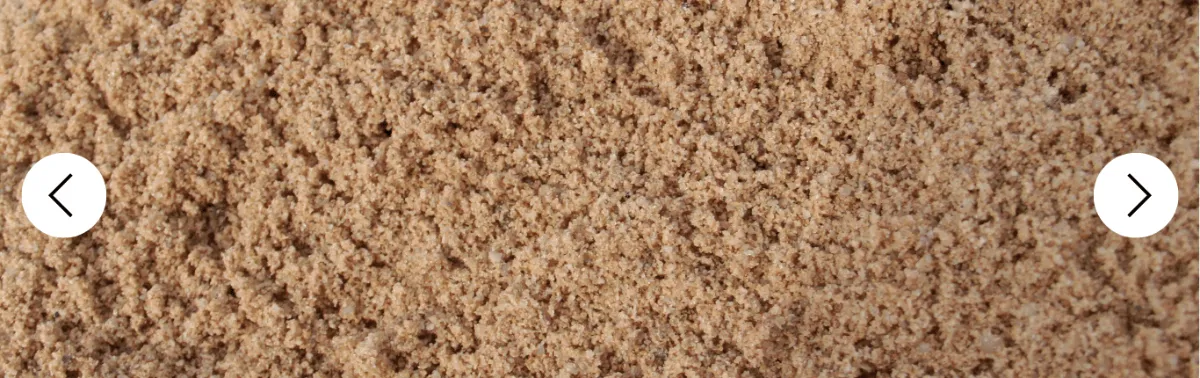 Coarse Sand
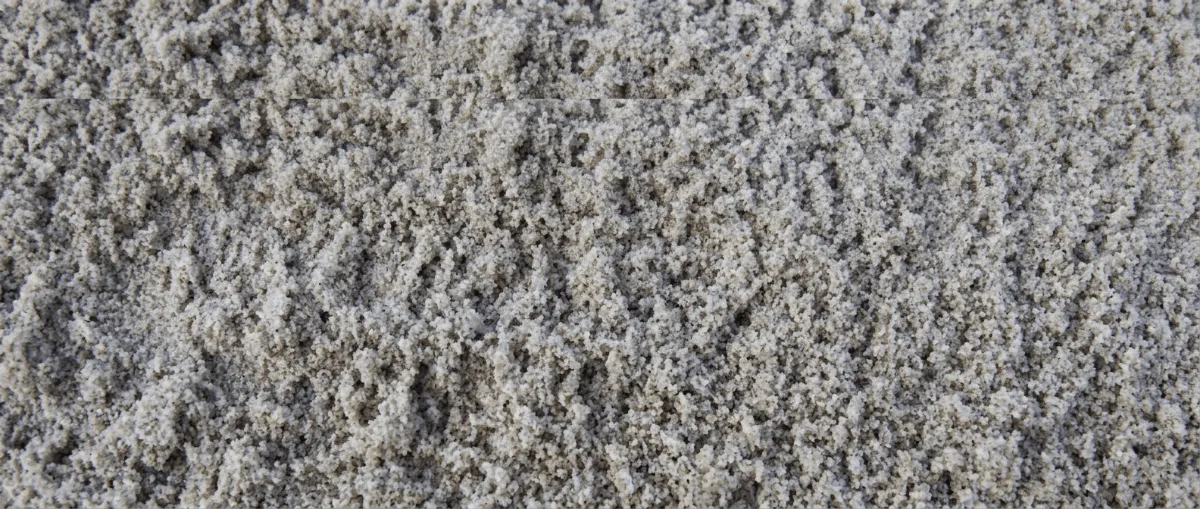 Electrical Sand
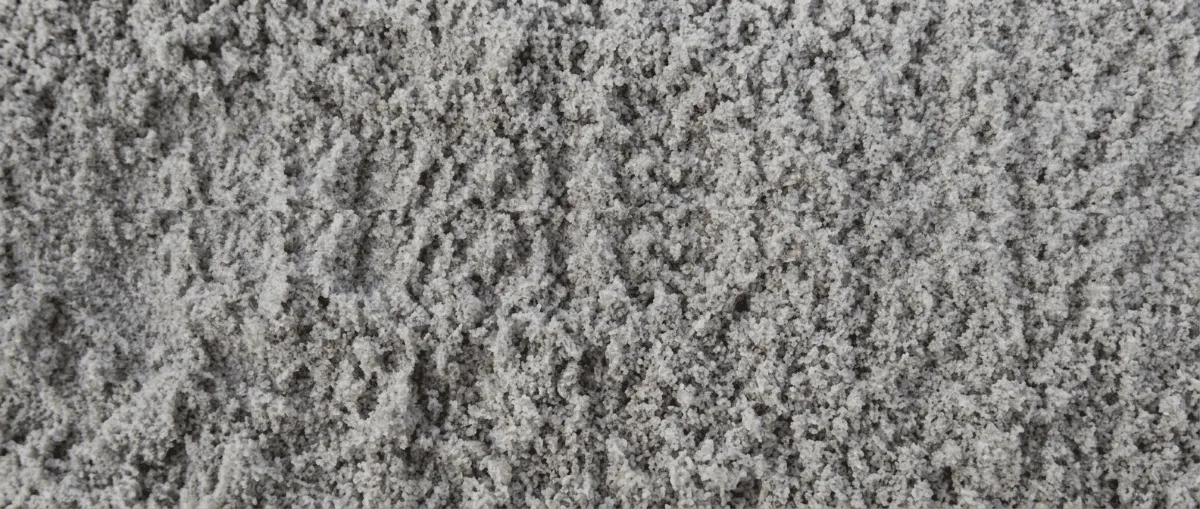 USGA Top Dress Sand
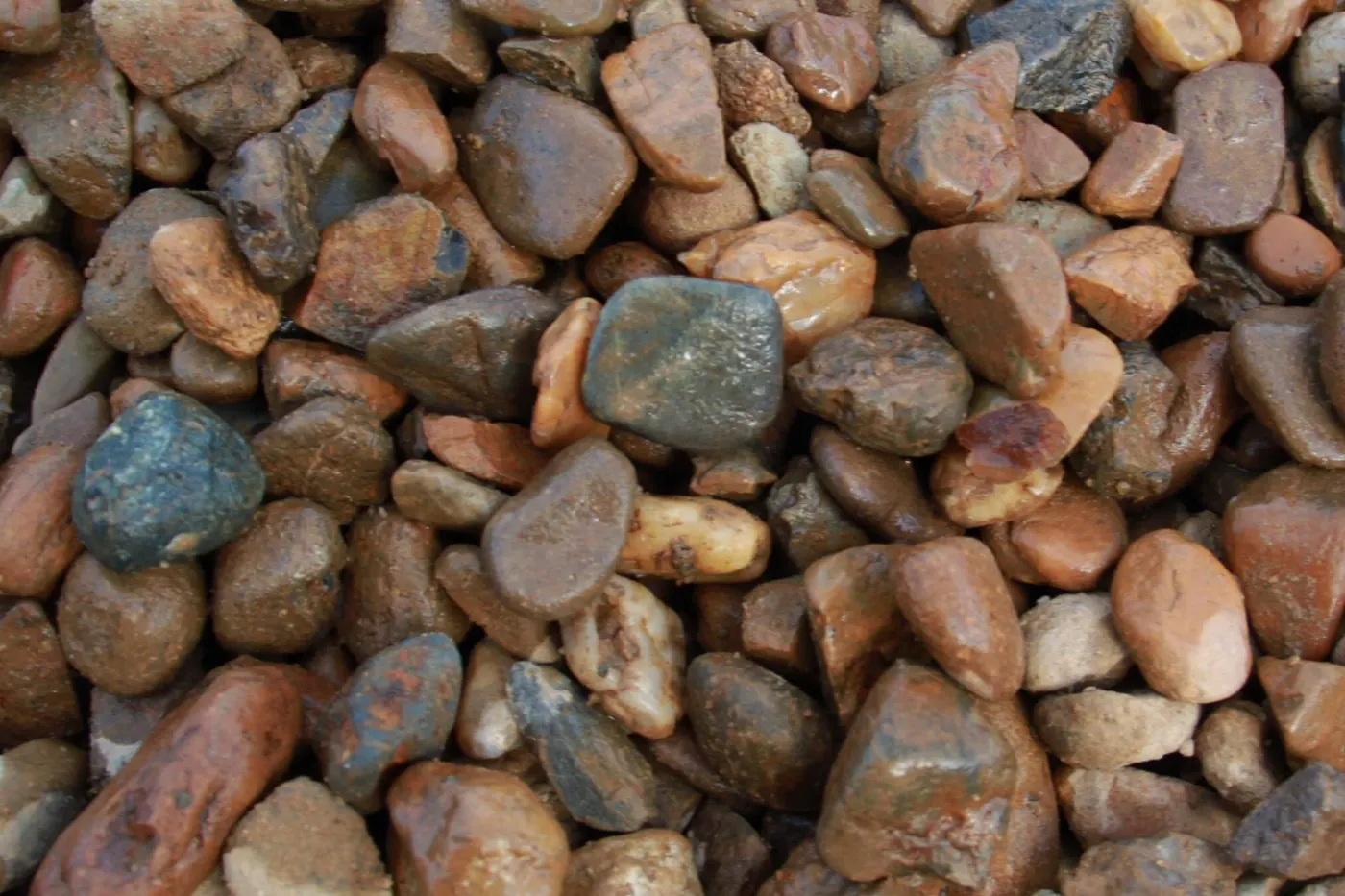 20mm River Stone
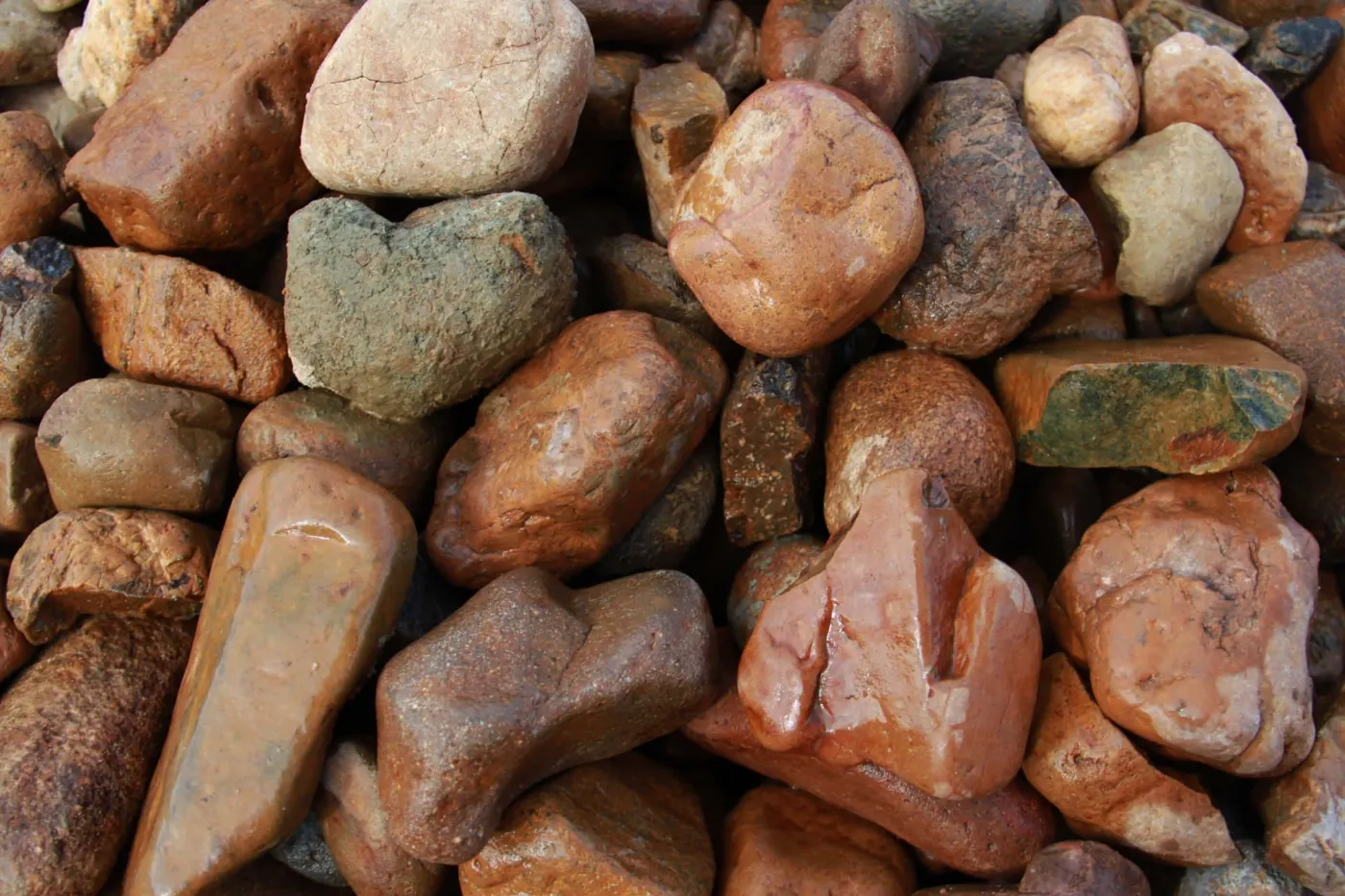 40–80mm River Stone
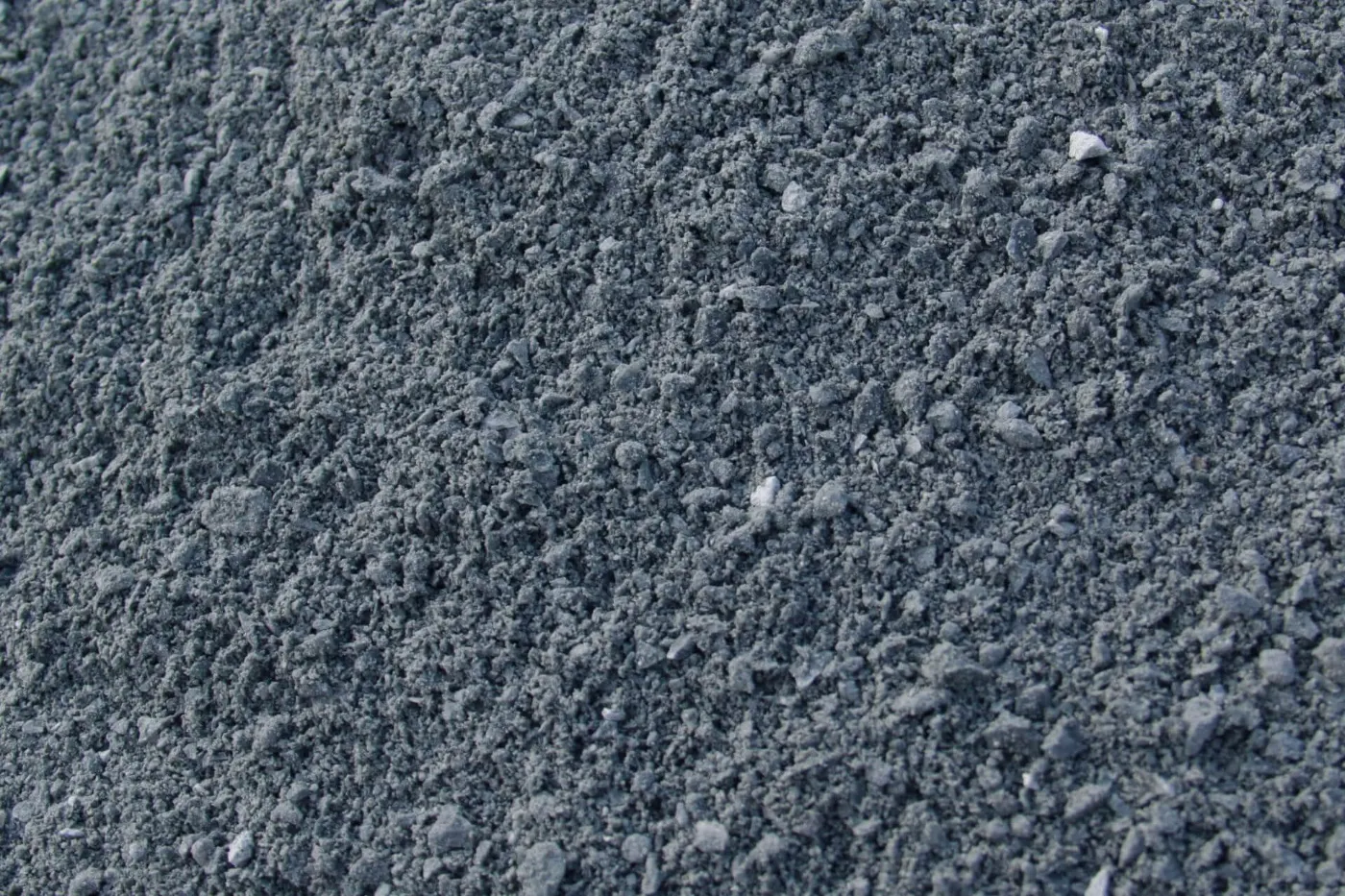 Blue Metal Crusher Dust
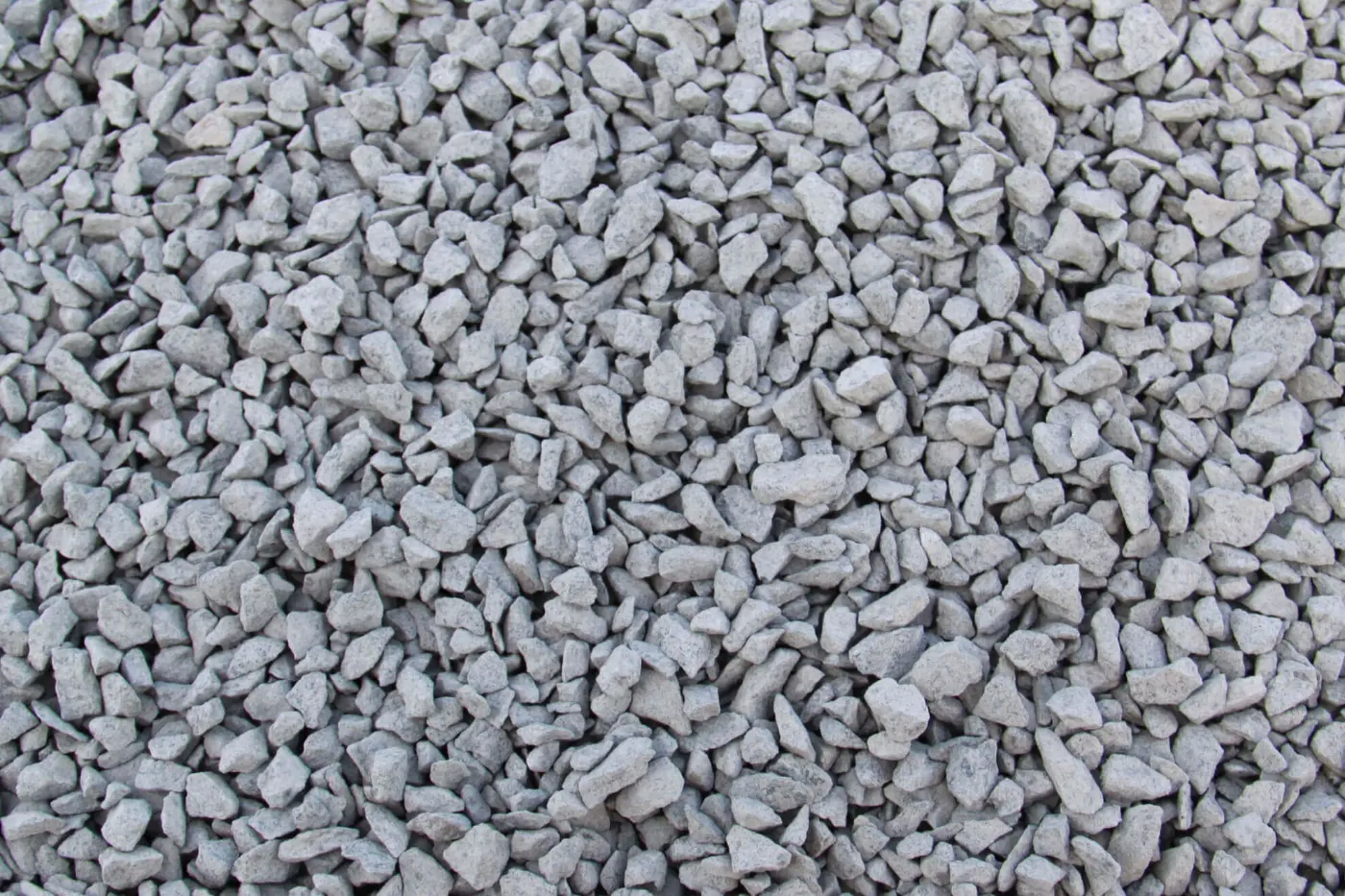 5mm Blue Metal
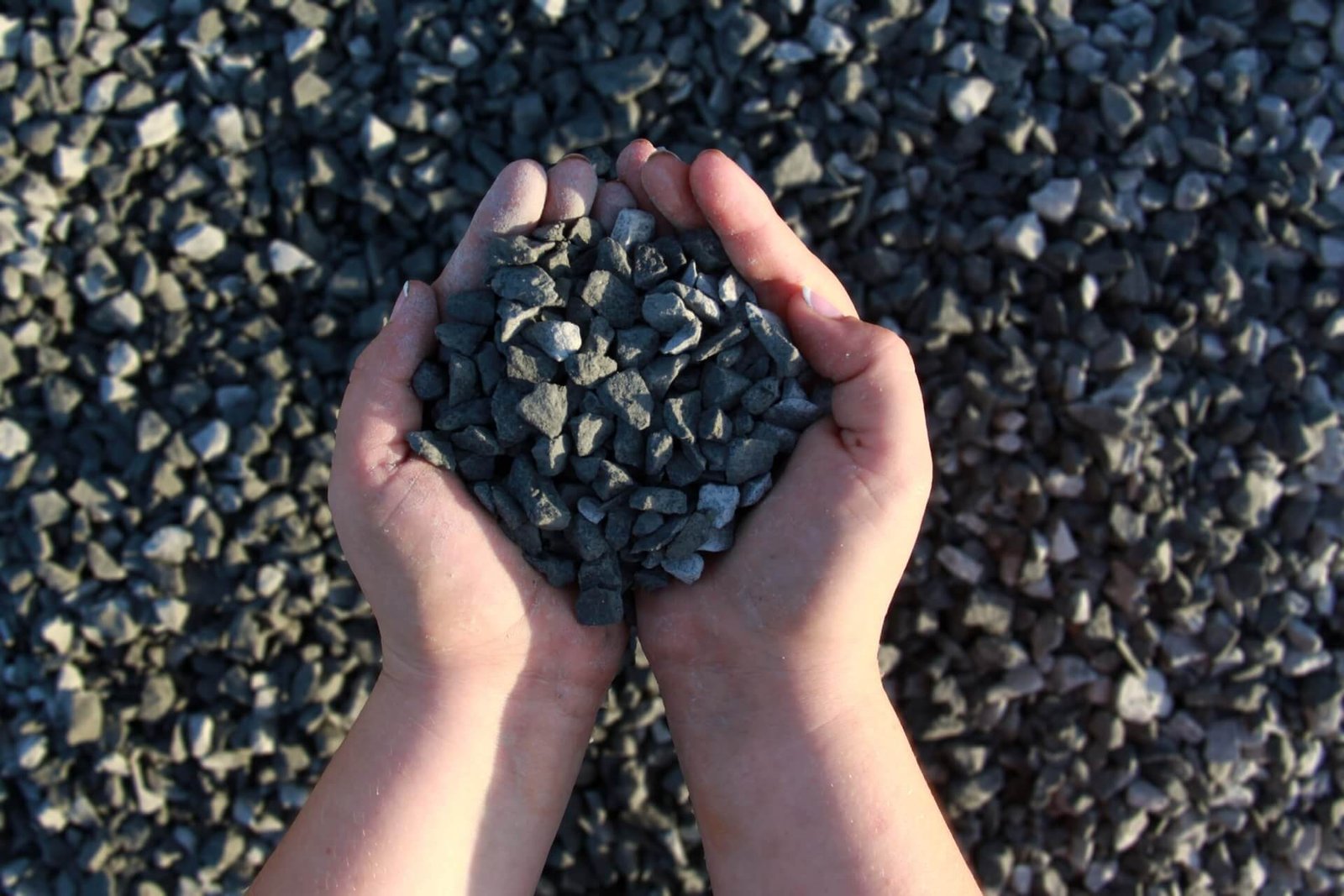 10mm Blue Metal
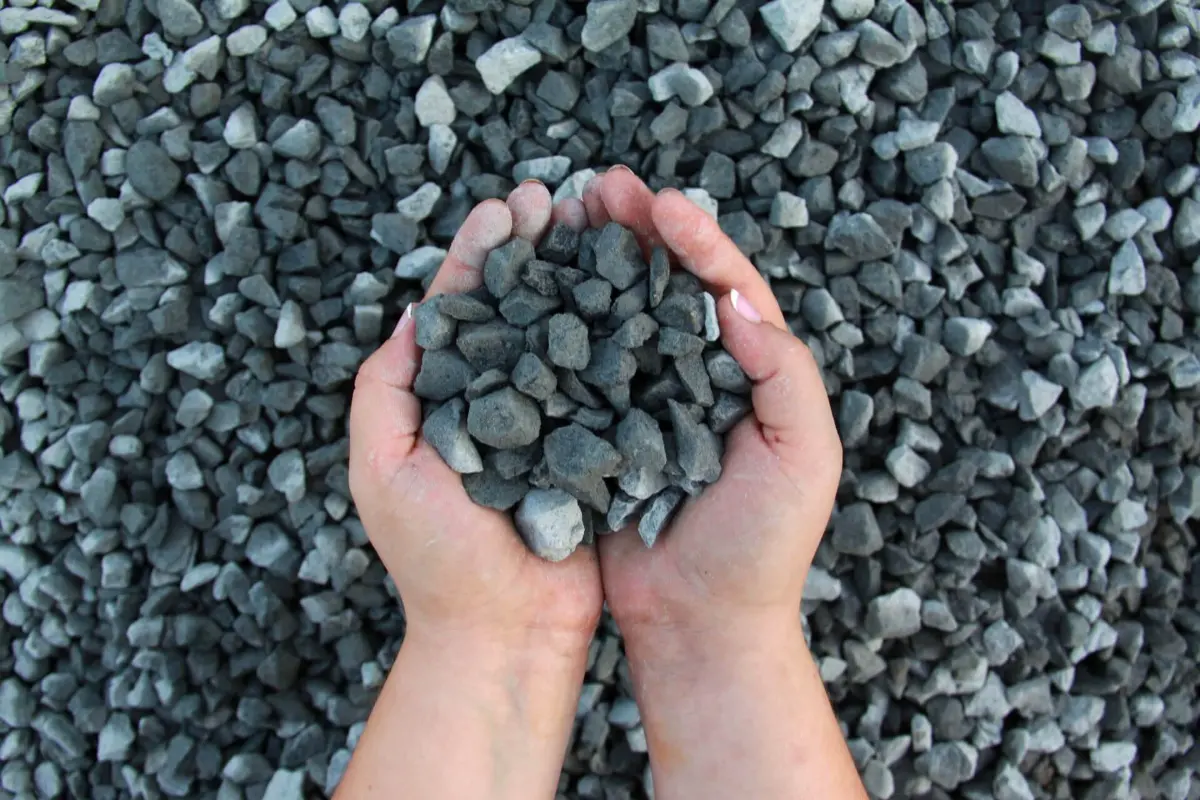 20mm Blue Metal
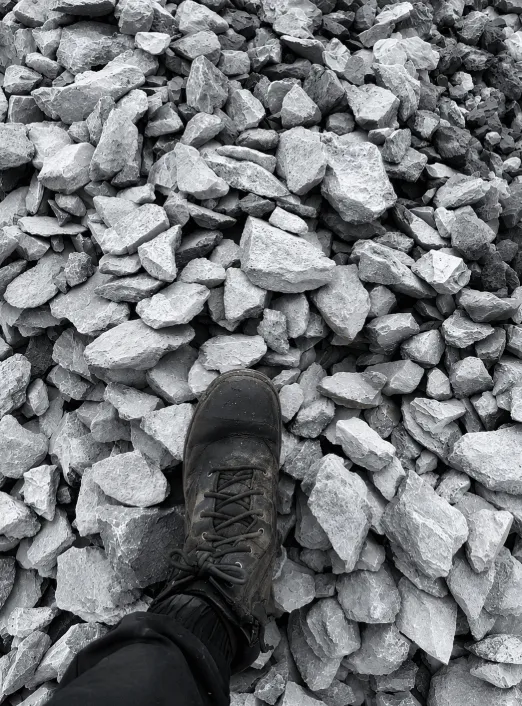 25–75mm Blue Rock
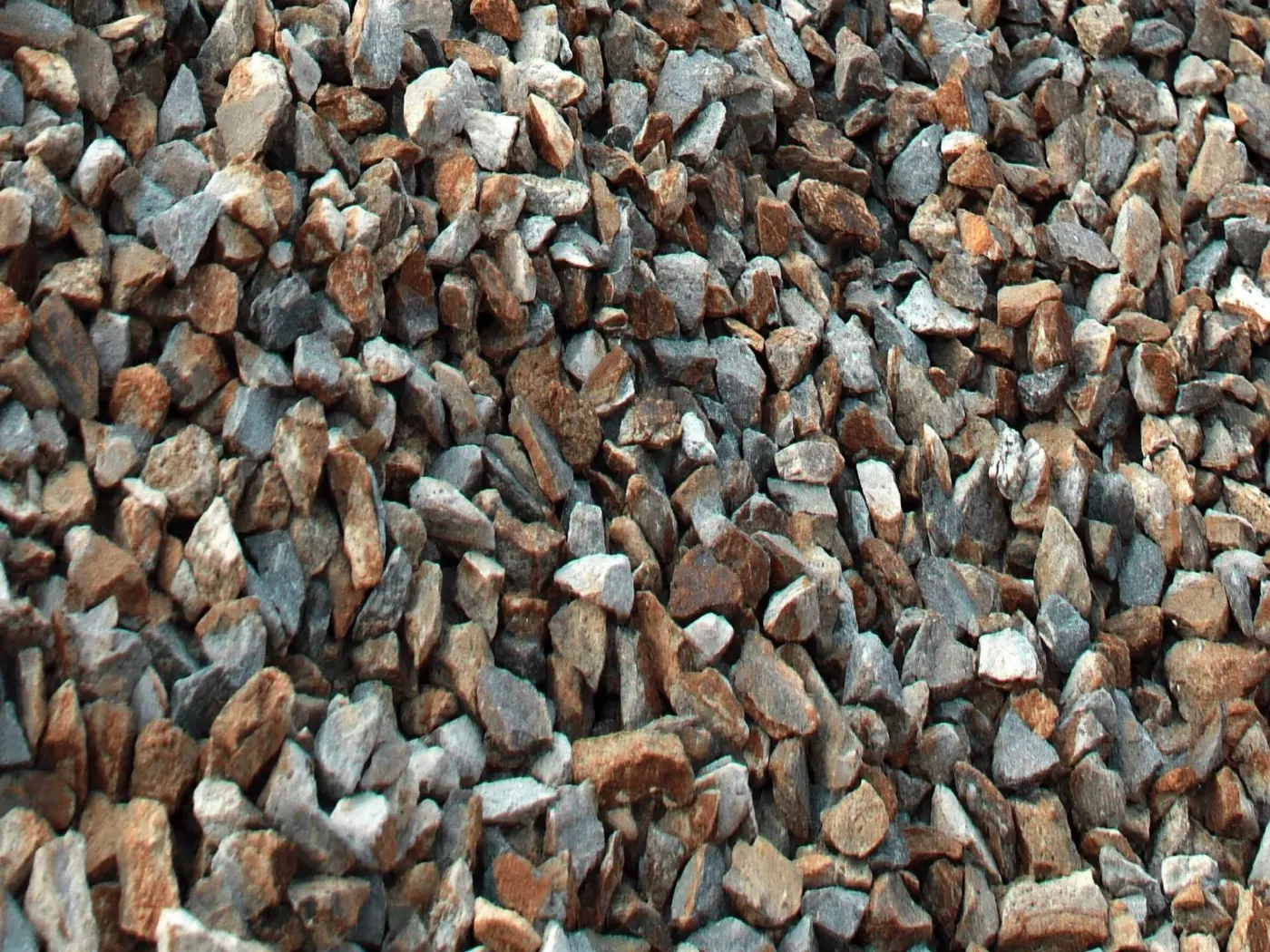 Multicolour Rock
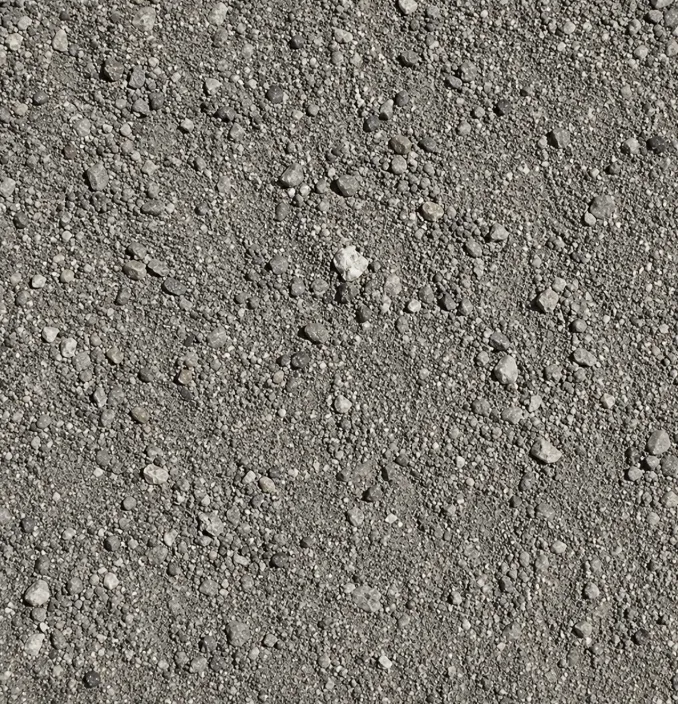 Recycled Concrete Crusher Dust
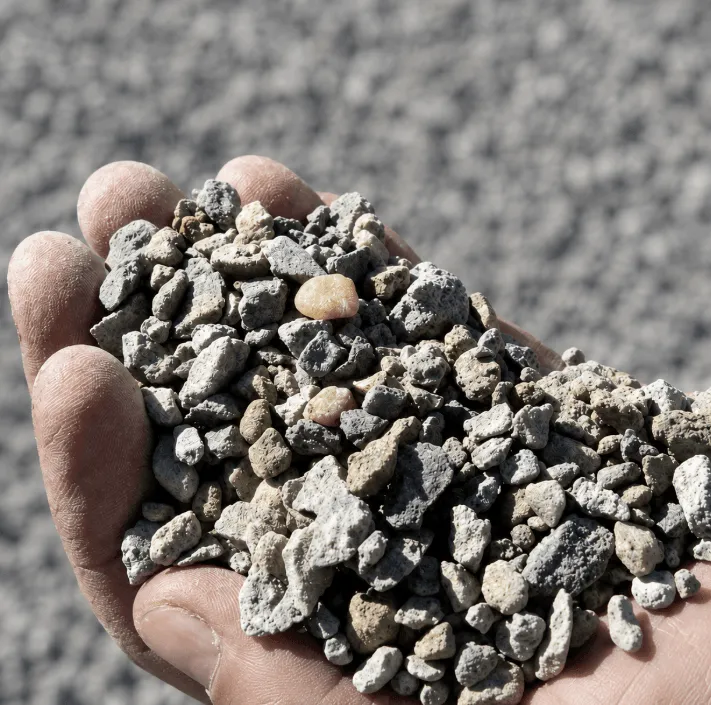 5mm Recycled Concrete
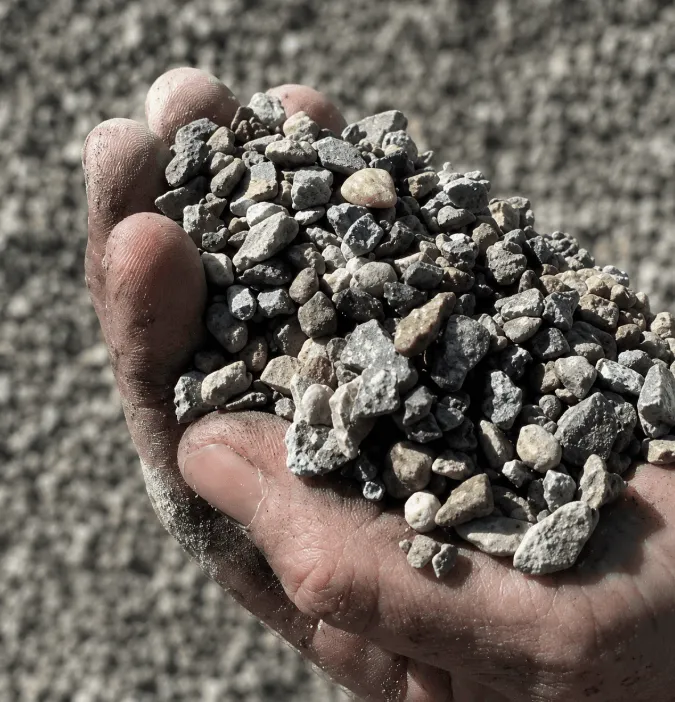 10mm Recycled Concrete
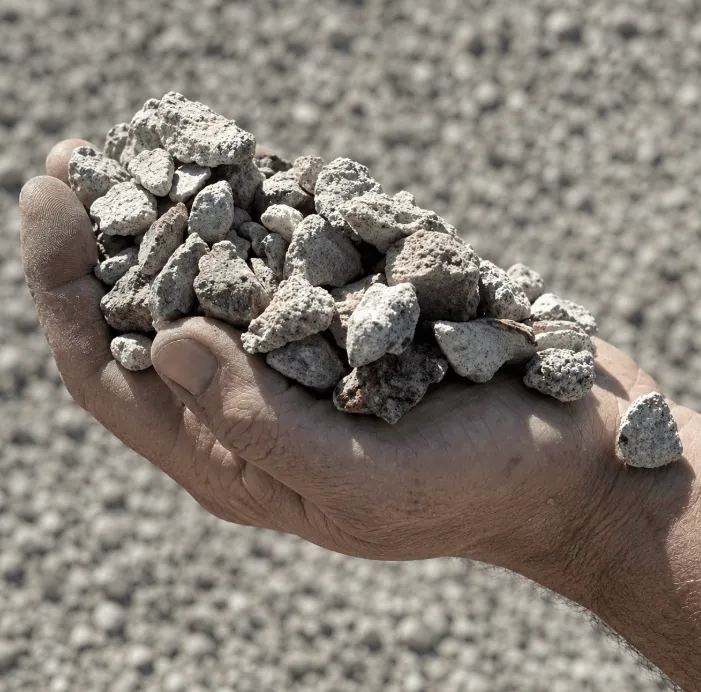 20mm Recycled Concrete
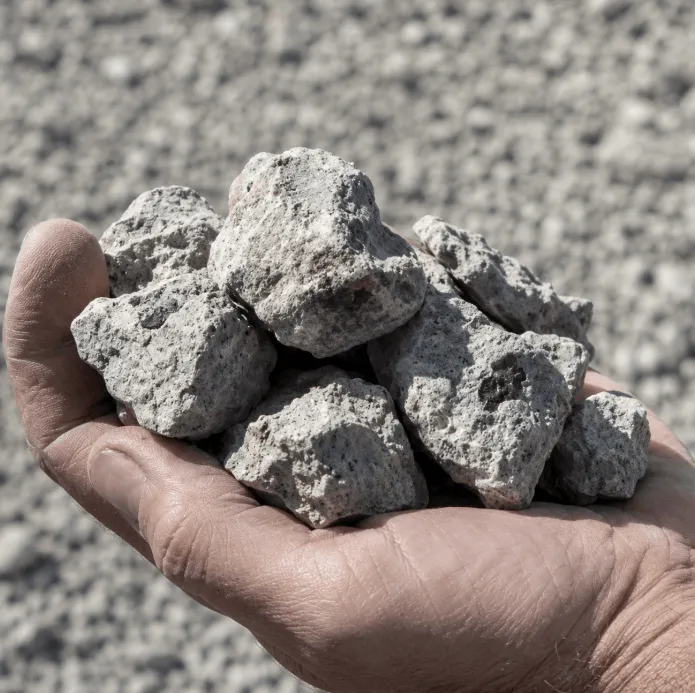 40–70mm Recycled Concrete
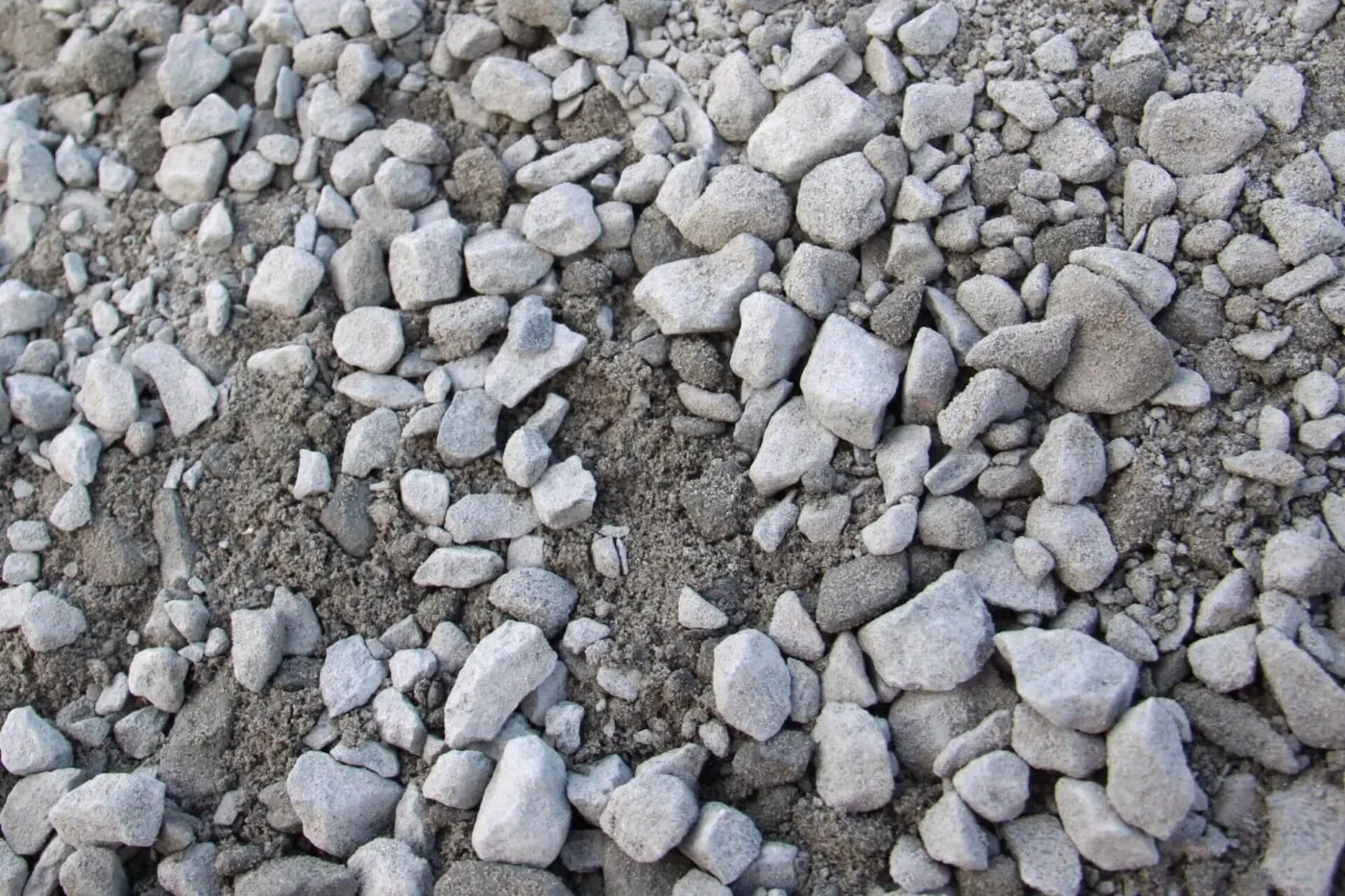 Concrete Blend
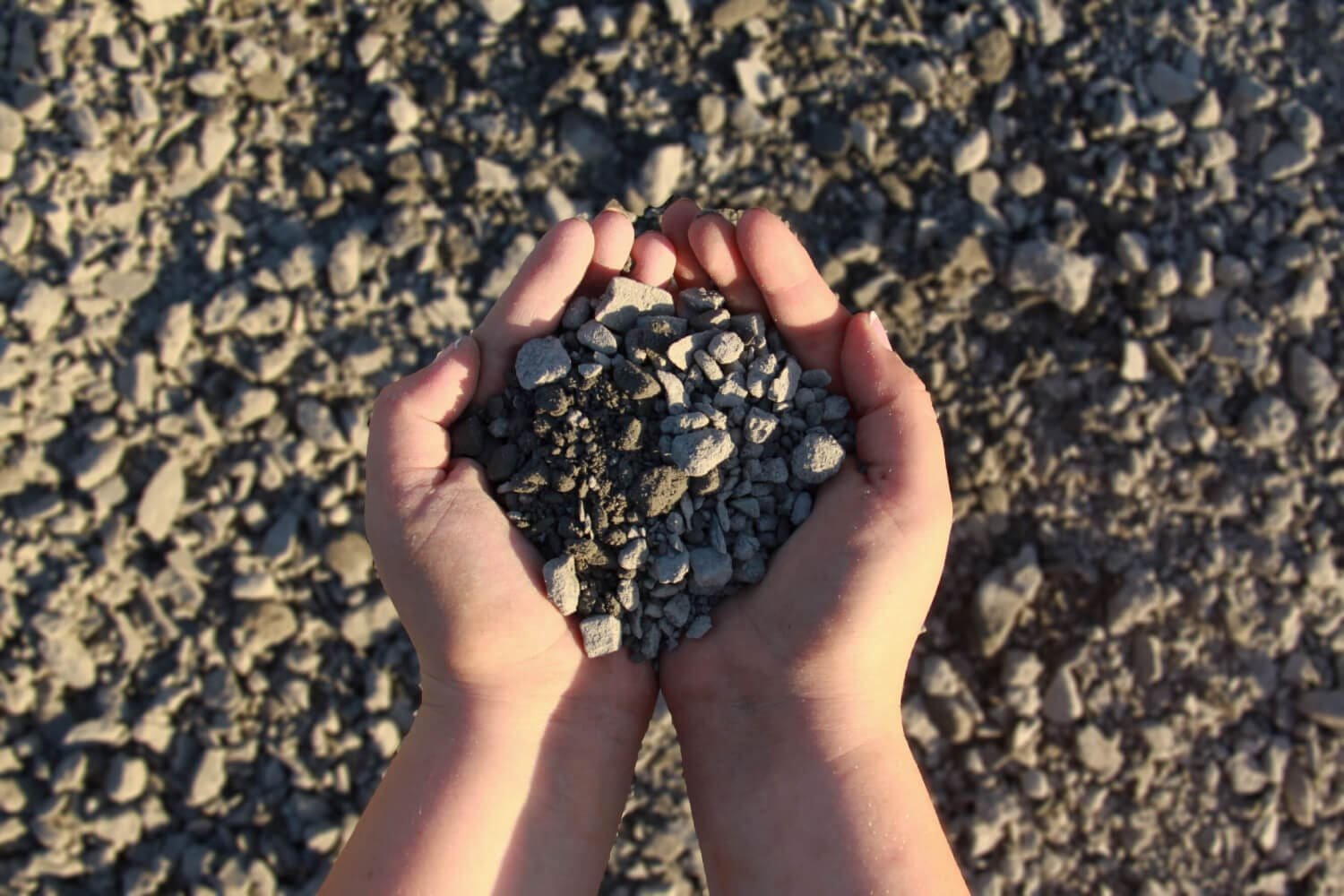 Road Base 2.1 – CBR80
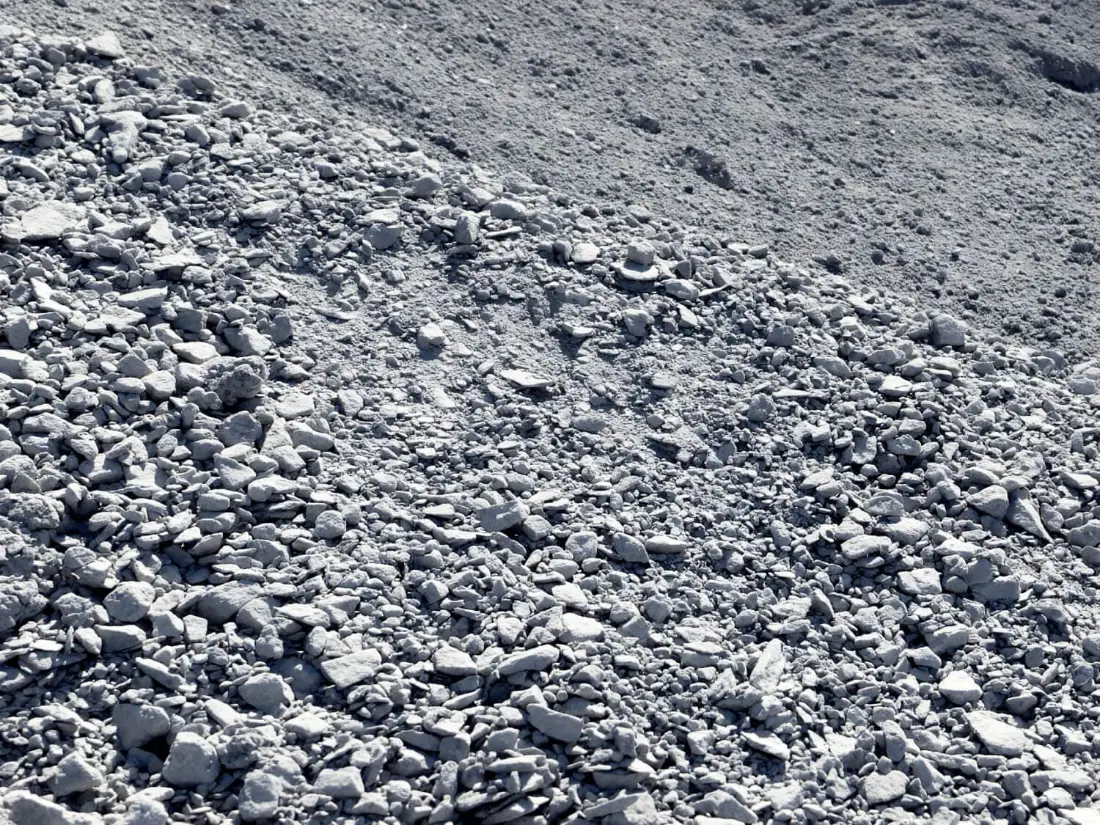 Road Base 2.3 – CBR45
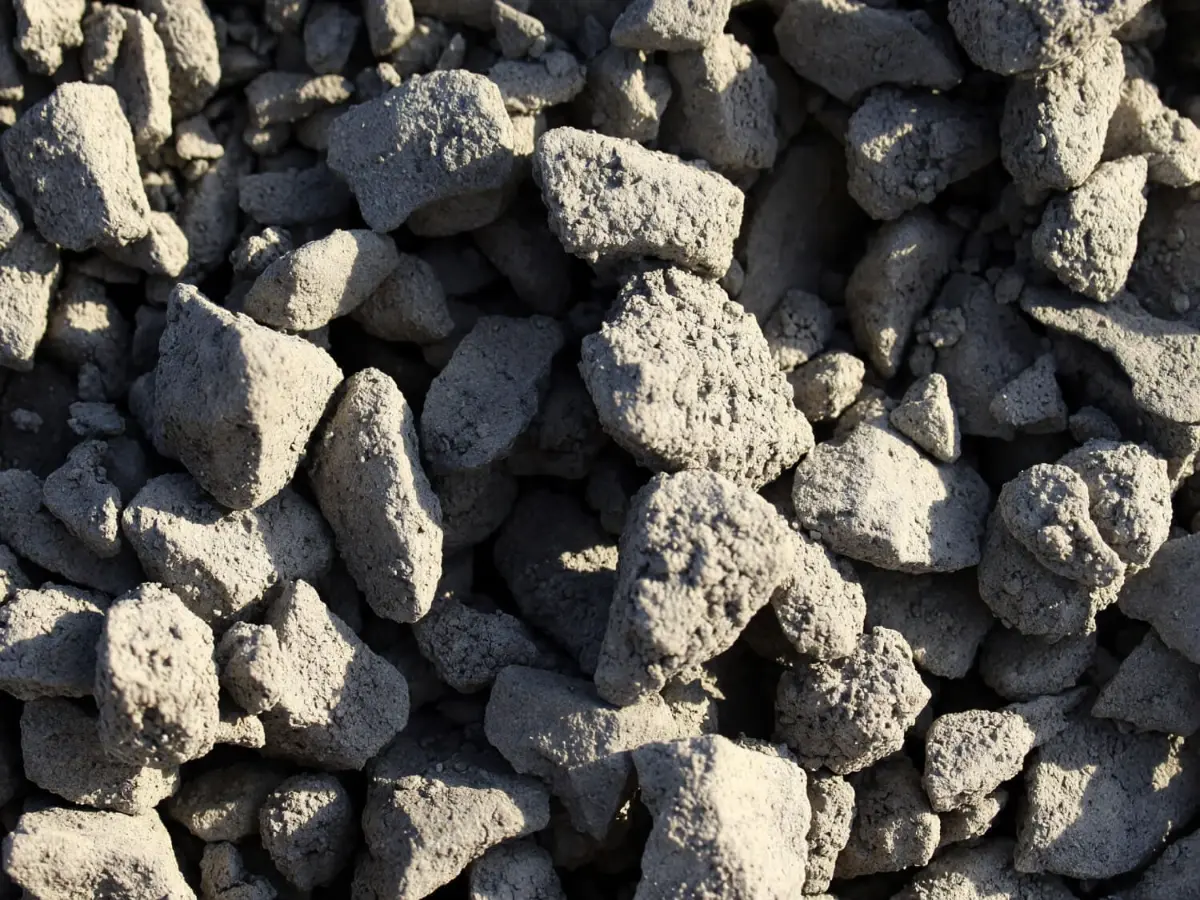 Road Base 2.5 – CBR15
By the Bulk Landscape Supplies Brisbane team · Last reviewed 1 October 2026
Quick match: job to sand
| Job | Sand to use |
|---|---|
| Paver bedding and joints | Bedding Sand or Coarse Sand |
| Concrete, grout and screeds | Coarse Sand |
| Bricklaying mortar | Brickies Loam |
| Rendering and plastering | Bedding Sand (plaster sand) |
| Pipe backfill | Bedding Sand |
| Electrical cable bedding | Electrical Sand |
| Septic systems | AES Sand |
| Water and stormwater filtration | Bio Media Sand |
| Levelling lawns | USGA Top Dress Sand |
Fine or sharp?
Fine sands, like bedding sand and brickies loam, pack smoothly and bind well, so they suit paver beds, plastering and mortar. Coarse sand has sharper, larger grains that lock together with cement for strong concrete and grout, and help heavy clay soils drain.
Sand for pavers
Screed about 30mm of bedding sand over a compacted base, lay the pavers, then sweep fine sand into the joints. Our paving guide covers the full process.
Specialty sands
Electrical, AES and bio media sands are made for specific systems. If your engineer, electrician or septic installer has given you a specification, send it through with your quote request so we can match it.
Common questions
What is the difference between bedding sand and coarse sand?
Bedding sand is fine and smooth, for paver beds, pipe backfill and rendering. Coarse sand is sharper, for concrete, grout and mortar, and for opening up clay soil.
What sand do I use for brick mortar?
Brickies Loam. It is a fine blend that sticks to bricks and sets hard.
What sand goes under pavers?
Bedding sand, screeded about 30mm deep over a compacted road base or crusher dust.
How much sand to order
Under pavers, bedding sand is usually screeded 20–30mm deep, so 10 m² of paving needs roughly 0.2–0.3 m³. For mortar and concrete, the amount depends on the mix your bricklayer or concreter uses, so ask them for a quantity. Our volume calculator handles area-based jobs.
Storing sand on site
Tip sand on a flat, firm spot away from gutters and stormwater drains, and cover it with a tarp if rain is forecast. Uncovered sand can wash into drains, which councils take seriously, and wet sand is heavier and harder to work. Keeping it covered also stops leaves and soil getting mixed in.
Specialty sands need a specification
Some sands are chosen to meet a design rather than by look or feel. Sand for septic and on-site wastewater systems, cable and pipe bedding, and pool filters should match what your designer, electrician or installer has specified. If you have a specification sheet, send it with your quote request and we will match the product to it.
Common mistakes to avoid
- Using fine bedding sand in concrete. It needs a coarser sand or a premixed concrete blend.
- Bedding pavers on brickies loam, which holds water and can stay soft.
- Ordering by weight when the job is measured in area and depth.
Ready to order? Work out the quantity and get a price.
Get a quote