
 Sir Walter Buffalo
 Soft Buffalo
 Wintergreen
 Zoysia
 Fertilised Top Dress
 USGA Top Dress Sand
 Under Turf Soil
 Premium Under Turf Soil
 Veggie Mix Organic Garden Soil
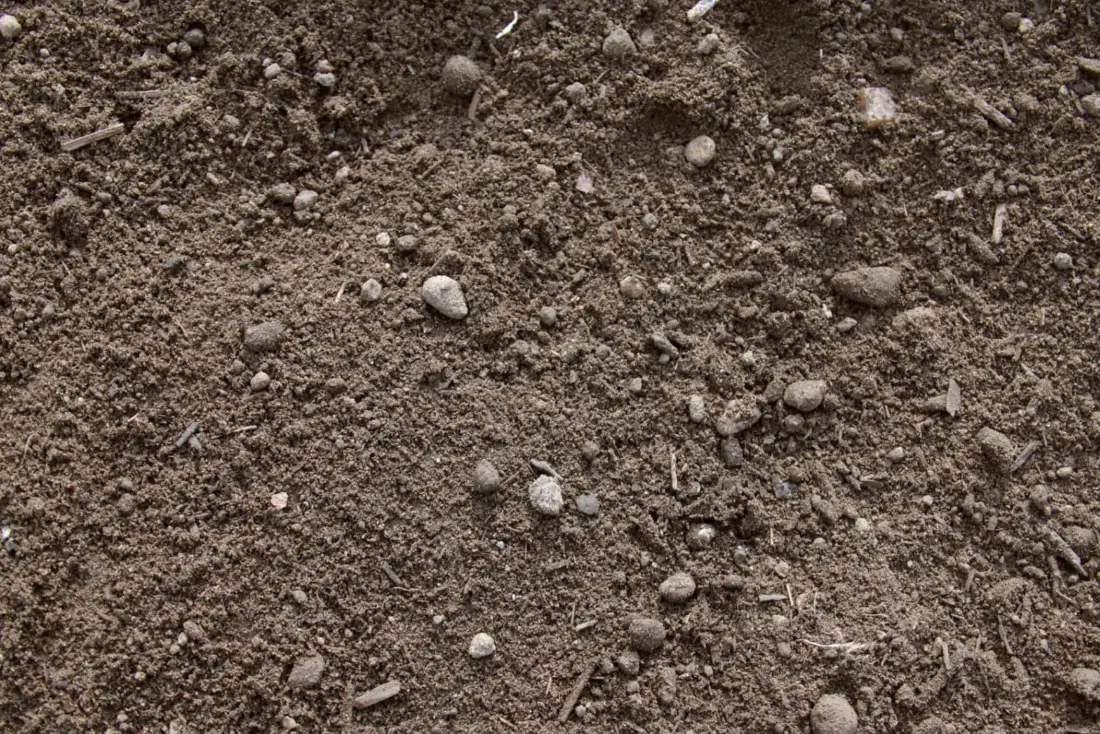 Ultra Premium Veggie Mix
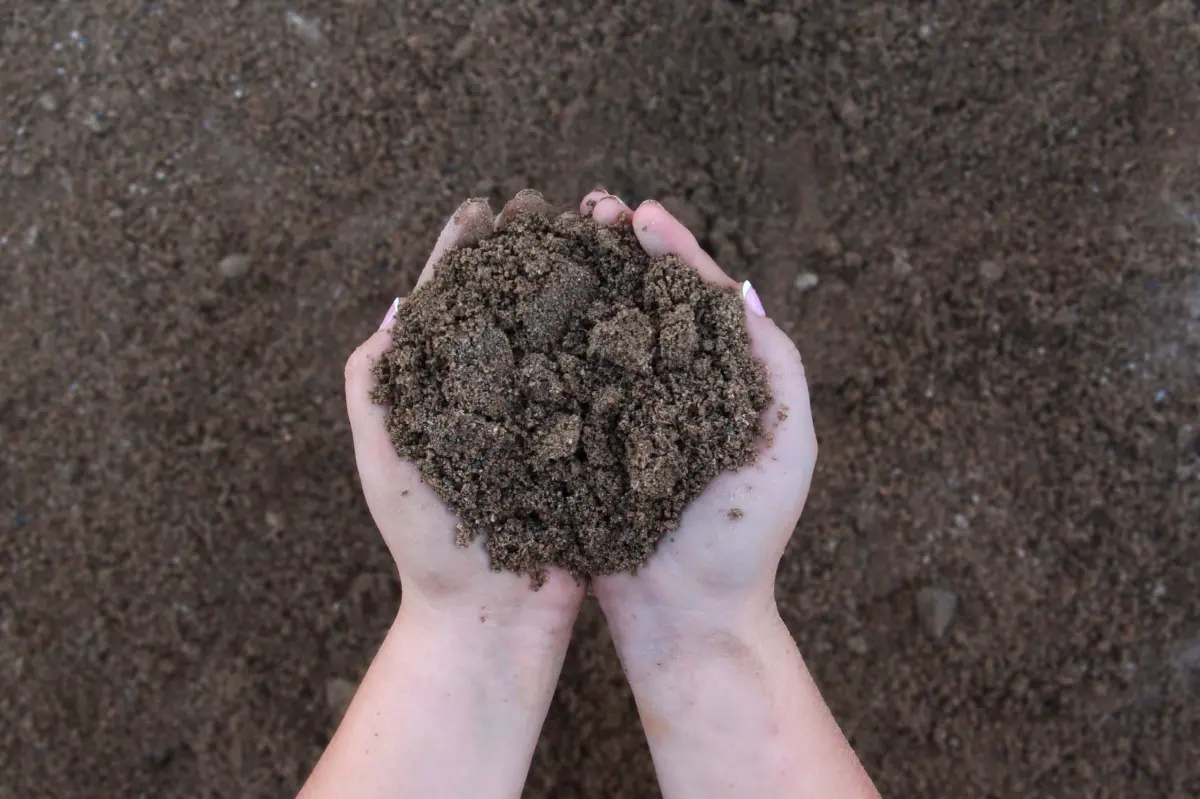 Premium Garden Soil
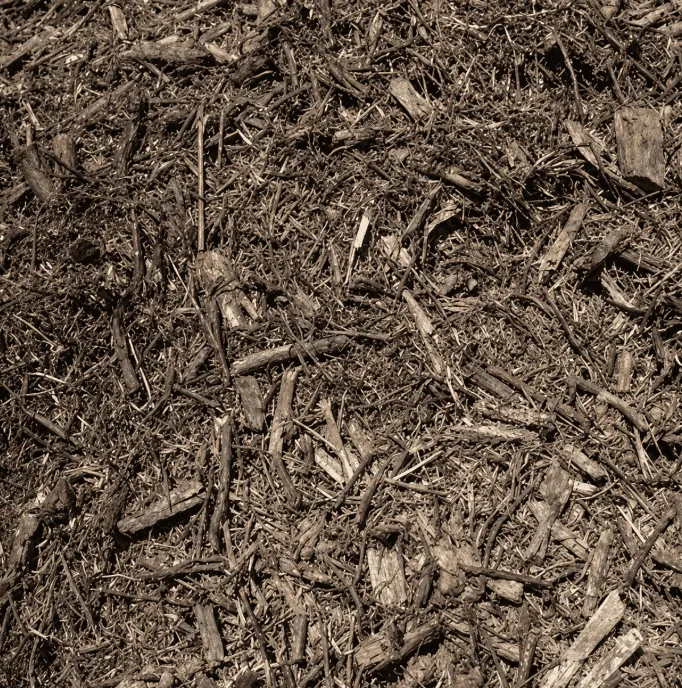 Tea Tree Mulch
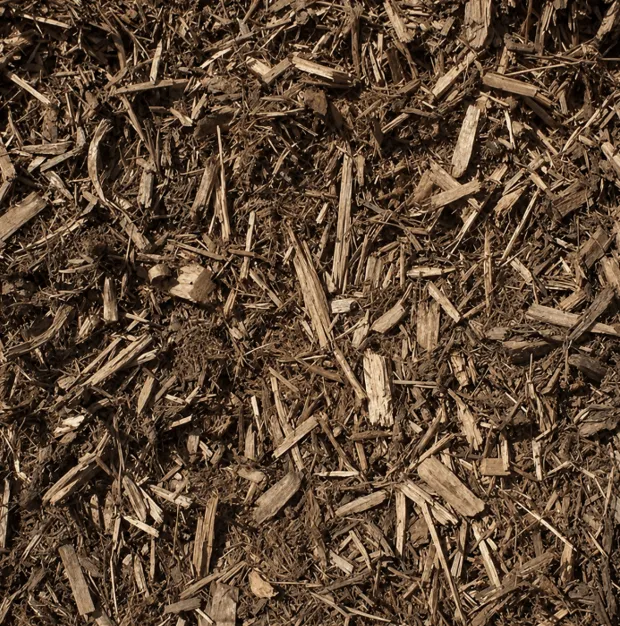 Cypress Mulch
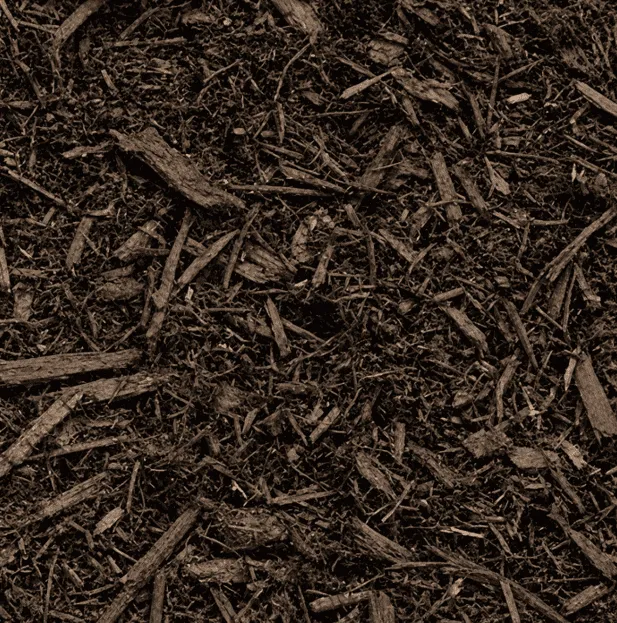 Forest Mulch
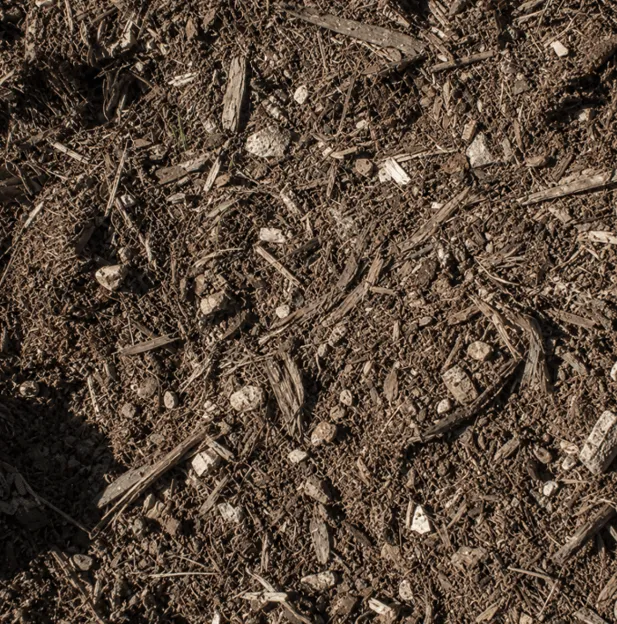 Forest Mulch Double Grind
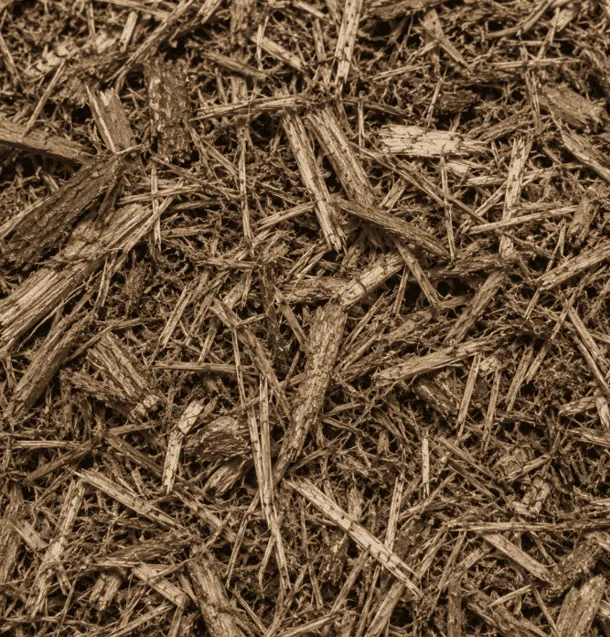 Tub Grind Mulch Coarse
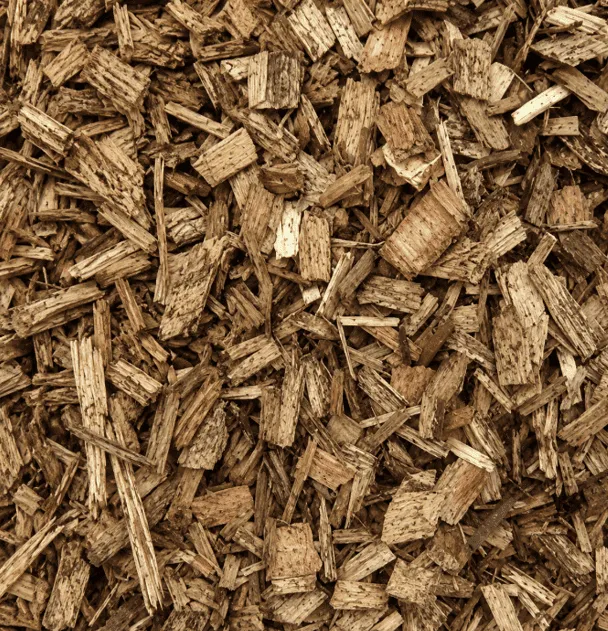 Hardwood Chip
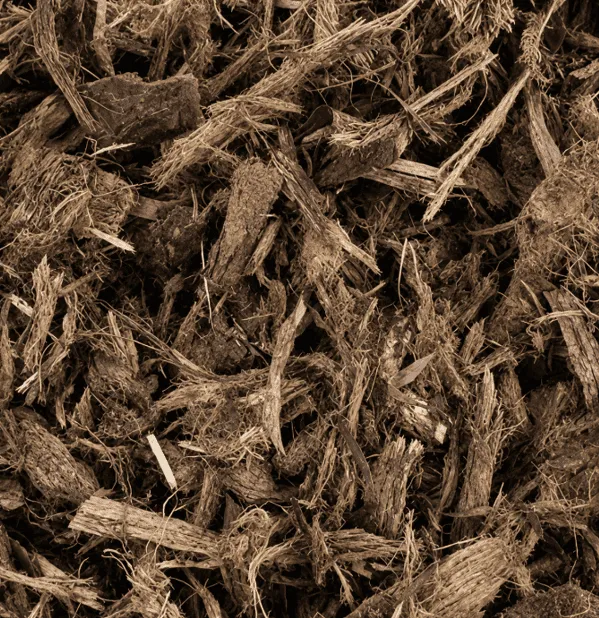 Hoop Bark 1–2 Inch
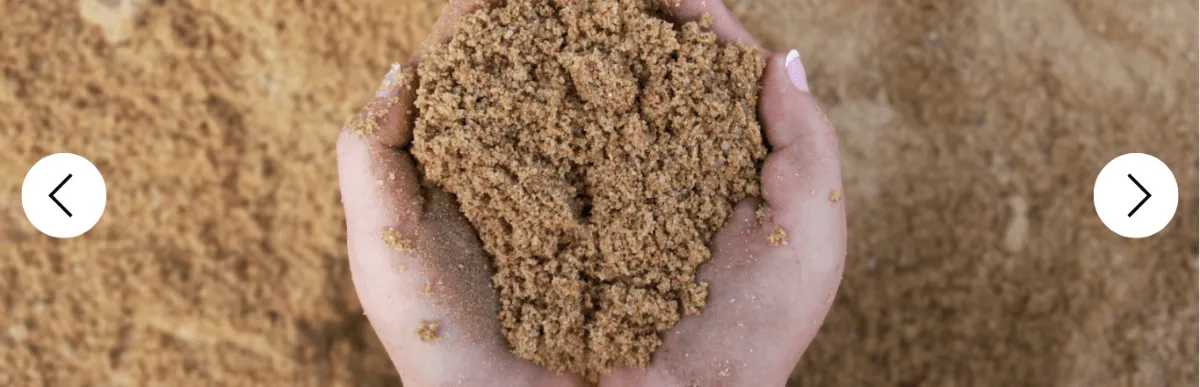 AES Sand
 Bedding Sand
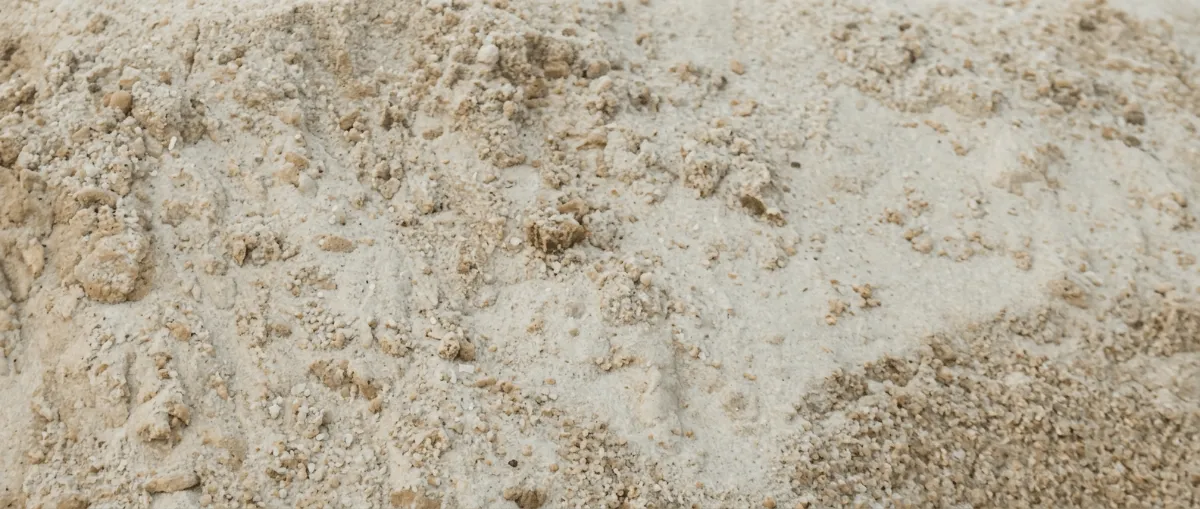 Bio Media Sand
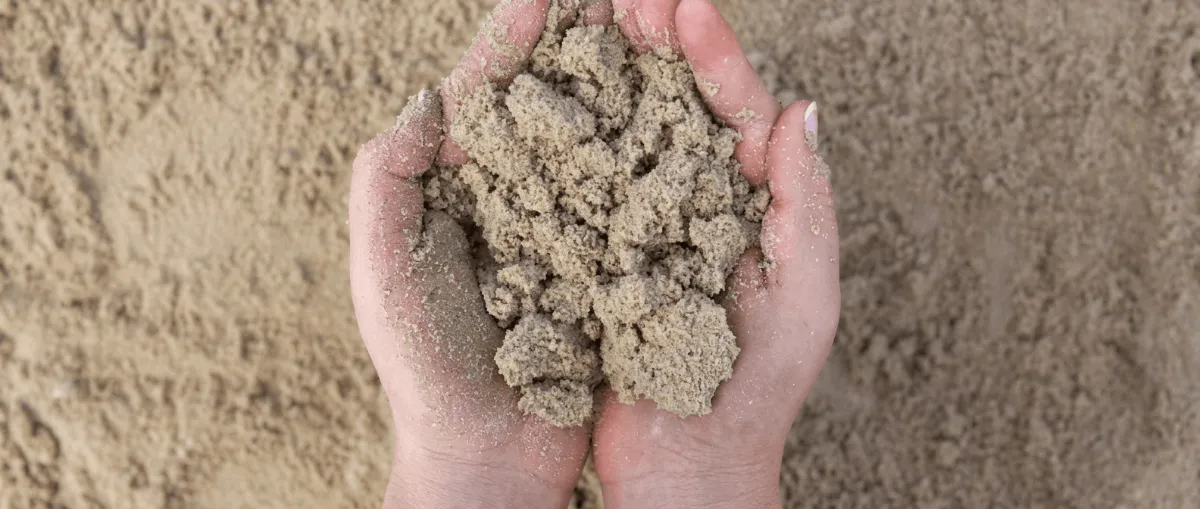 Brickies Loam
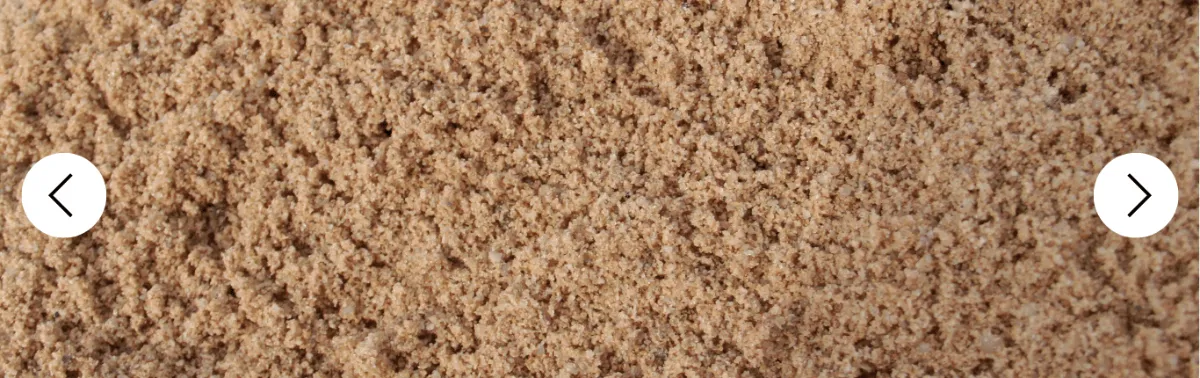 Coarse Sand
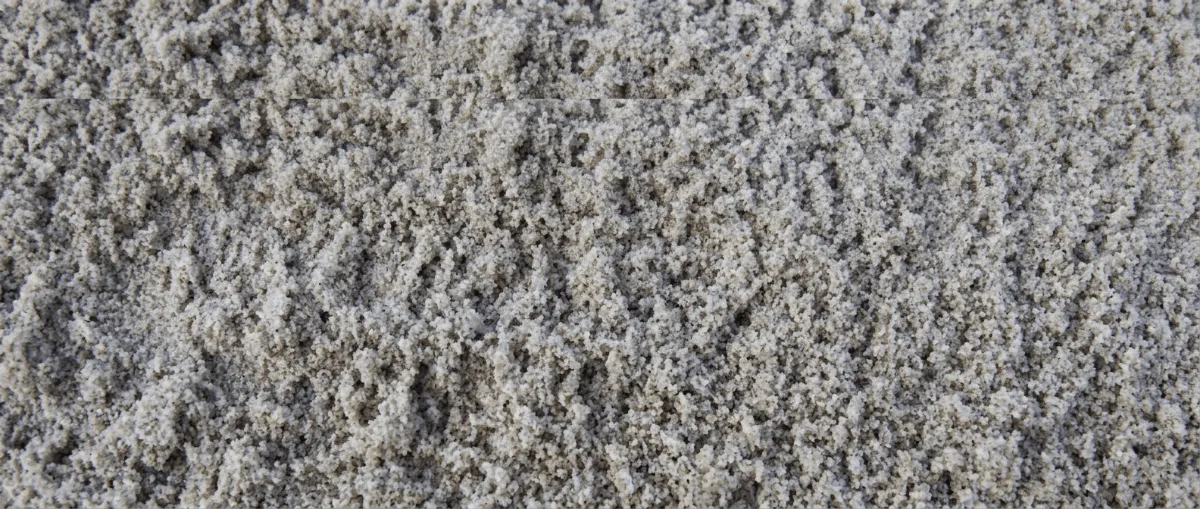 Electrical Sand
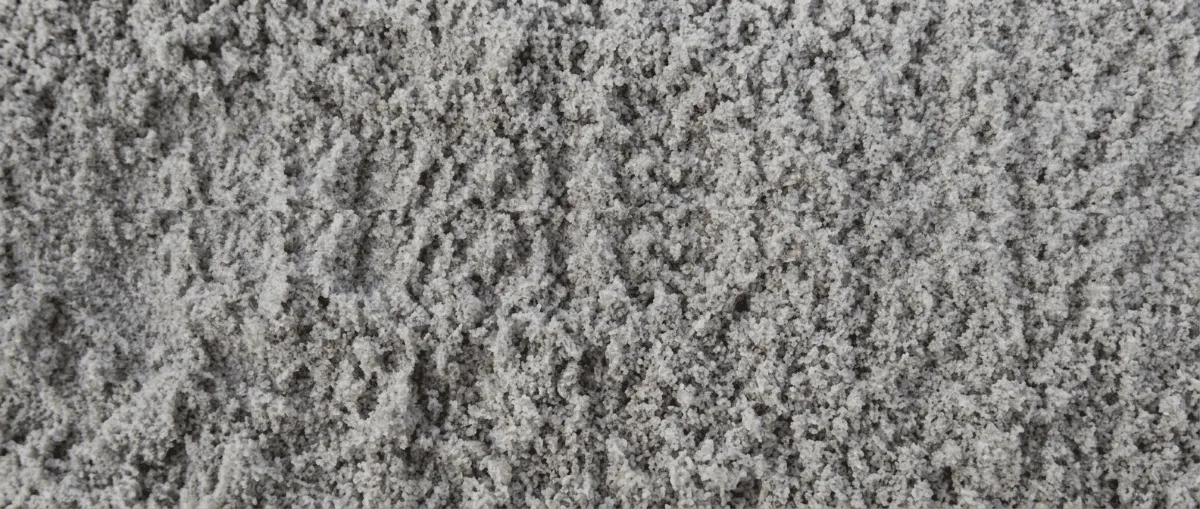 USGA Top Dress Sand
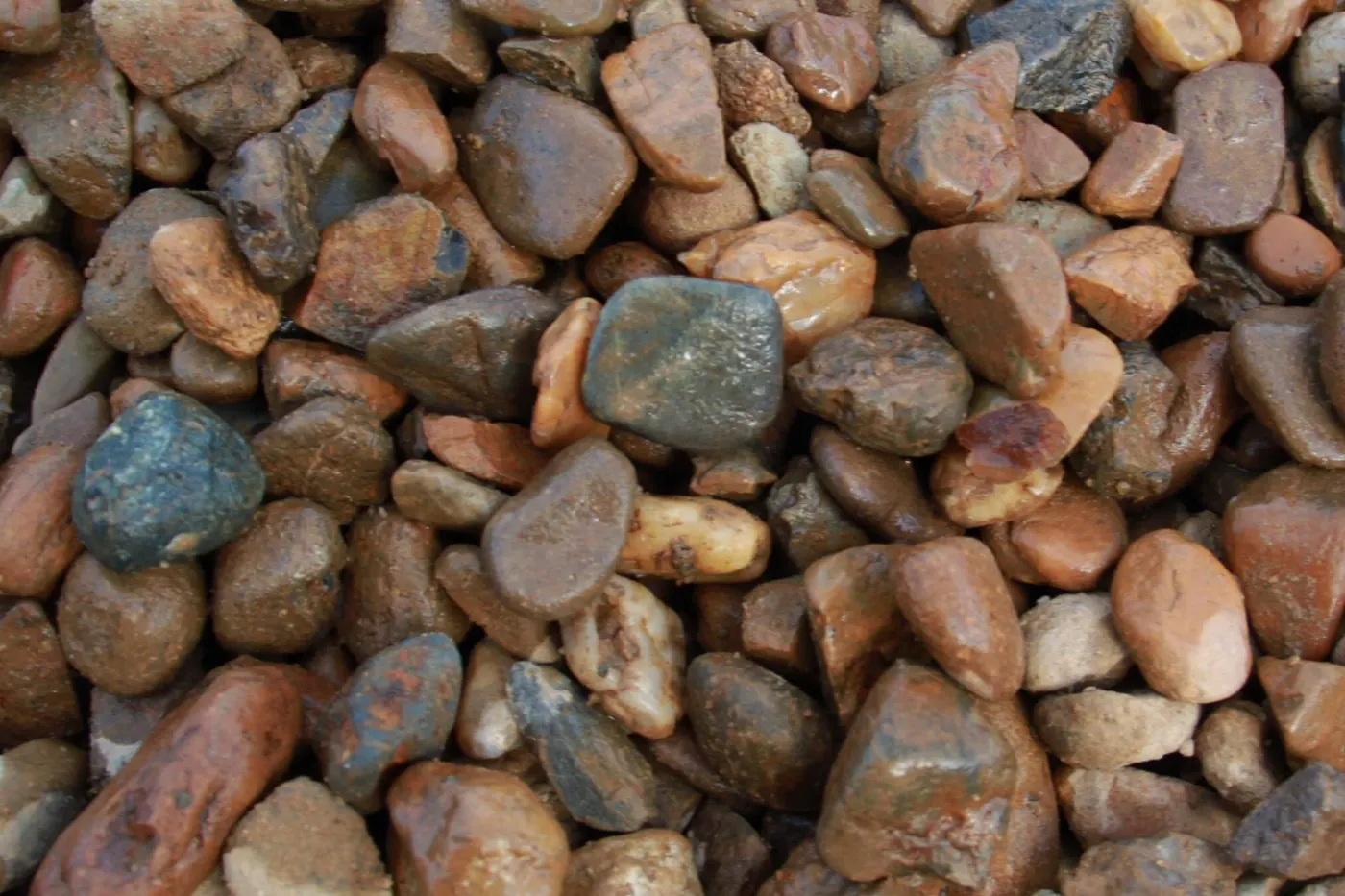 20mm River Stone
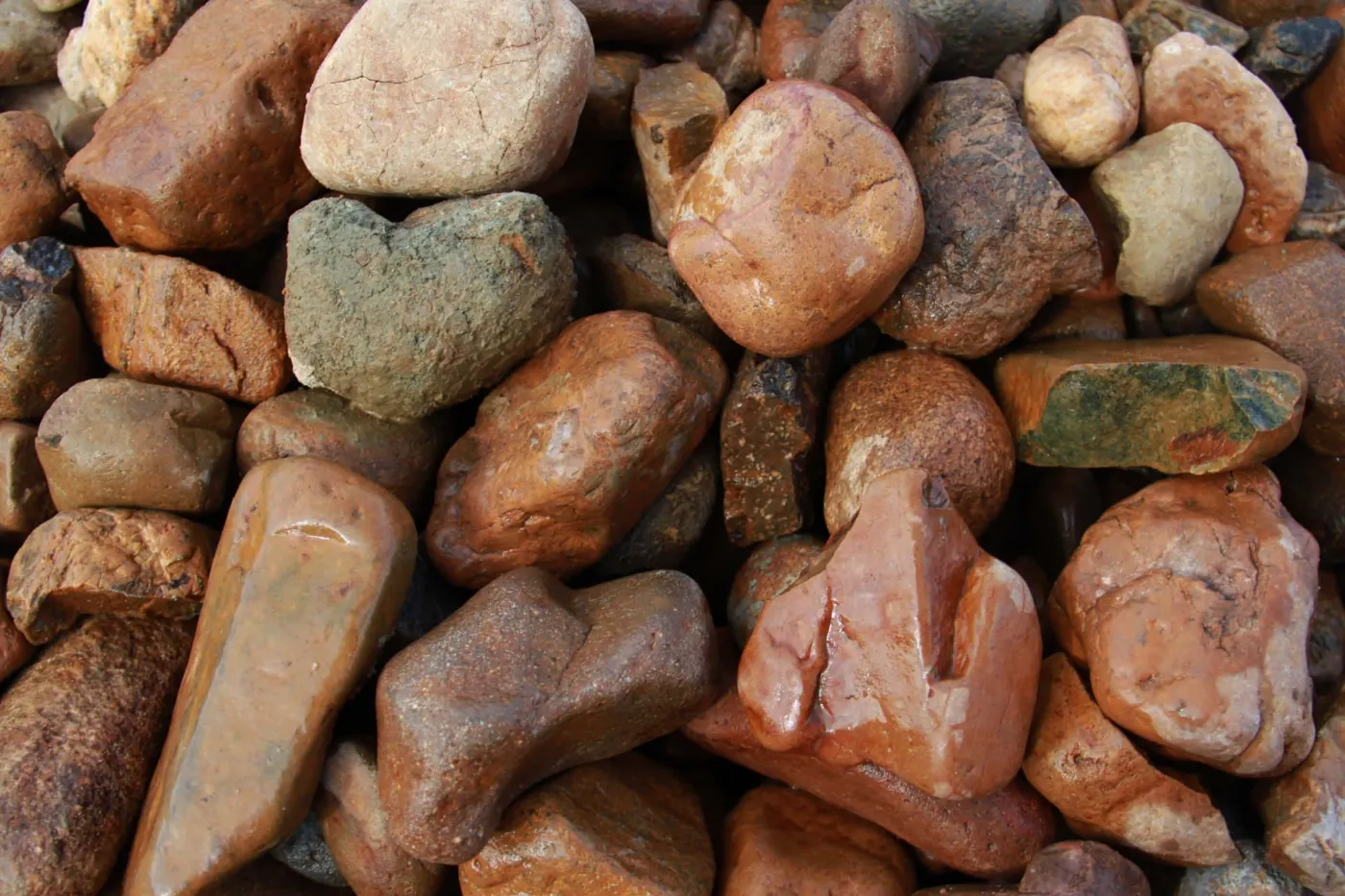 40–80mm River Stone
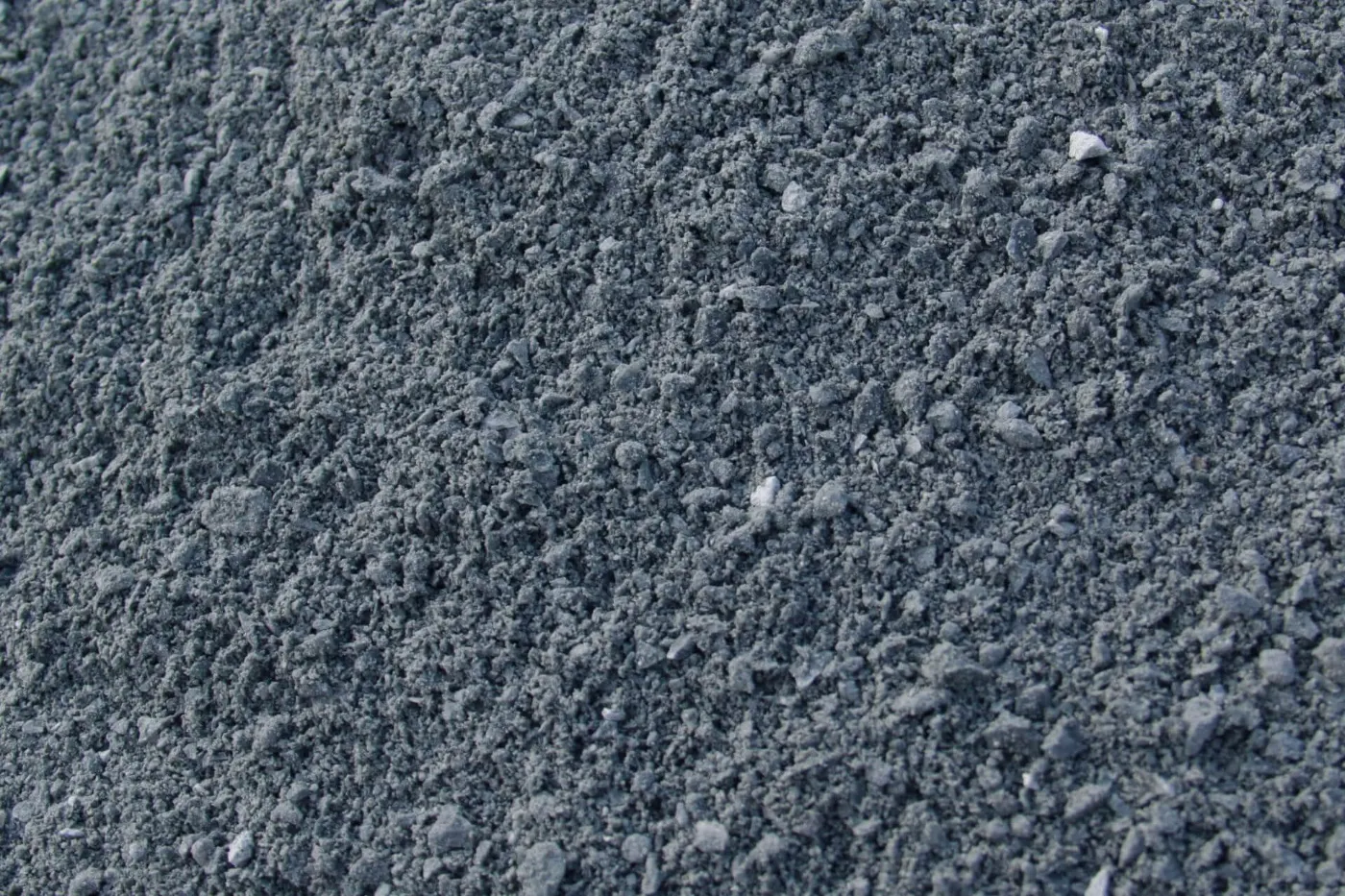 Blue Metal Crusher Dust
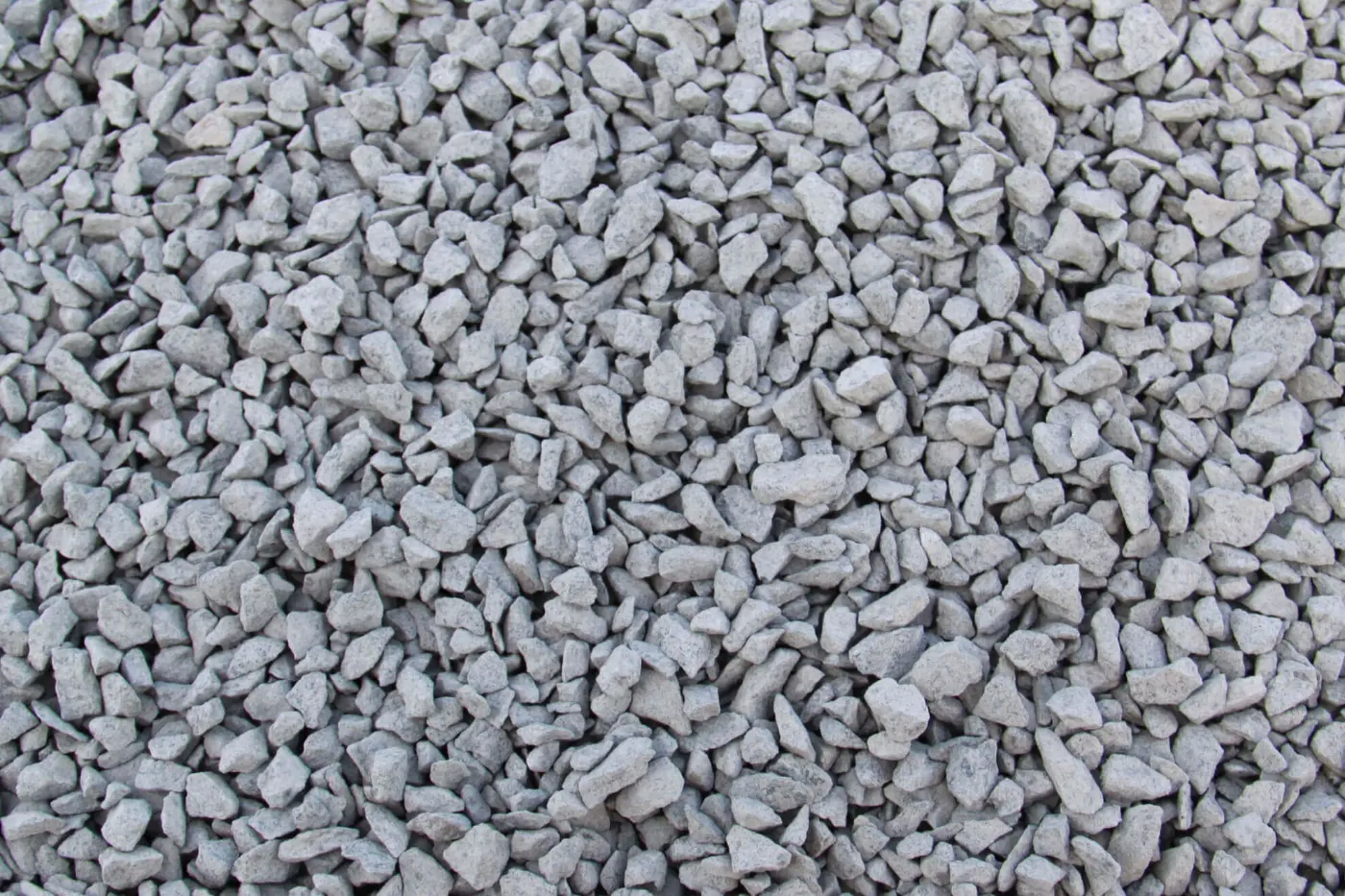 5mm Blue Metal
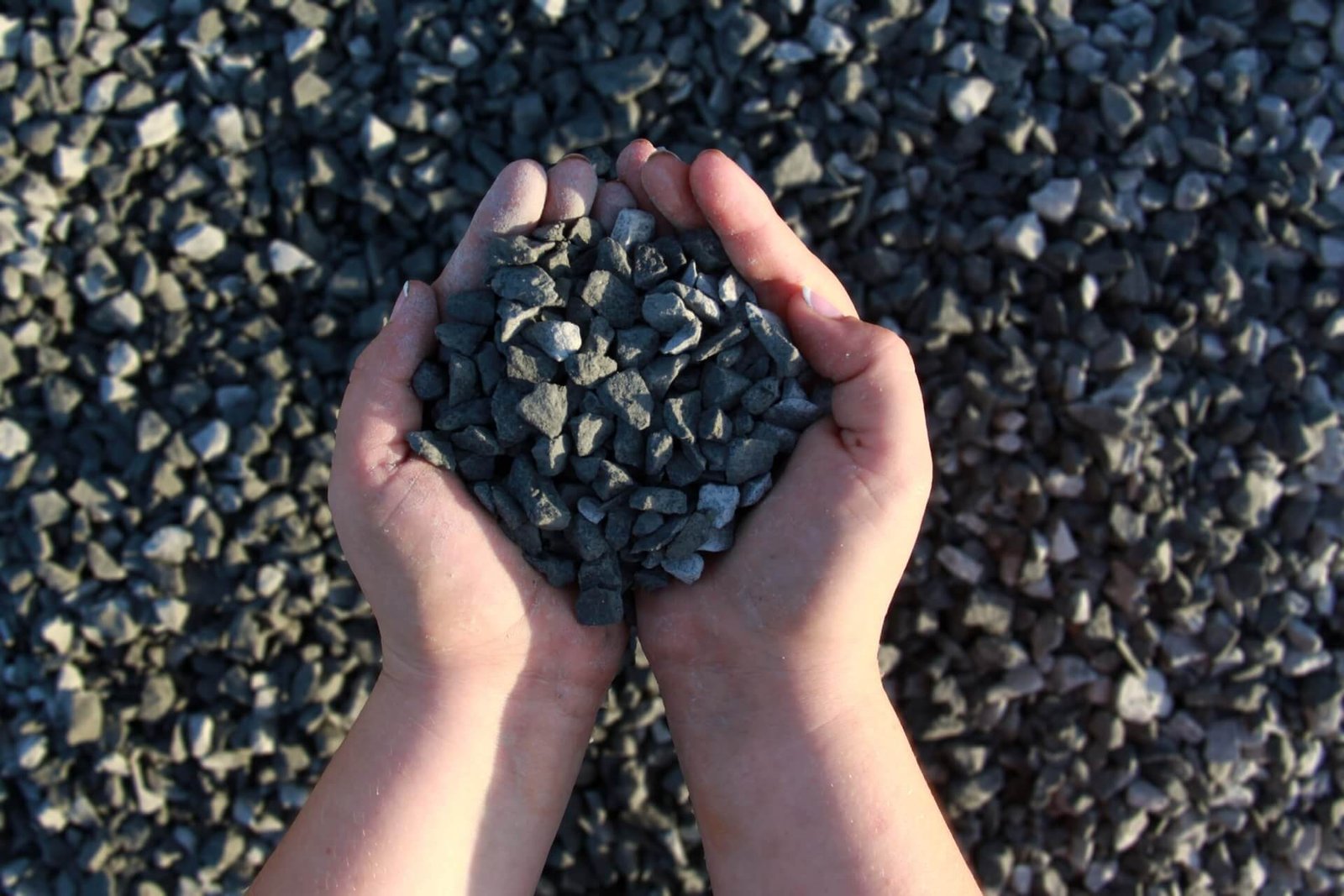 10mm Blue Metal
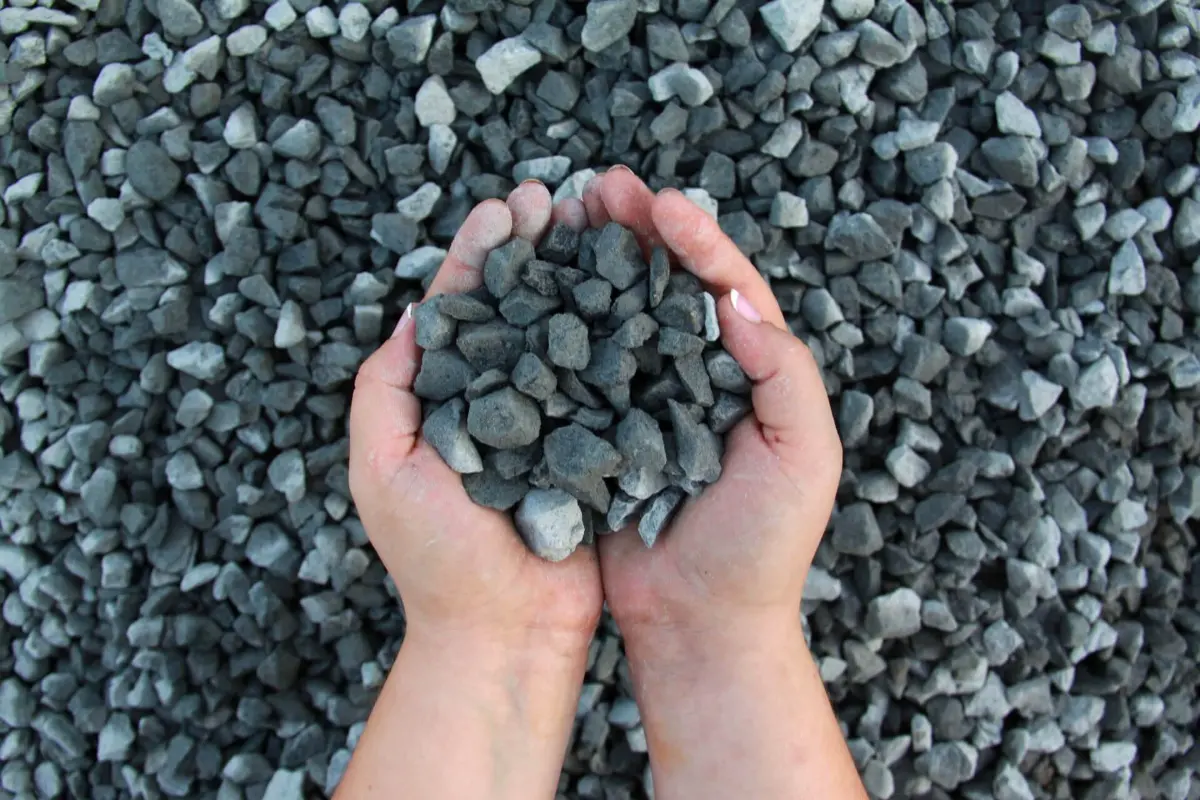 20mm Blue Metal
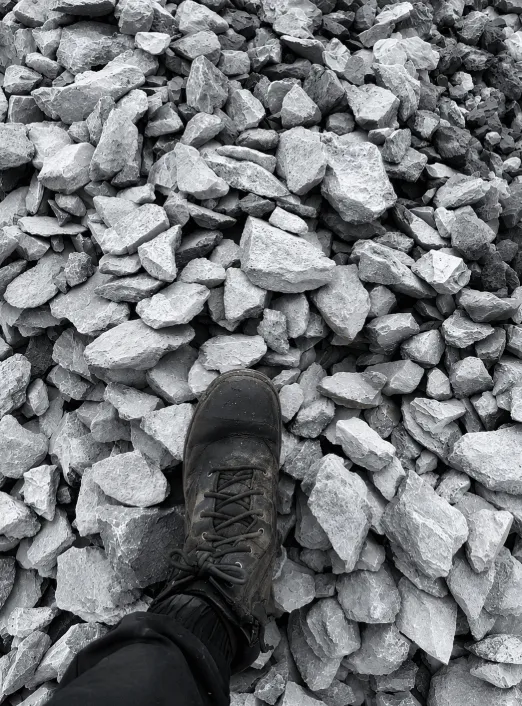 25–75mm Blue Rock
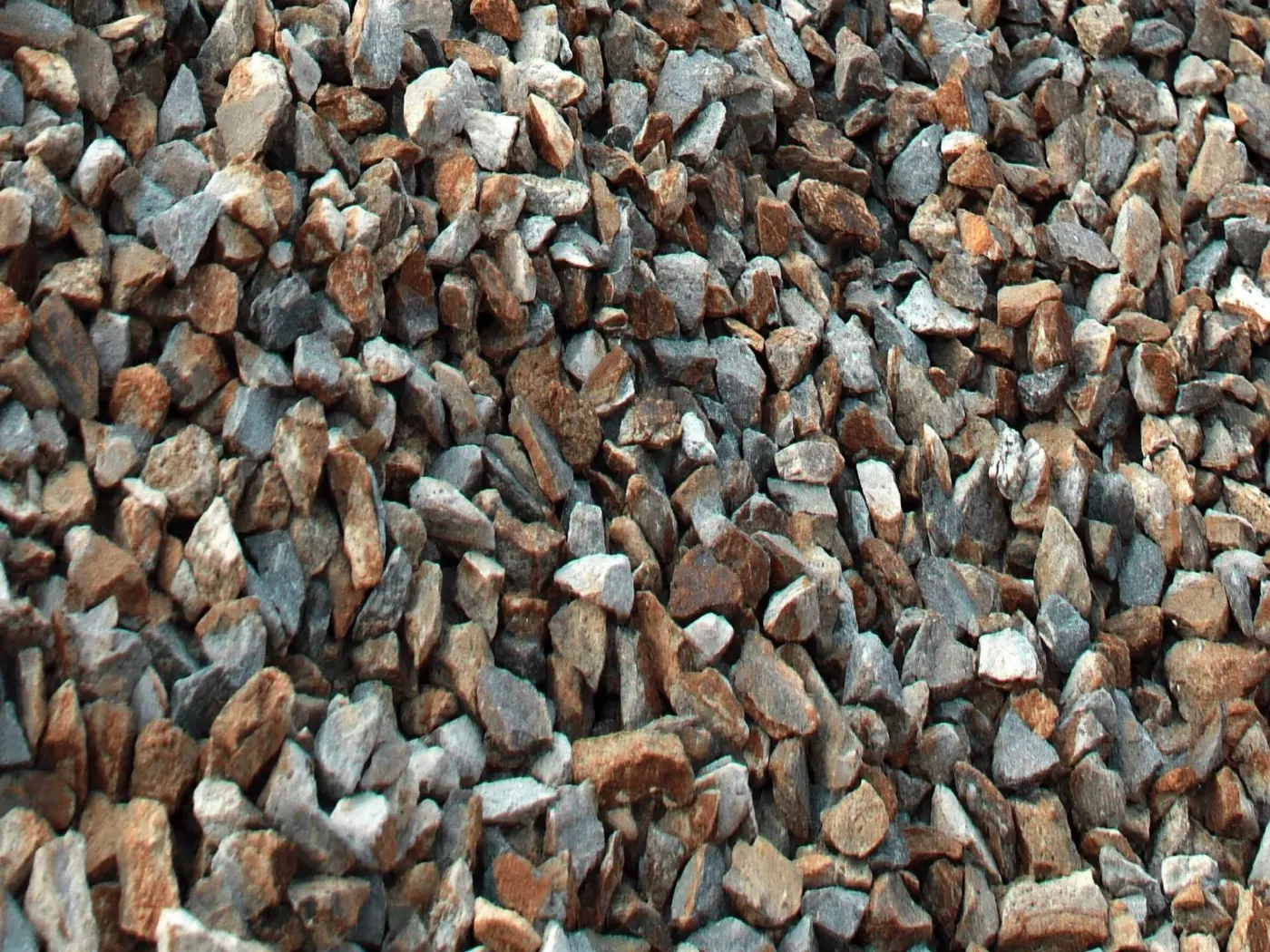 Multicolour Rock
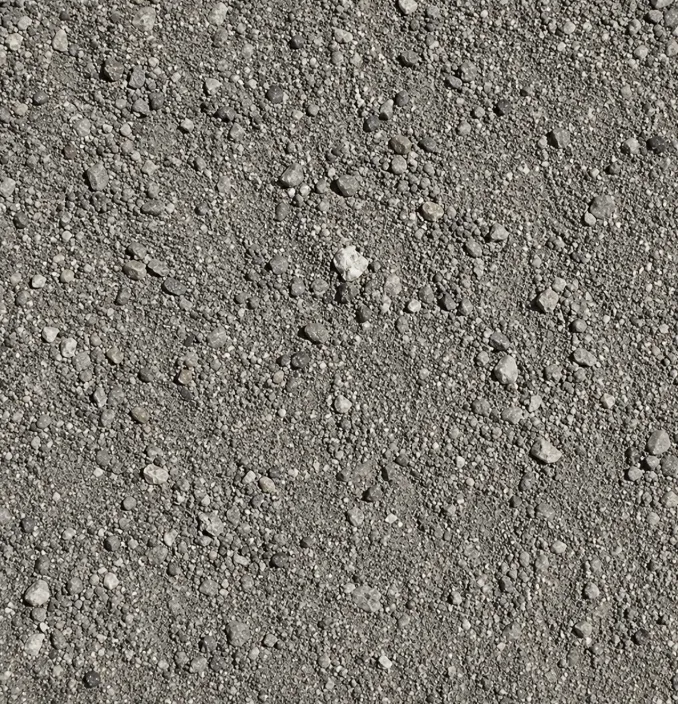 Recycled Concrete Crusher Dust
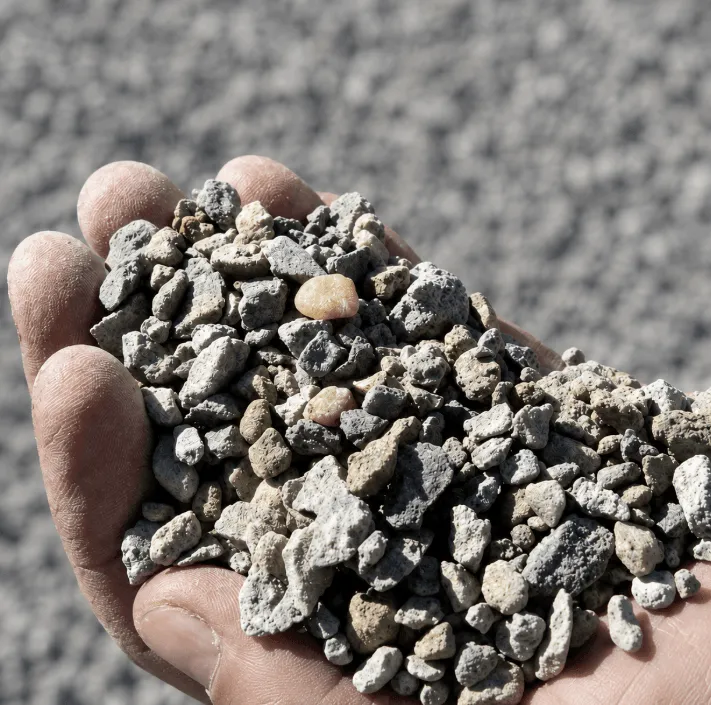 5mm Recycled Concrete
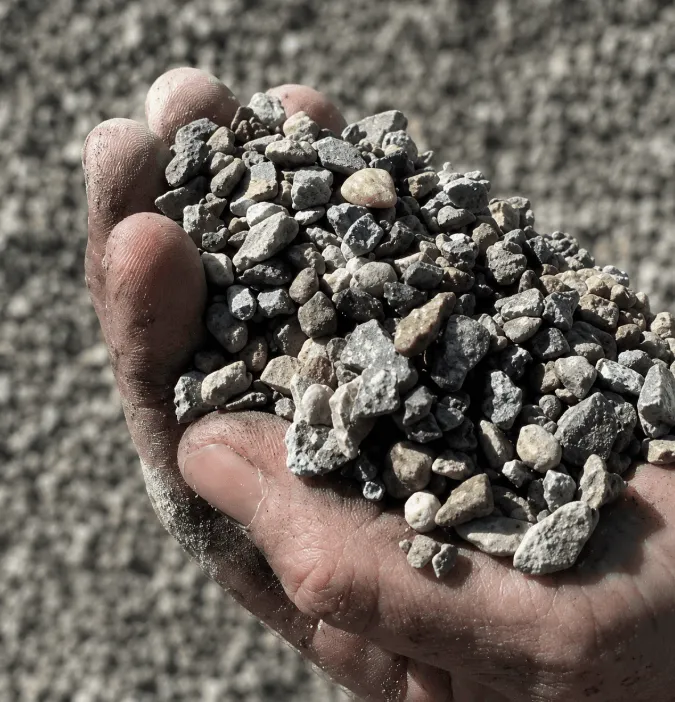 10mm Recycled Concrete
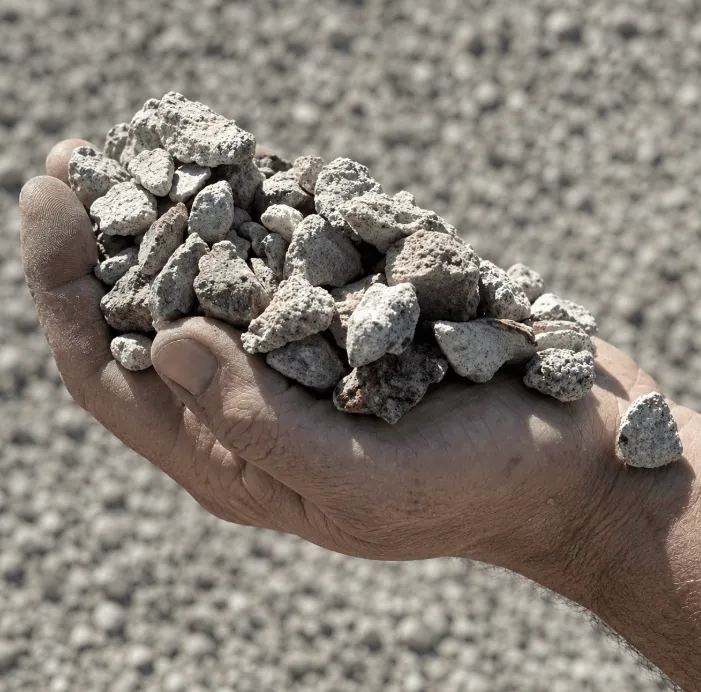 20mm Recycled Concrete
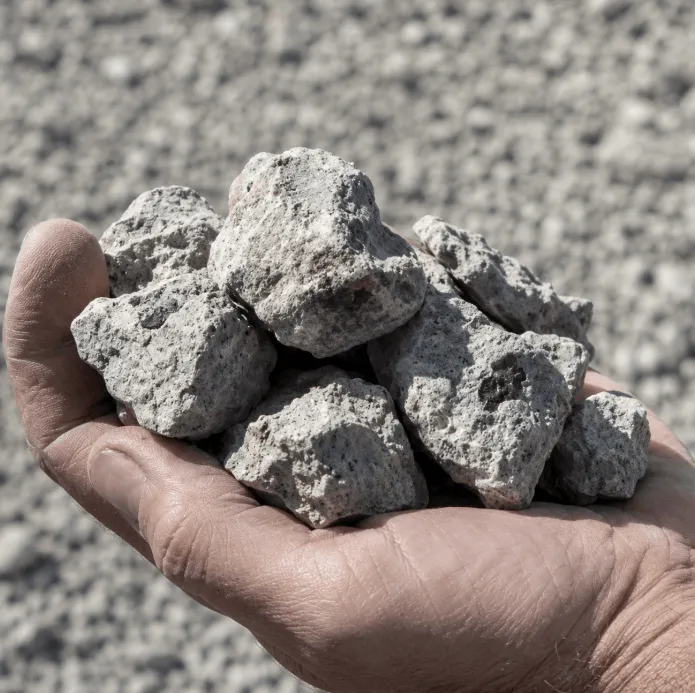 40–70mm Recycled Concrete
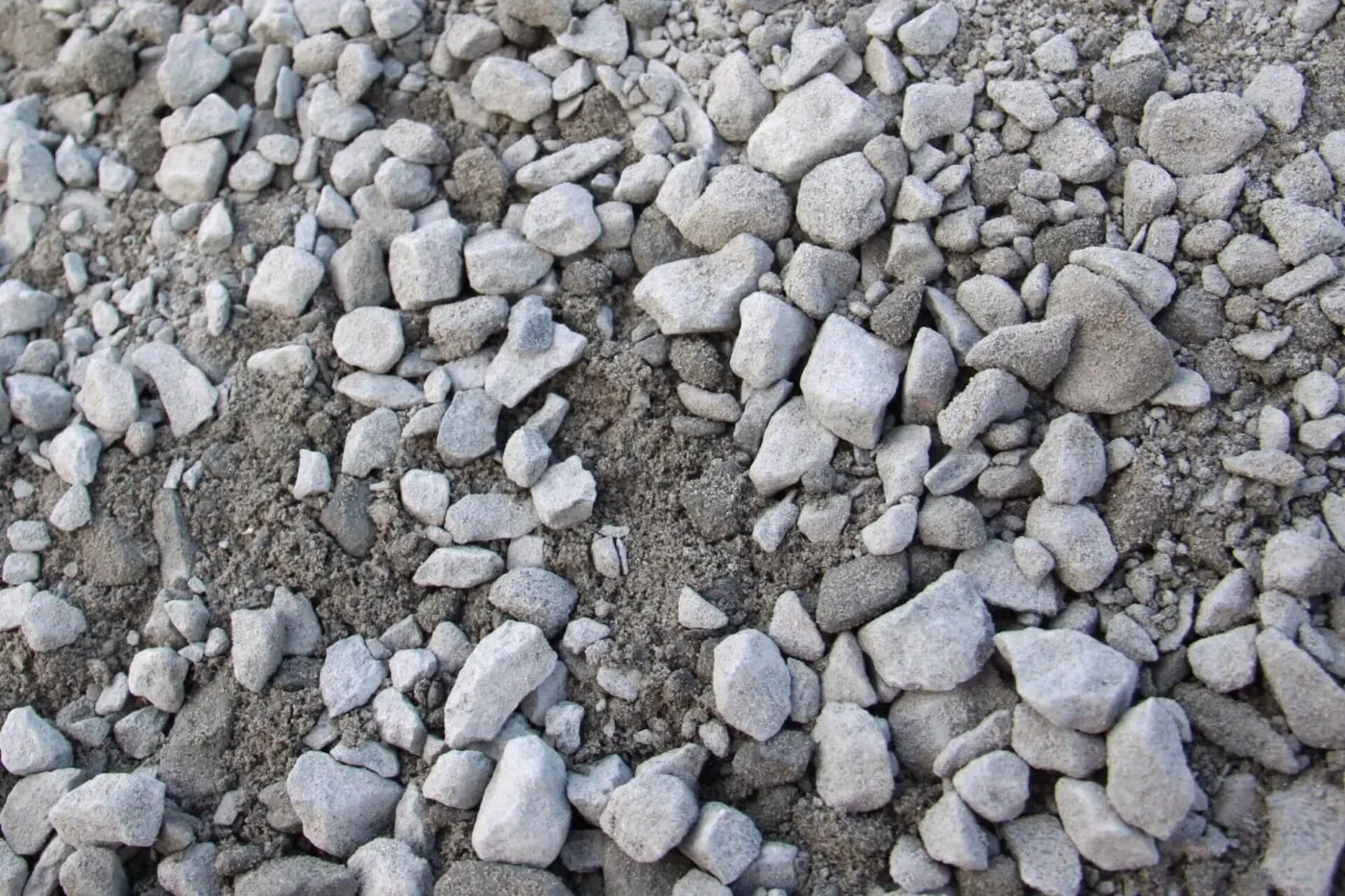 Concrete Blend
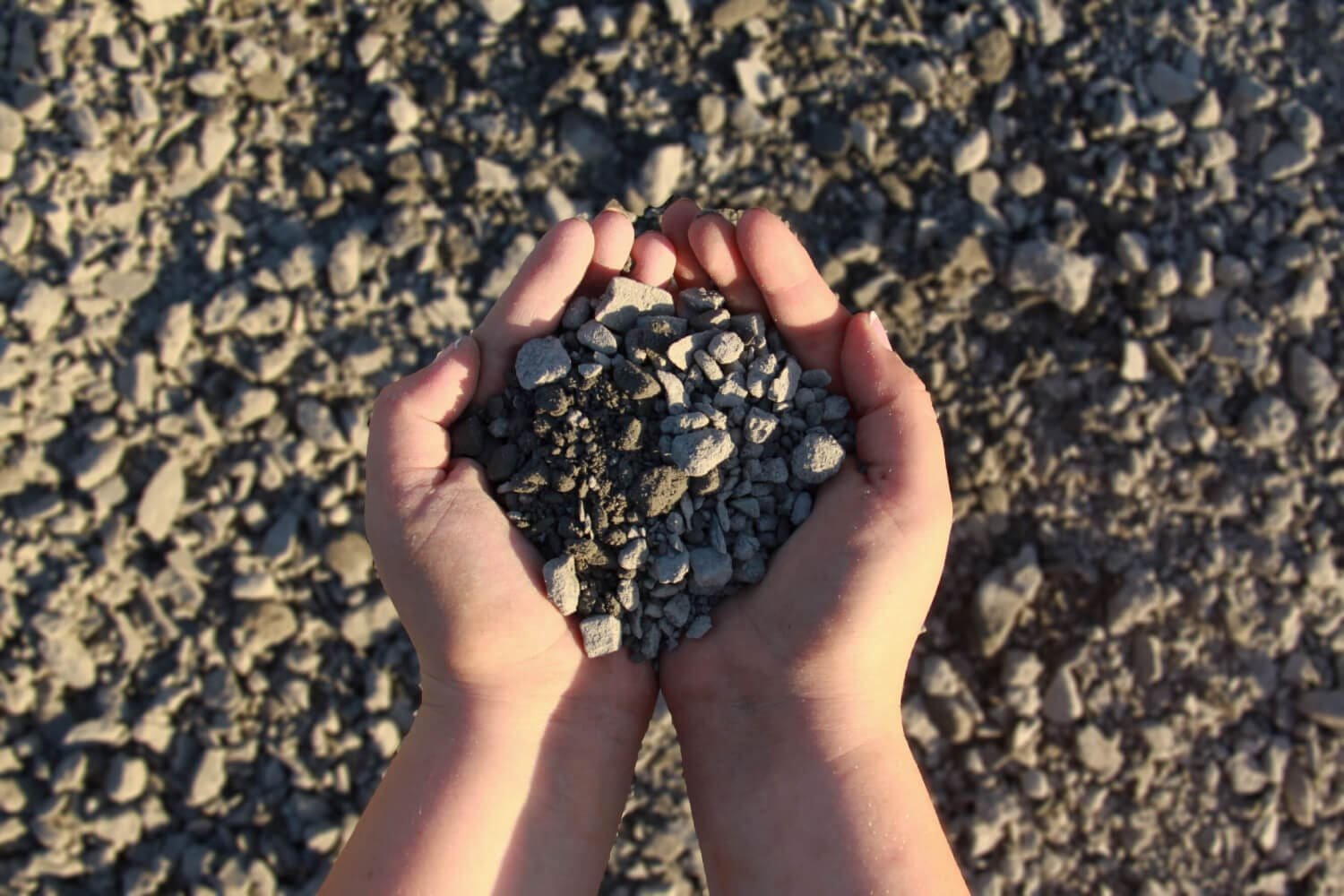 Road Base 2.1 – CBR80
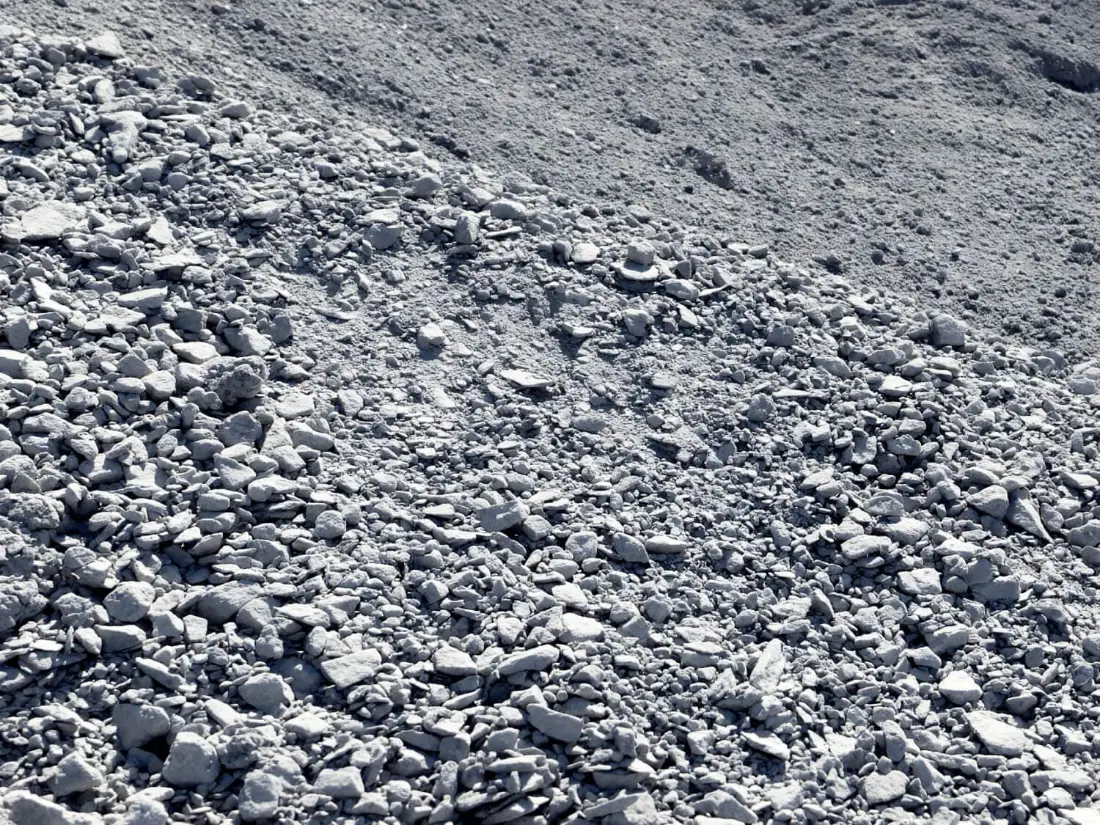 Road Base 2.3 – CBR45
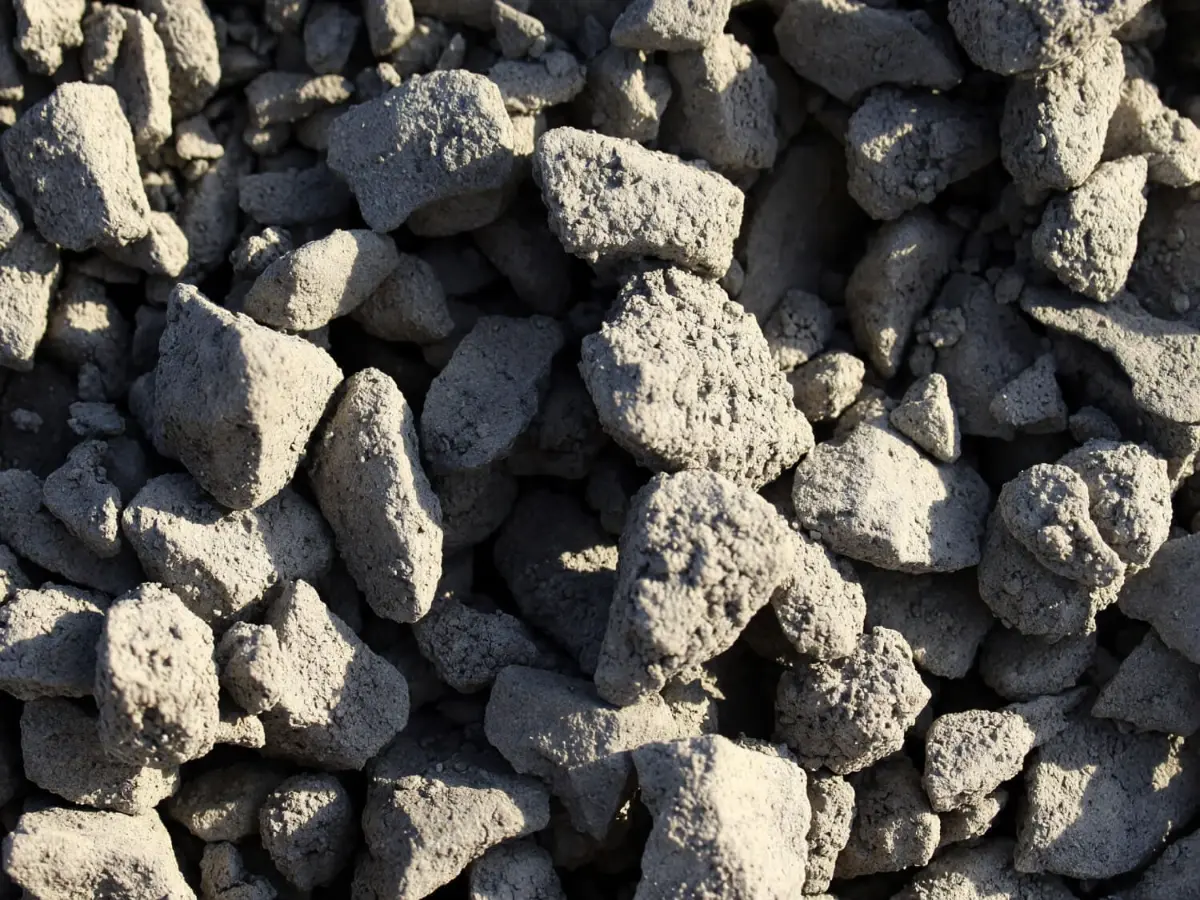 Road Base 2.5 – CBR15
By the Bulk Landscape Supplies Brisbane team · Last reviewed 1 October 2026
Plan where the water goes
Watch where water runs and pools in heavy rain, and follow that path. A creek bed should start at the wet spot and lead downhill to a safe outlet, such as a garden bed, a drain or a lower part of the yard. Gentle curves look more natural than straight lines.
Step by step
- 01Mark out the creek with a hose or spray paint, wider in some places and narrower in others.
- 02Dig a shallow channel about 200–300mm deep, with sides sloping gently towards the middle.
- 03Line the channel with weed mat or geotextile to stop weeds and soil coming through.
- 04Lay 40–80mm River Stone along the bottom and sides, about 80–100mm deep.
- 05Fill the gaps and soften the edges with 20mm River Stone.
- 06Add a few larger feature rocks at bends, and plant along the edges to blend it into the garden.
How much river stone to order
Measure length × average width × depth. A creek 10m long and 1m wide with 100mm of stone needs about 1 m³ of 40–80mm River Stone, plus roughly a third as much 20mm stone to fill gaps and edges.
Our river stone is supplied unwashed. It will look dusty when it arrives; the first rain or a quick hose brings out the colours.
Keeping it working
Clear leaves and silt from the channel after big storms so water keeps flowing, and top up stone that has moved. Larger stone stays put better in heavy rain than smaller gravel.
Common questions
What size river stone is best for a dry creek bed?
Use 40–80mm River Stone for the body of the creek and 20mm River Stone to fill gaps and soften the edges.
How deep should a dry creek bed be?
Dig about 200–300mm deep and lay stone about 80–100mm thick over weed mat.
Will a dry creek bed fix drainage problems?
It helps carry surface water away from wet spots. For serious flooding or water near the house, talk to a drainage professional.
Ready to order? Work out the quantity and get a price.
Get a quote