
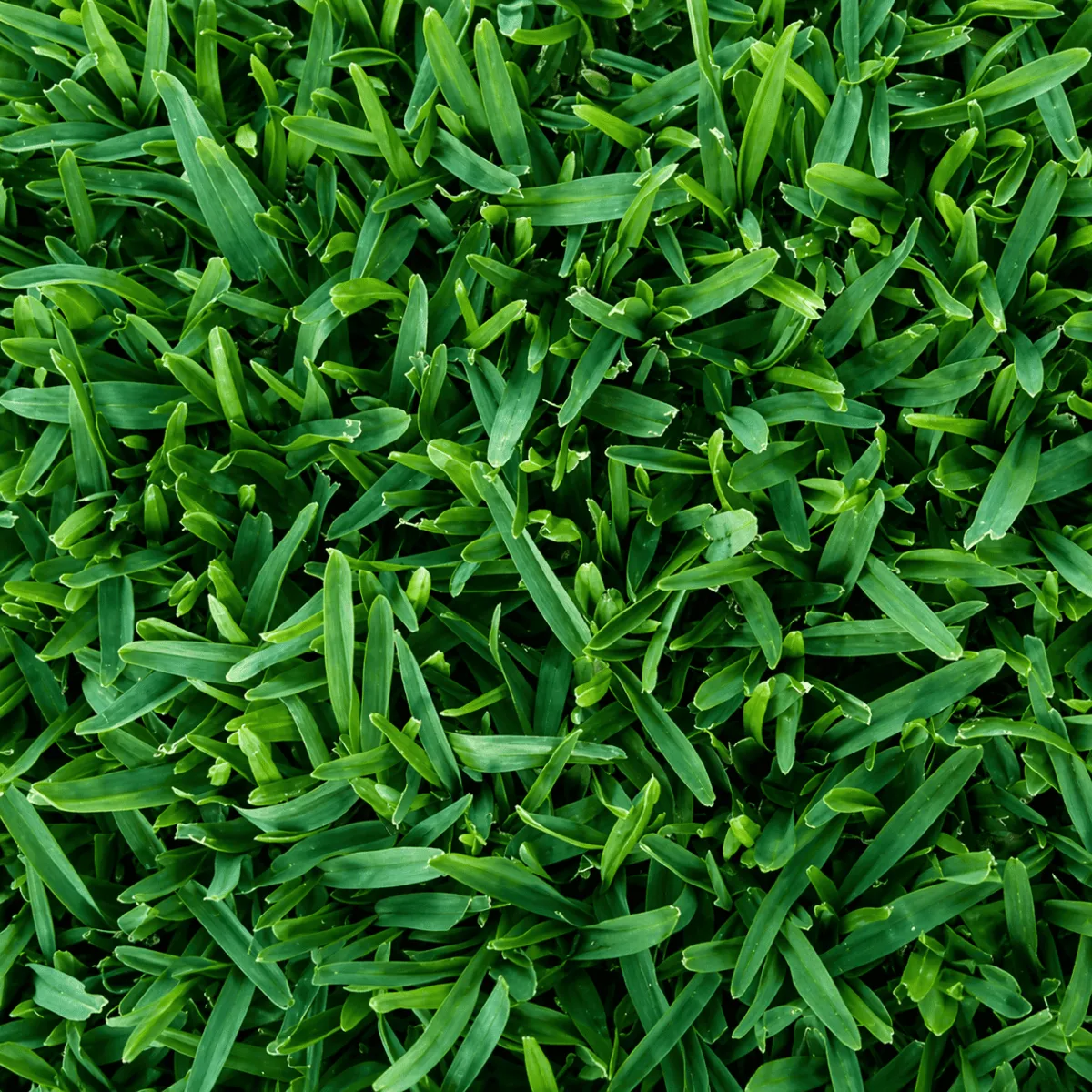
 Sir Walter Buffalo
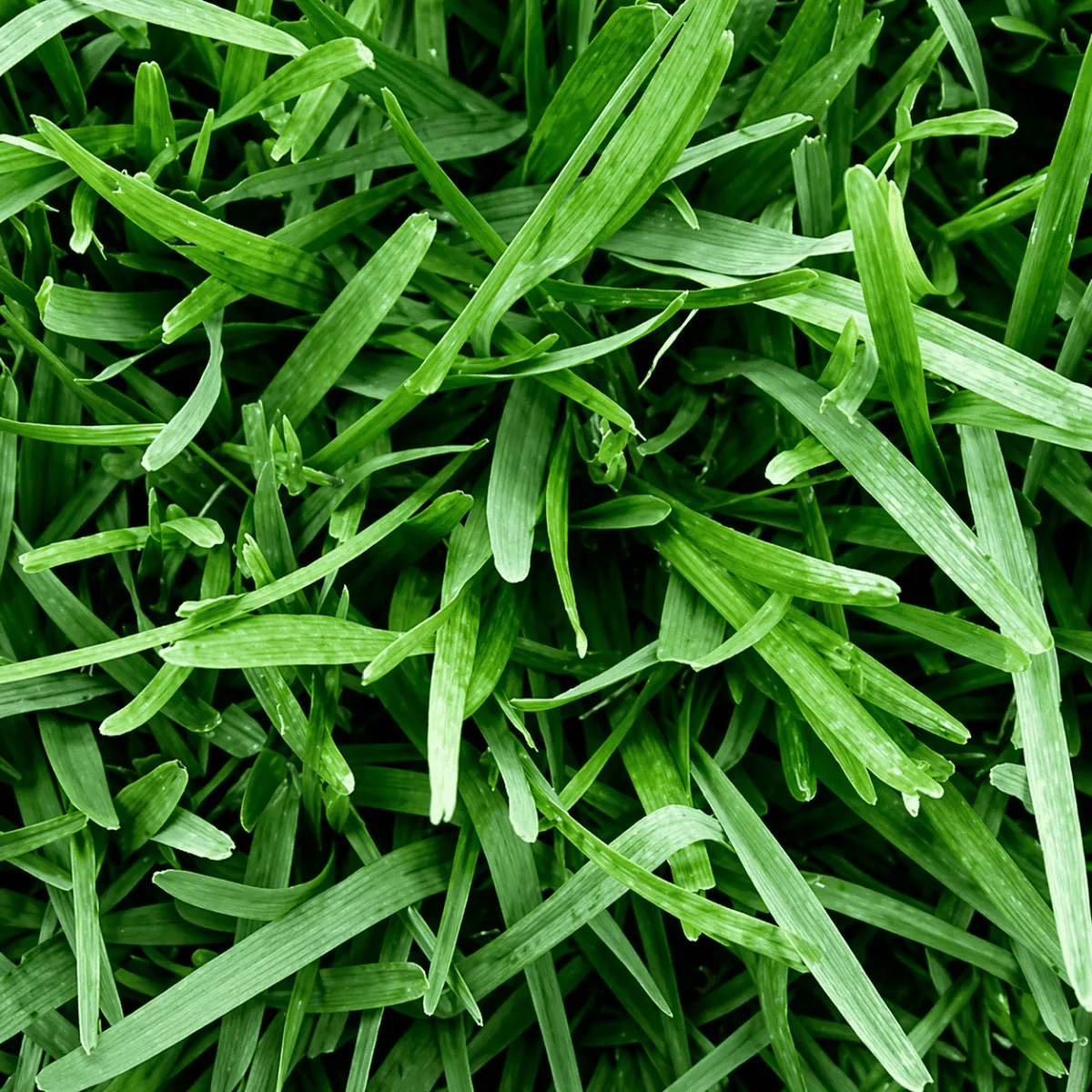 Soft Buffalo
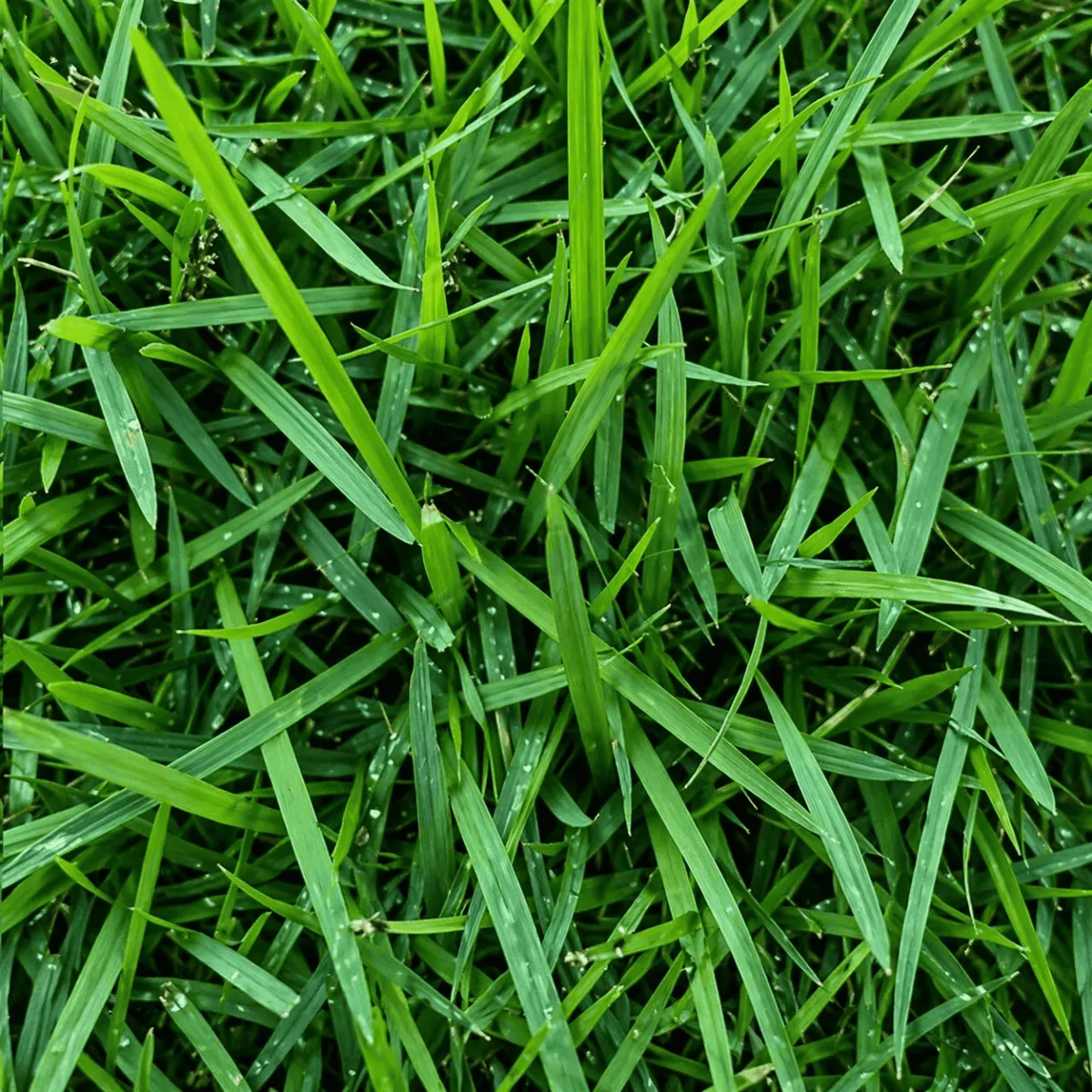 Wintergreen
 Zoysia
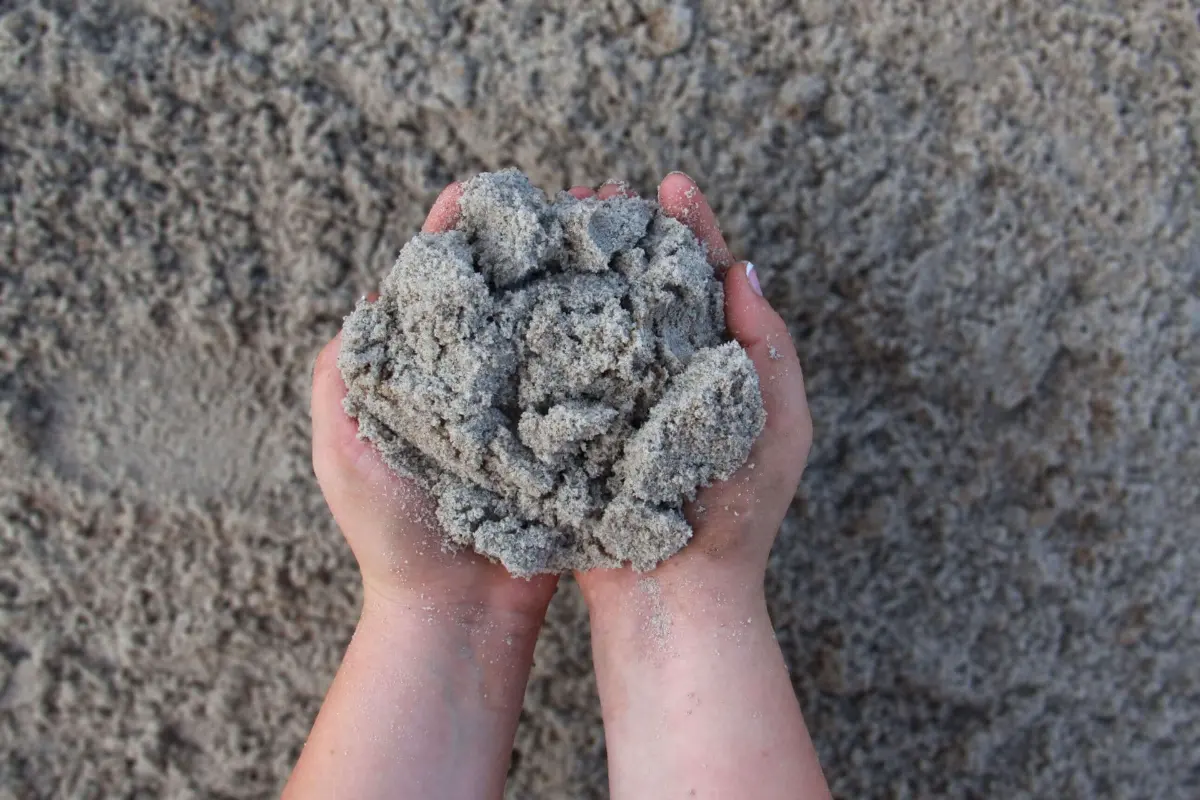 Fertilised Top Dress
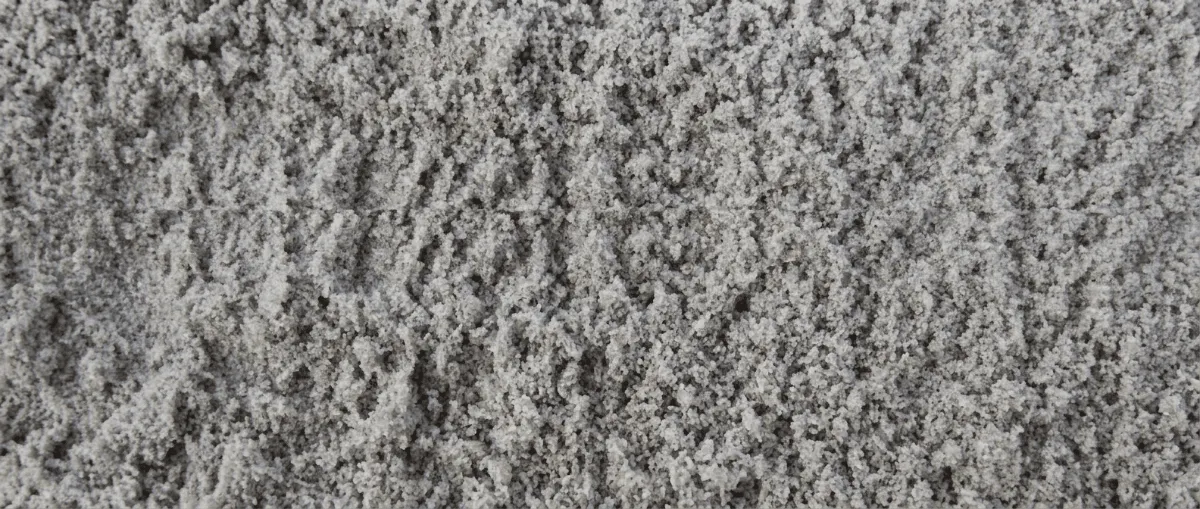 USGA Top Dress Sand
 Under Turf Soil
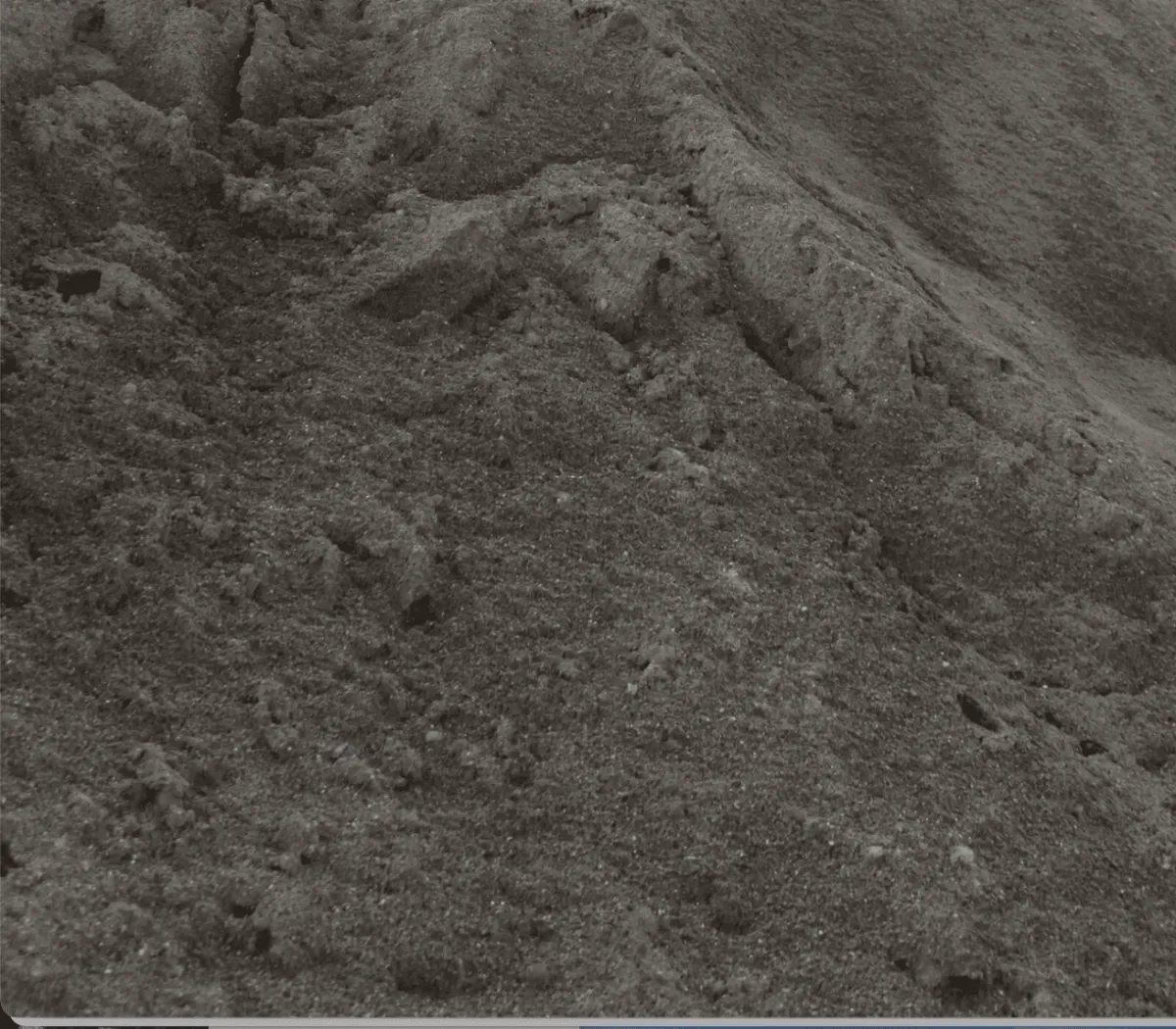 Premium Under Turf Soil
 Veggie Mix Organic Garden Soil
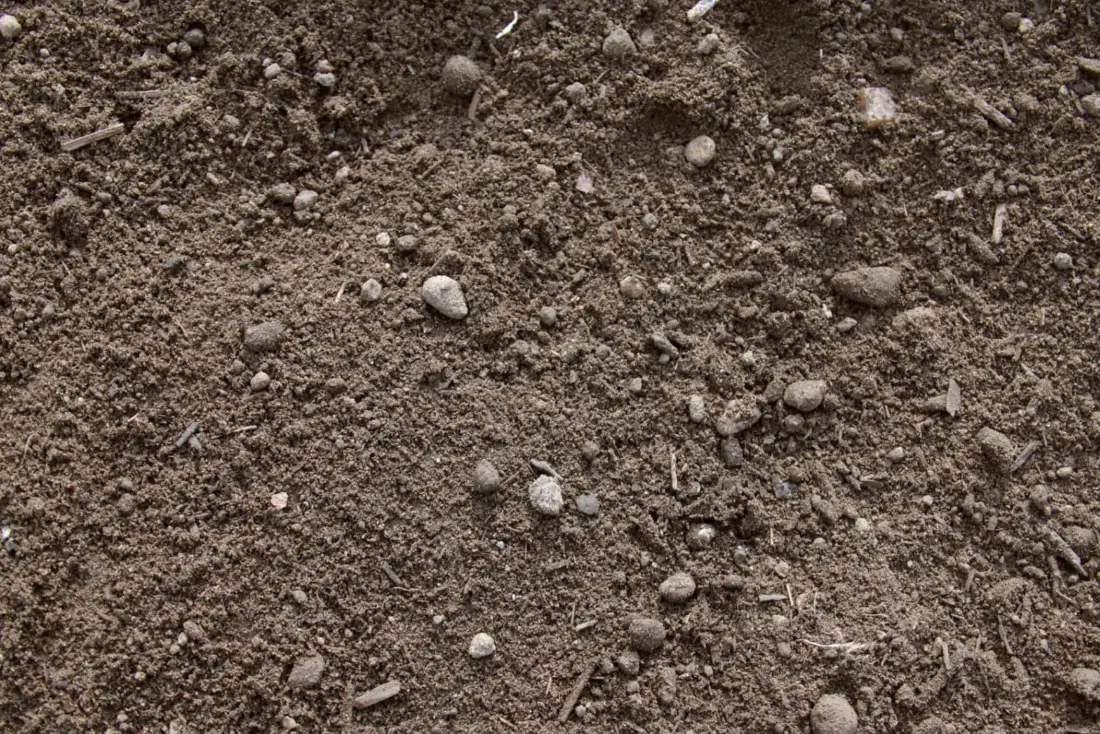 Ultra Premium Veggie Mix
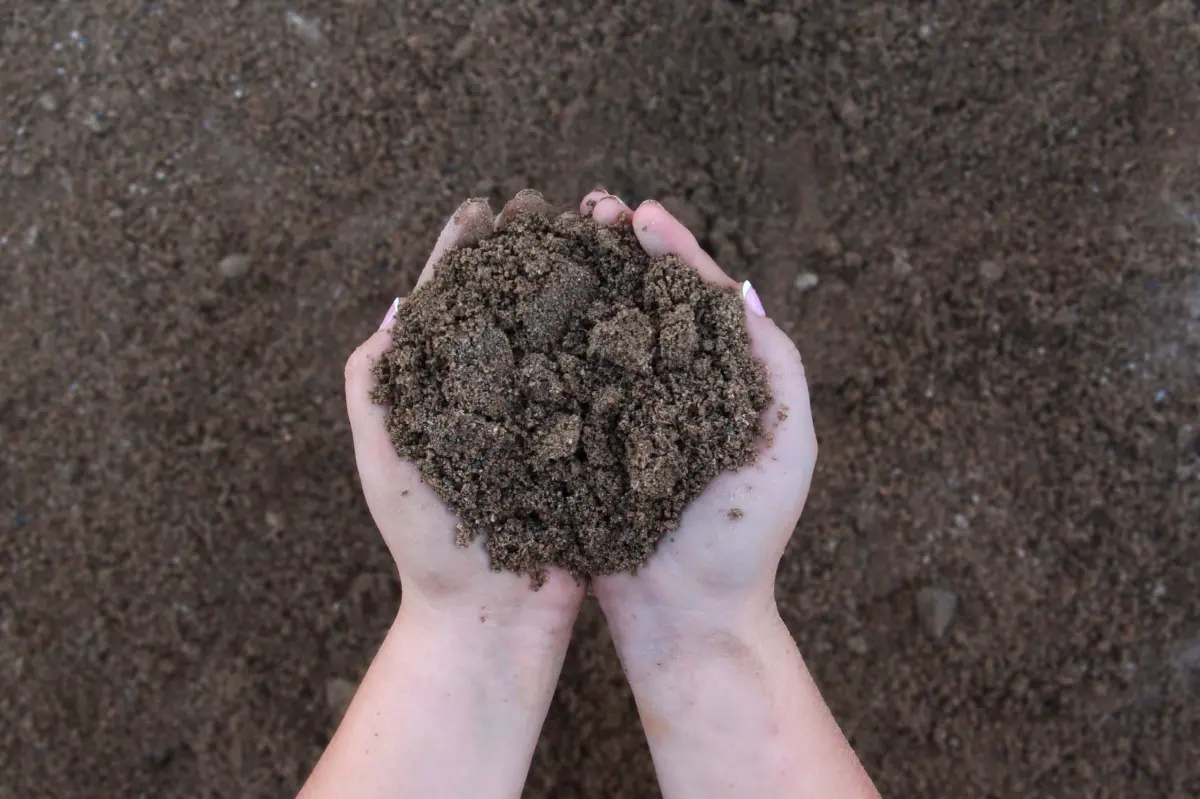 Premium Garden Soil
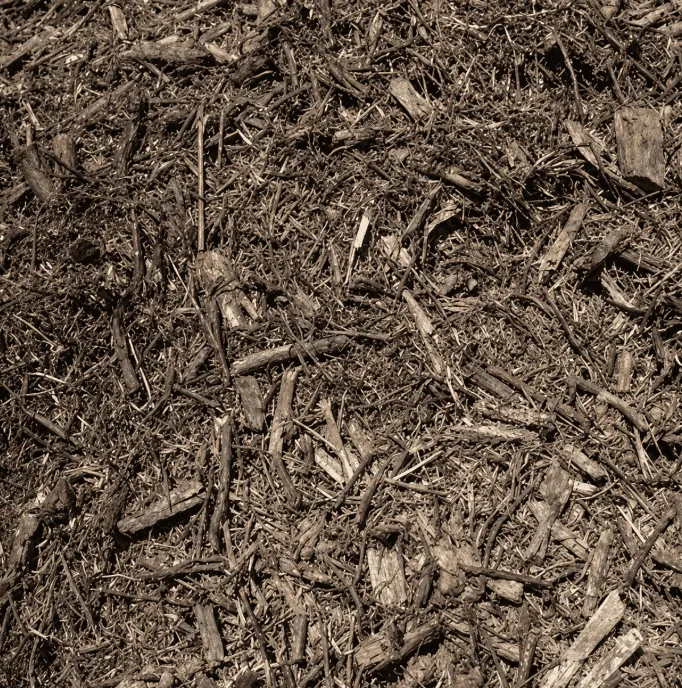 Tea Tree Mulch
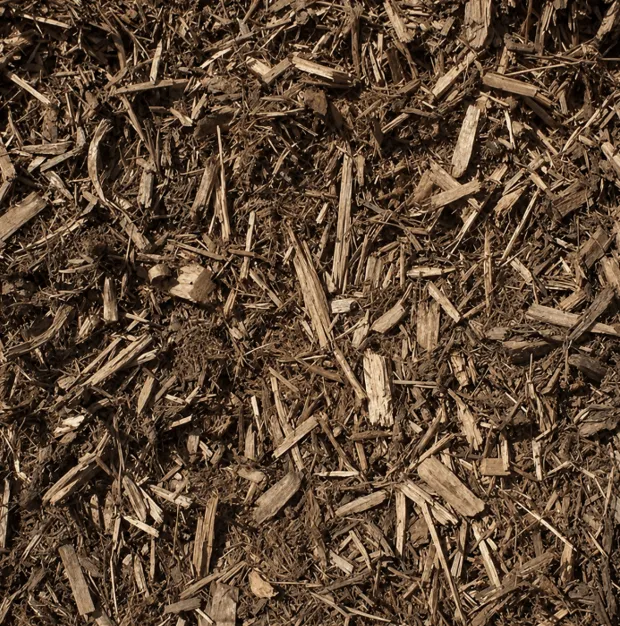 Cypress Mulch
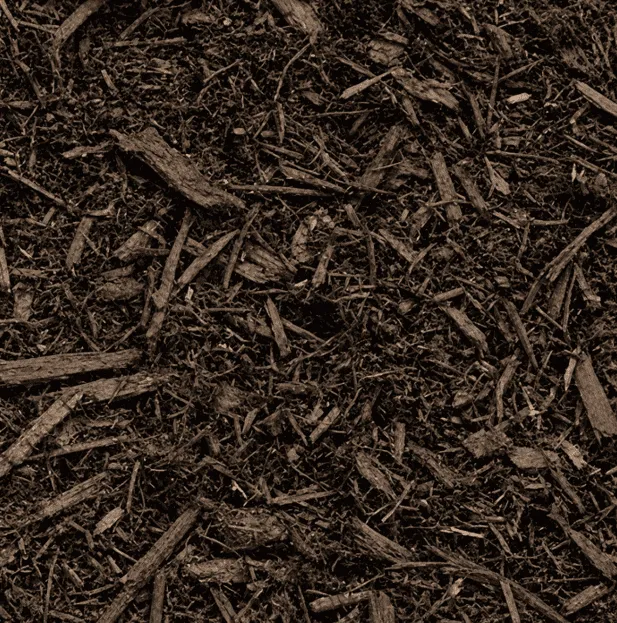 Forest Mulch
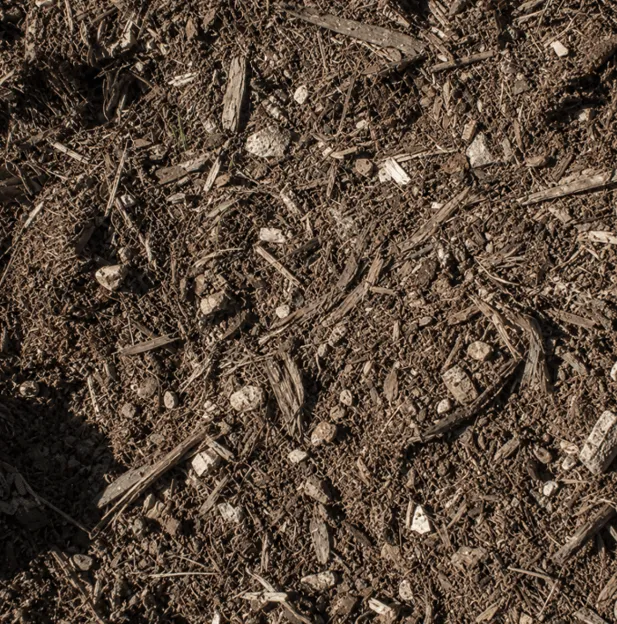 Forest Mulch Double Grind
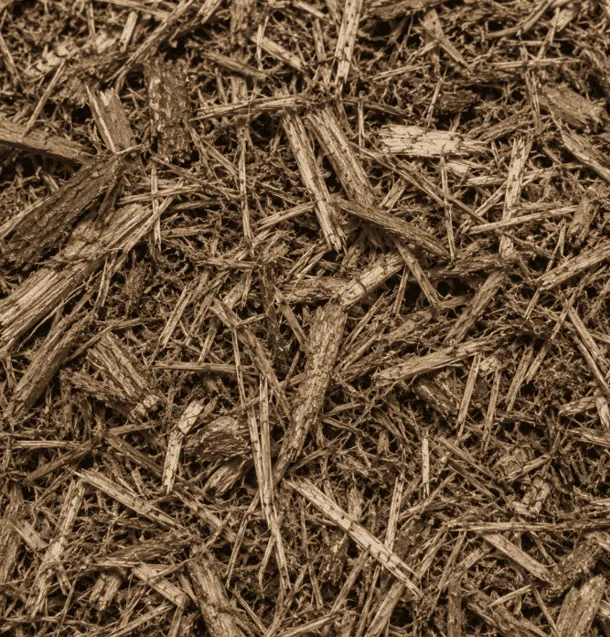 Tub Grind Mulch Coarse
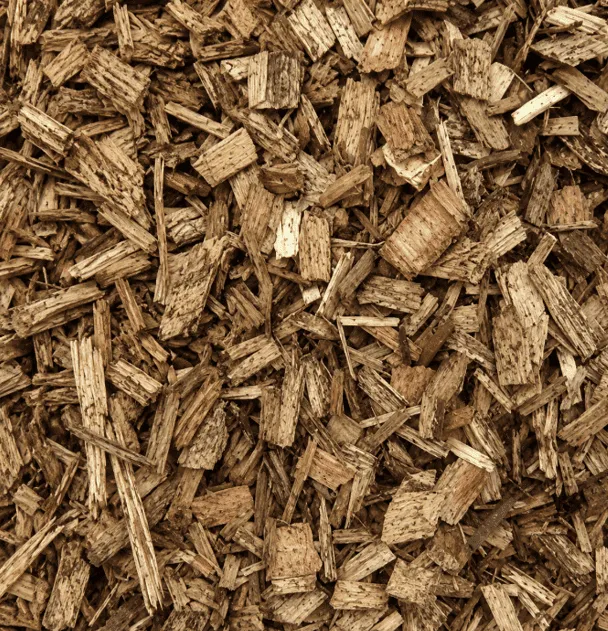 Hardwood Chip
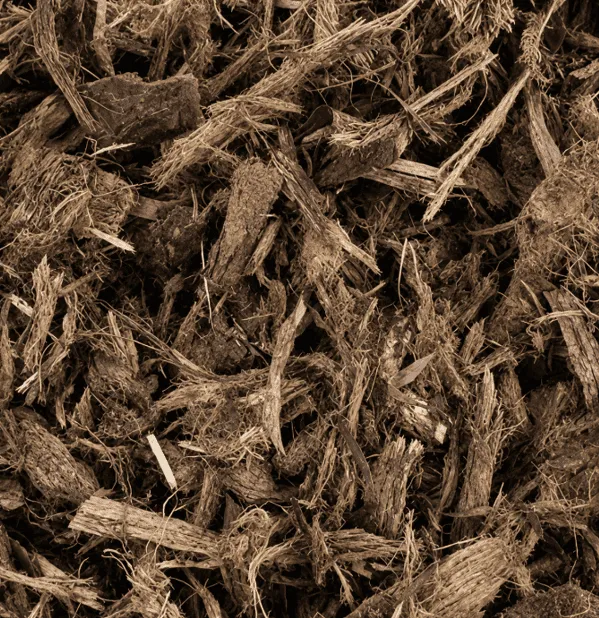 Hoop Bark 1–2 Inch
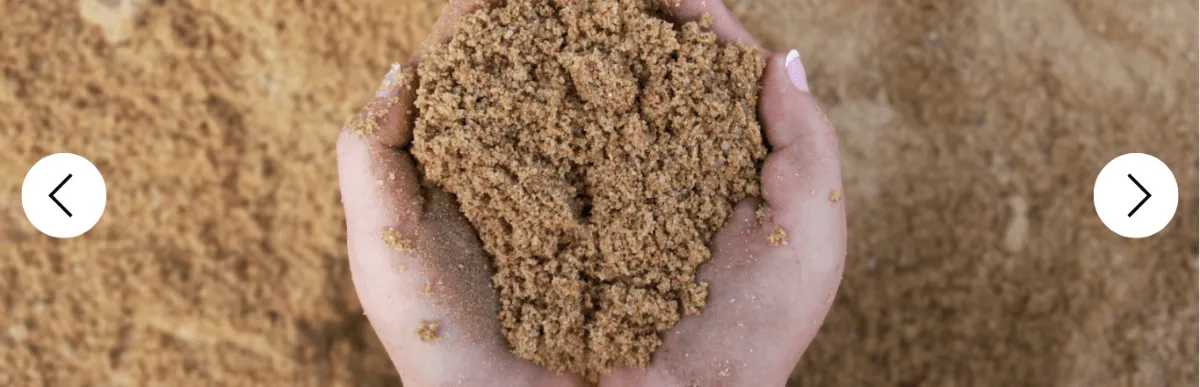 AES Sand
 Bedding Sand
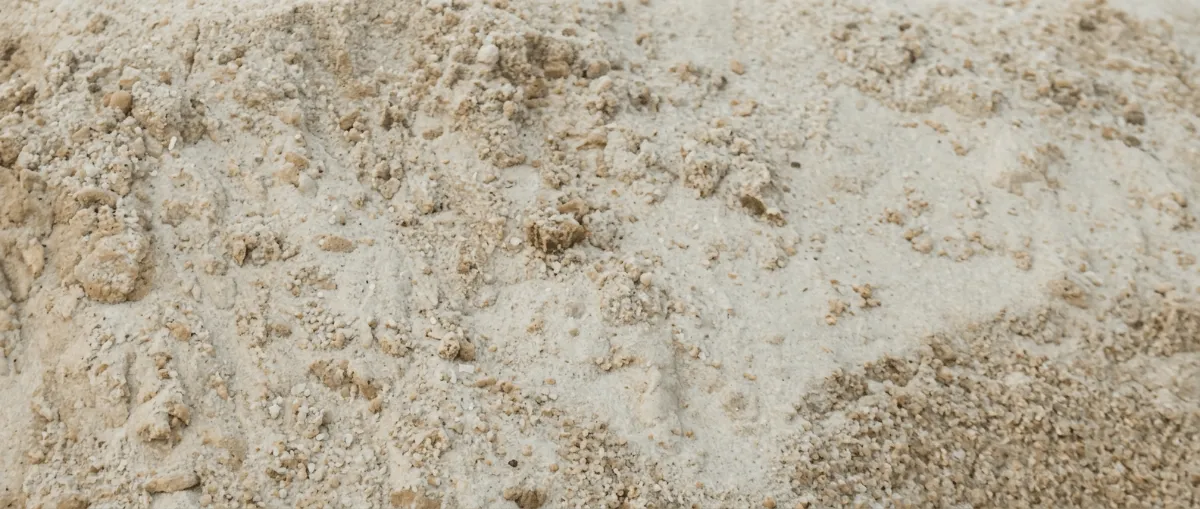 Bio Media Sand
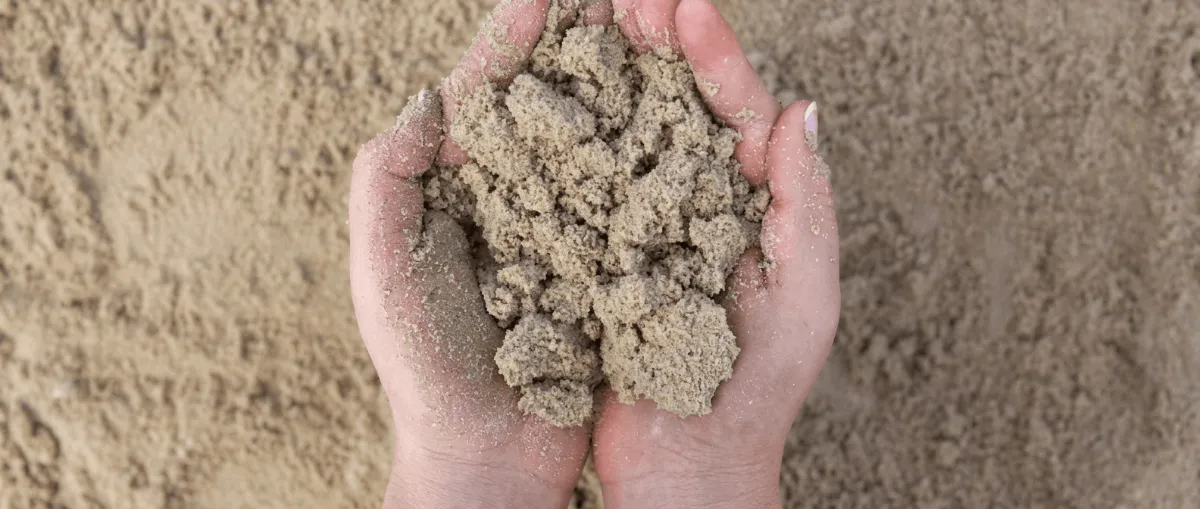 Brickies Loam
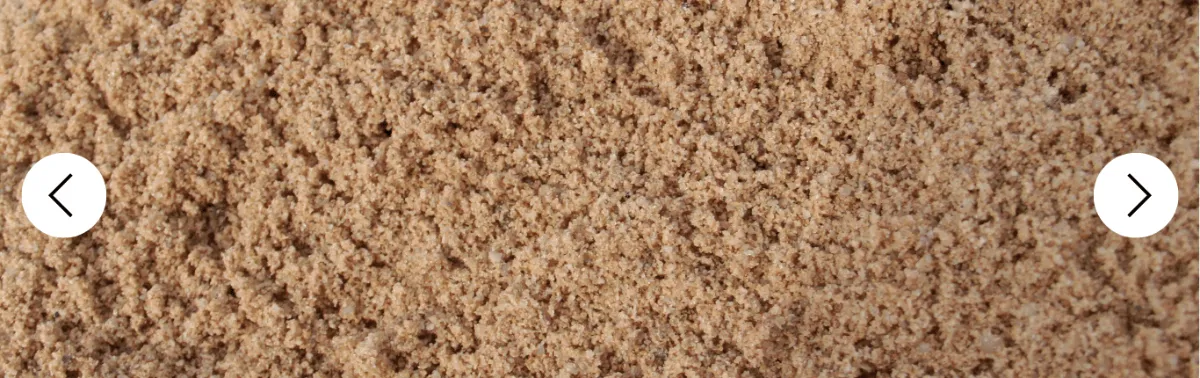 Coarse Sand
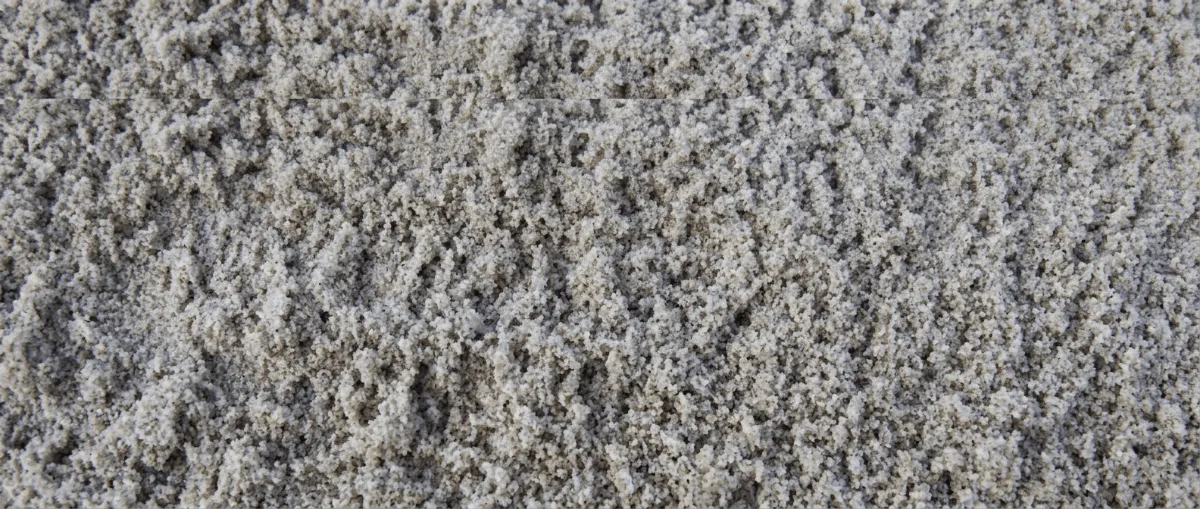 Electrical Sand
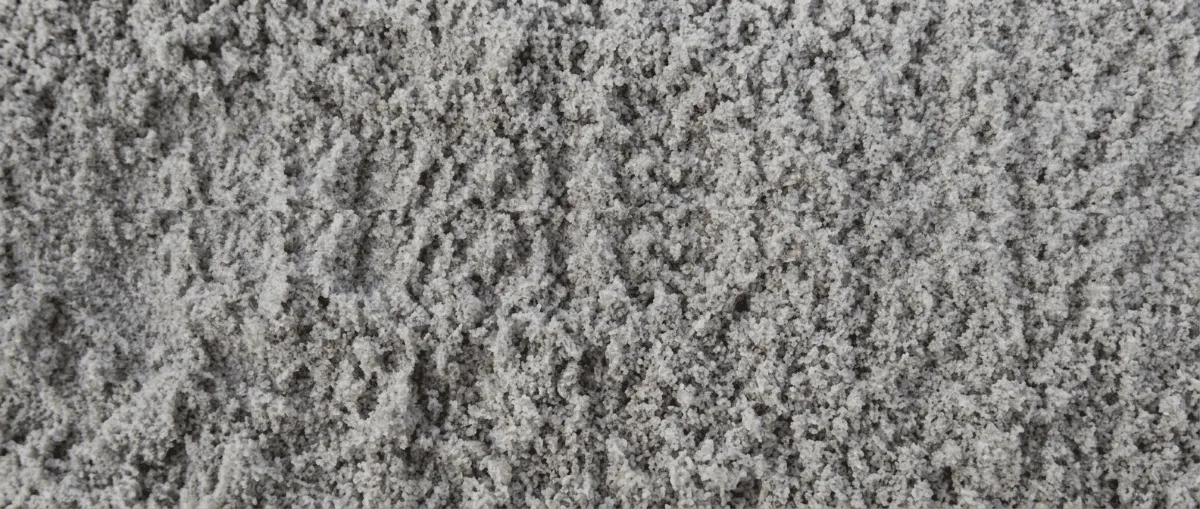 USGA Top Dress Sand
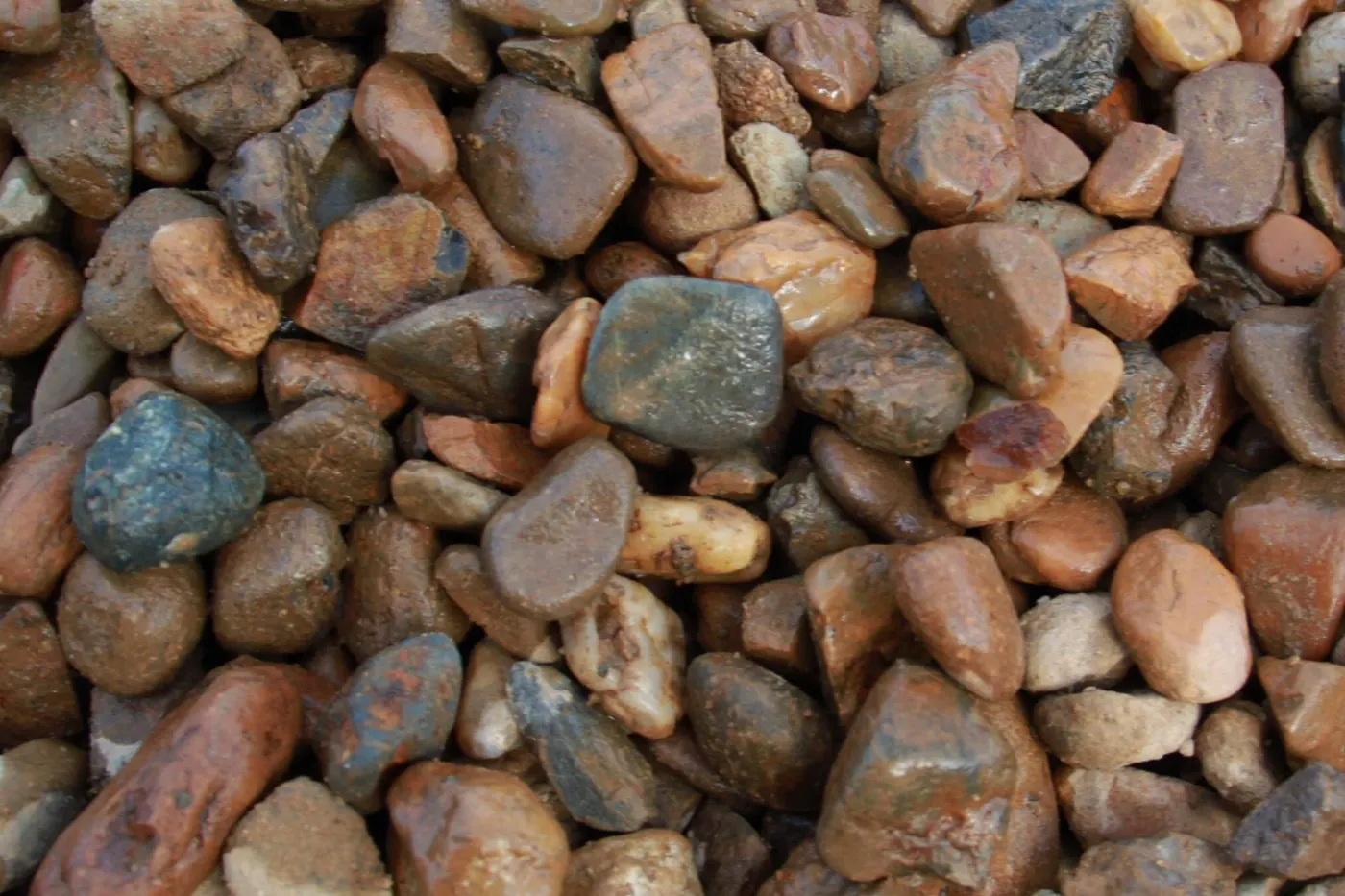 20mm River Stone
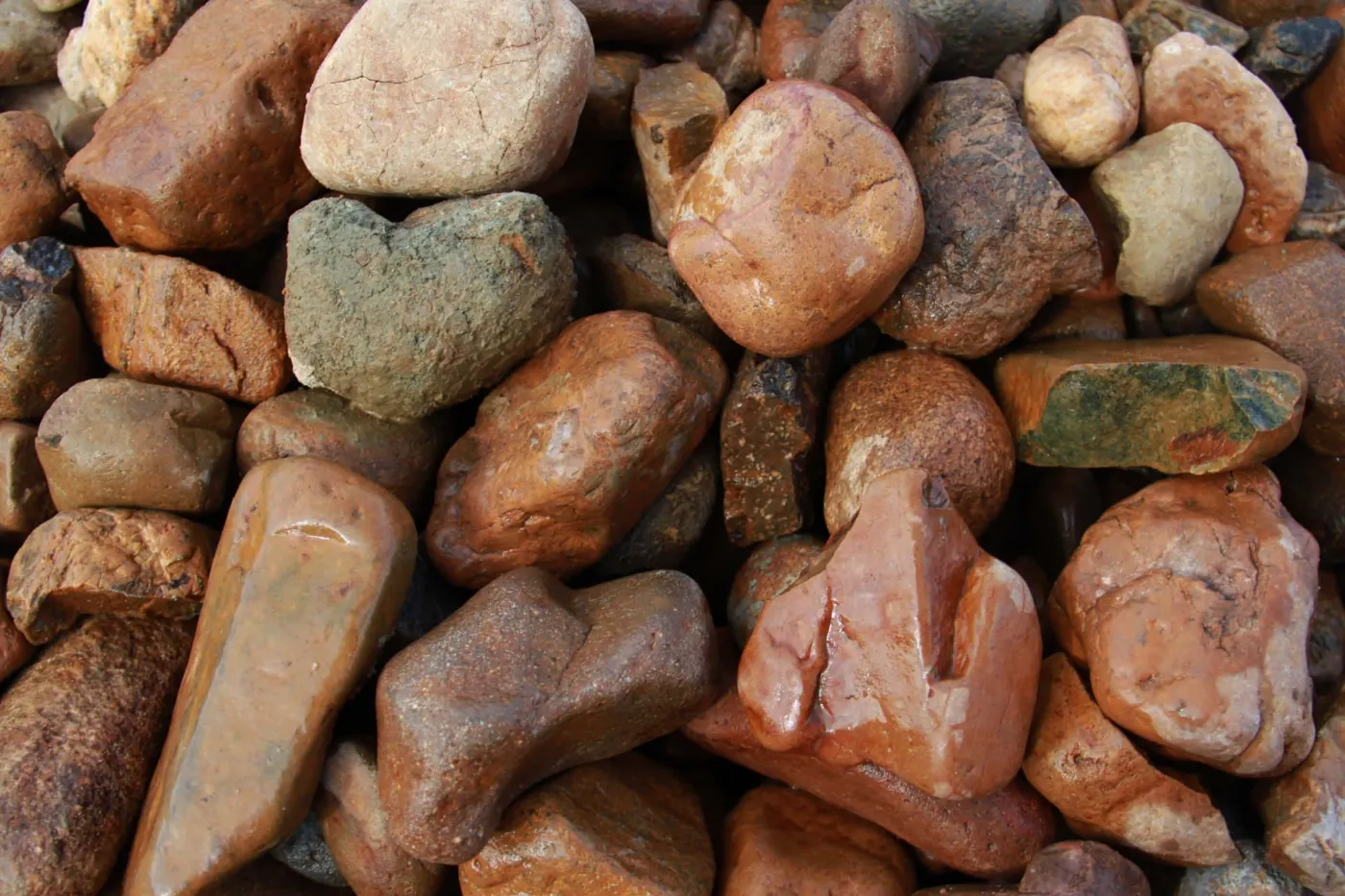 40–80mm River Stone
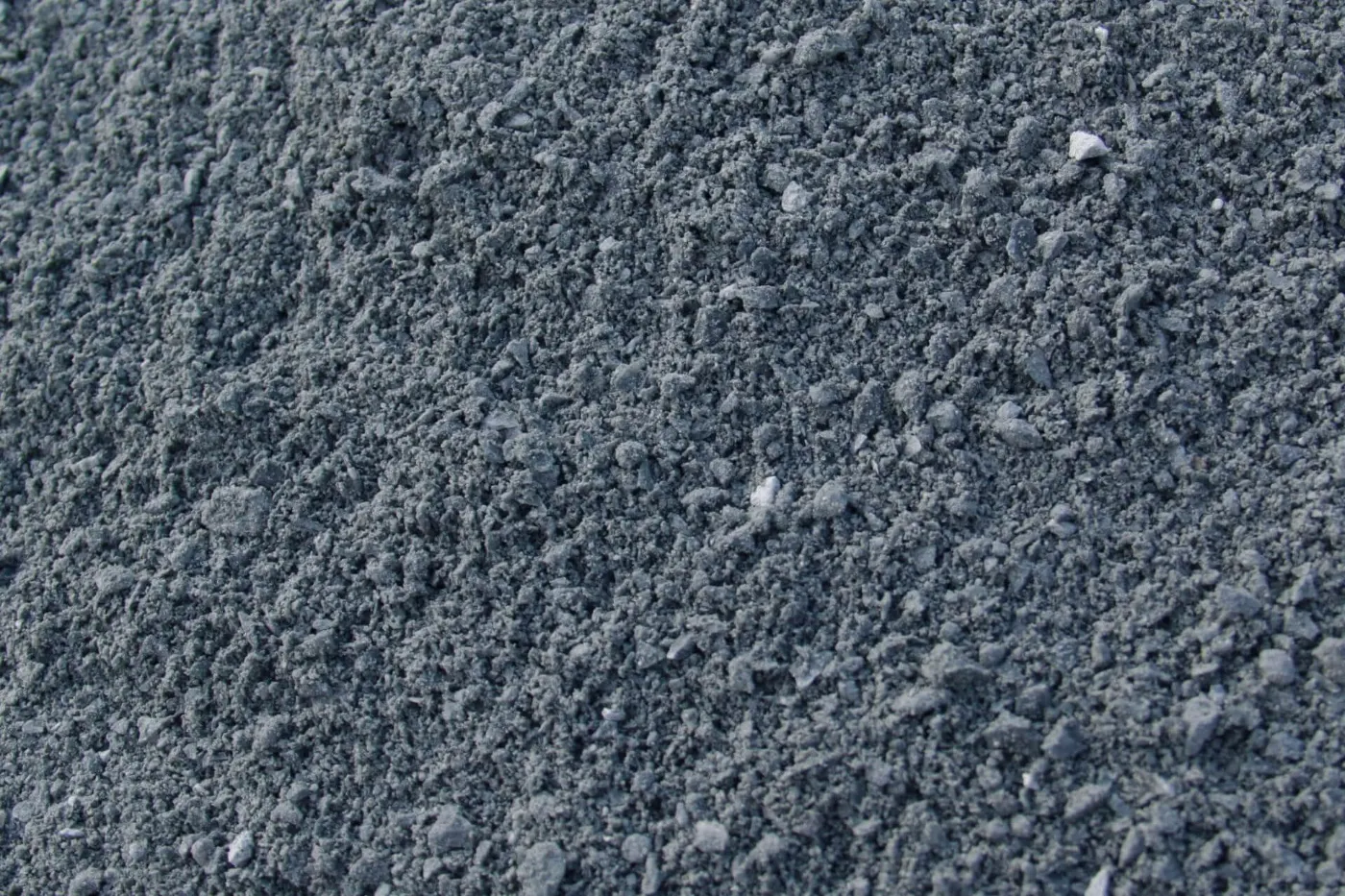 Blue Metal Crusher Dust
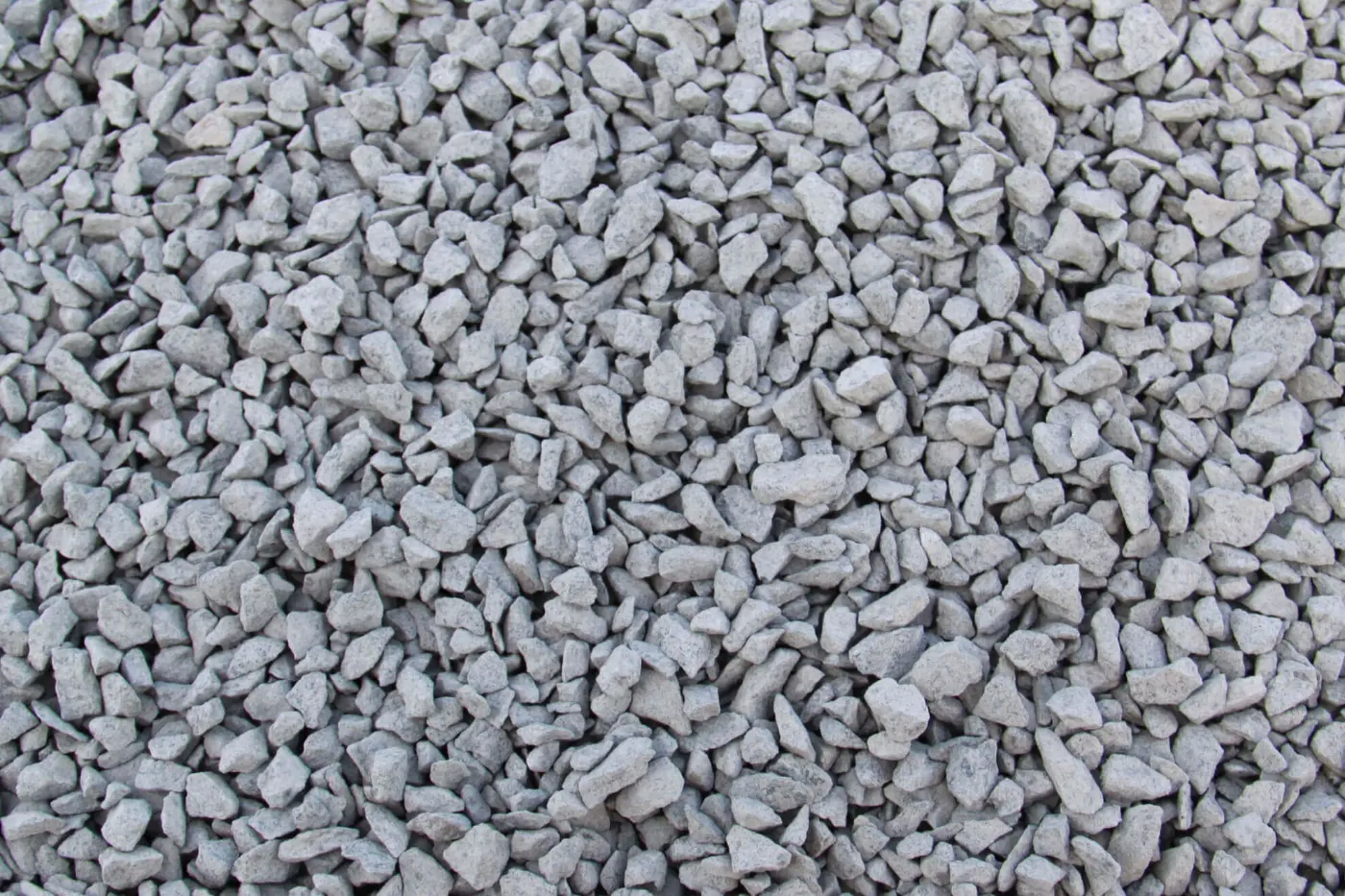 5mm Blue Metal
 10mm Blue Metal
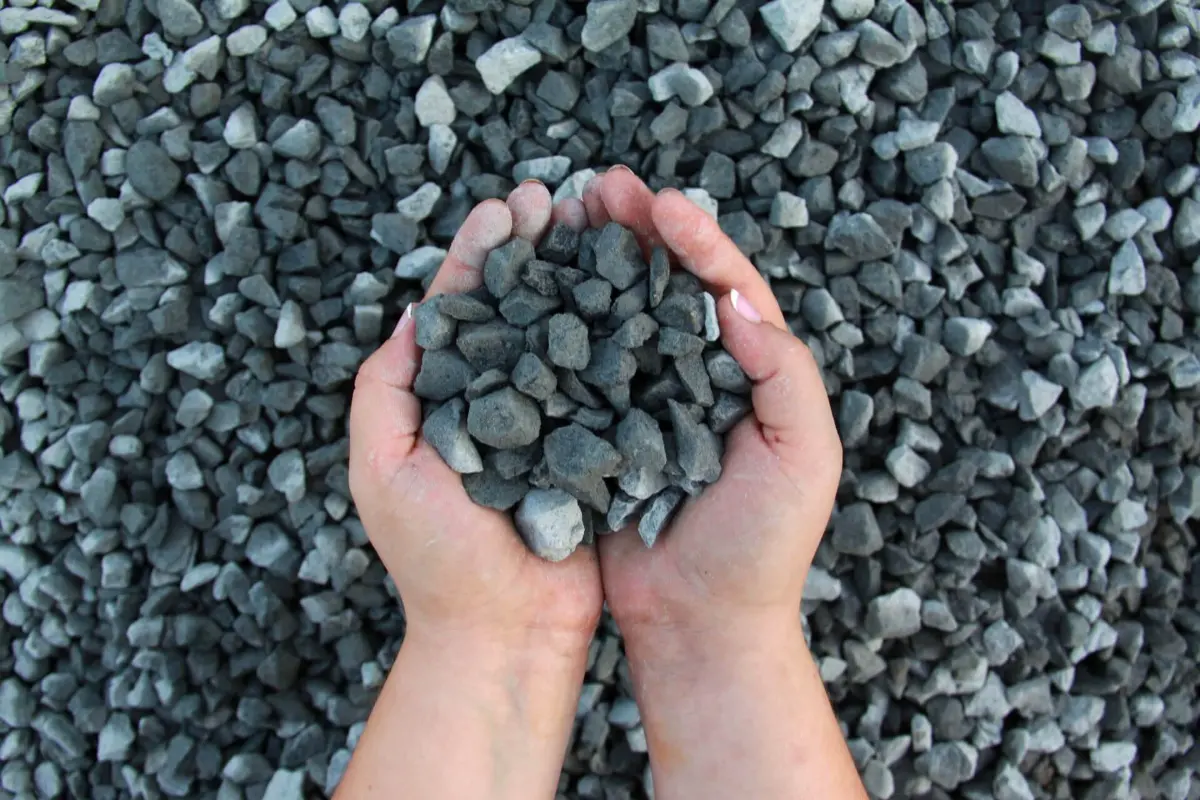 20mm Blue Metal
 25–75mm Blue Rock
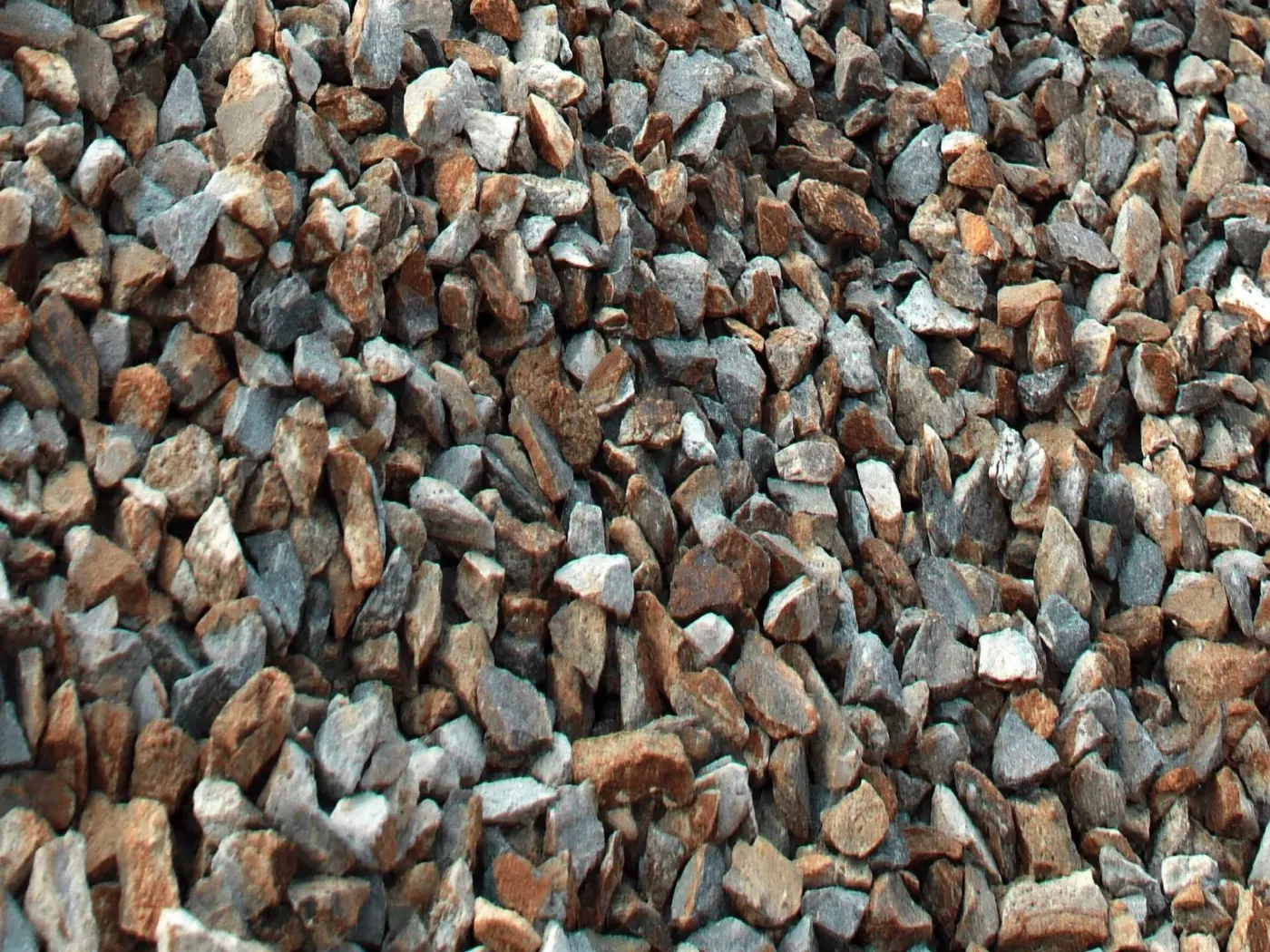 Multicolour Rock
 Recycled Concrete Crusher Dust
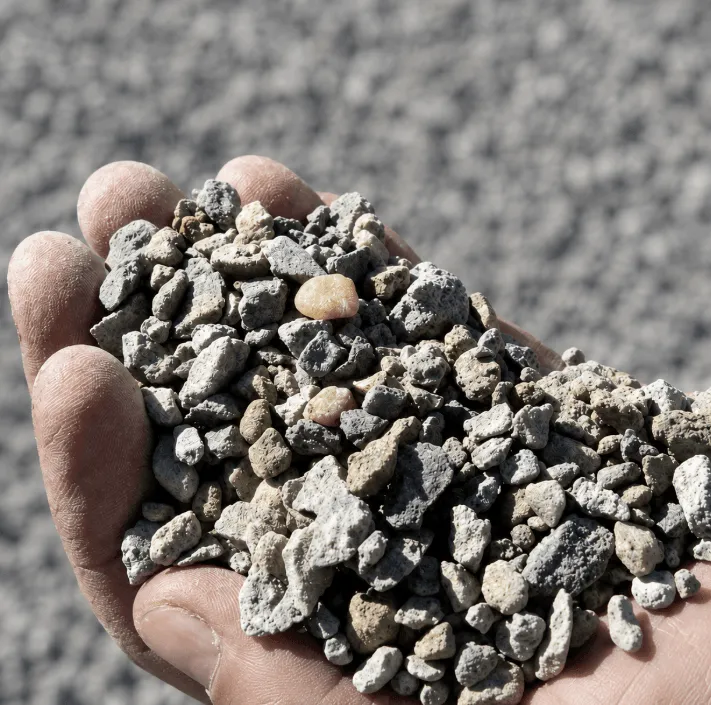 5mm Recycled Concrete
 10mm Recycled Concrete
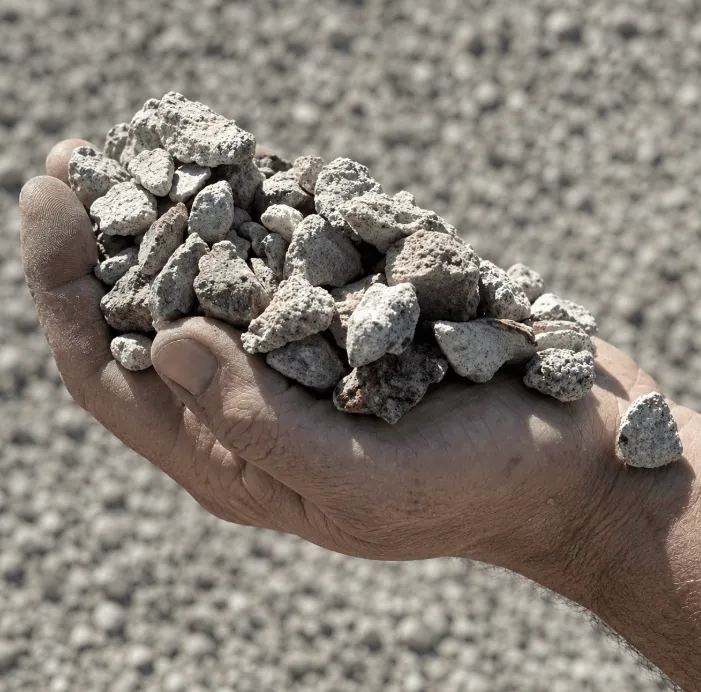 20mm Recycled Concrete
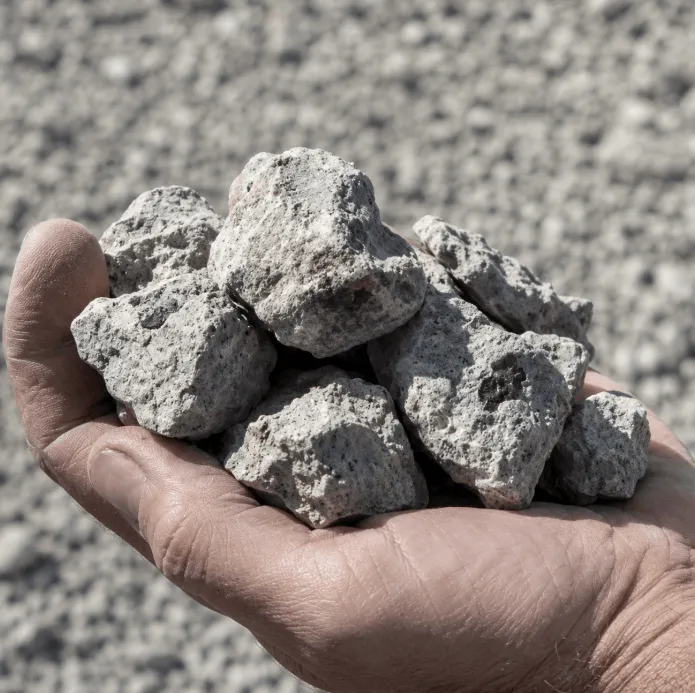 40–70mm Recycled Concrete
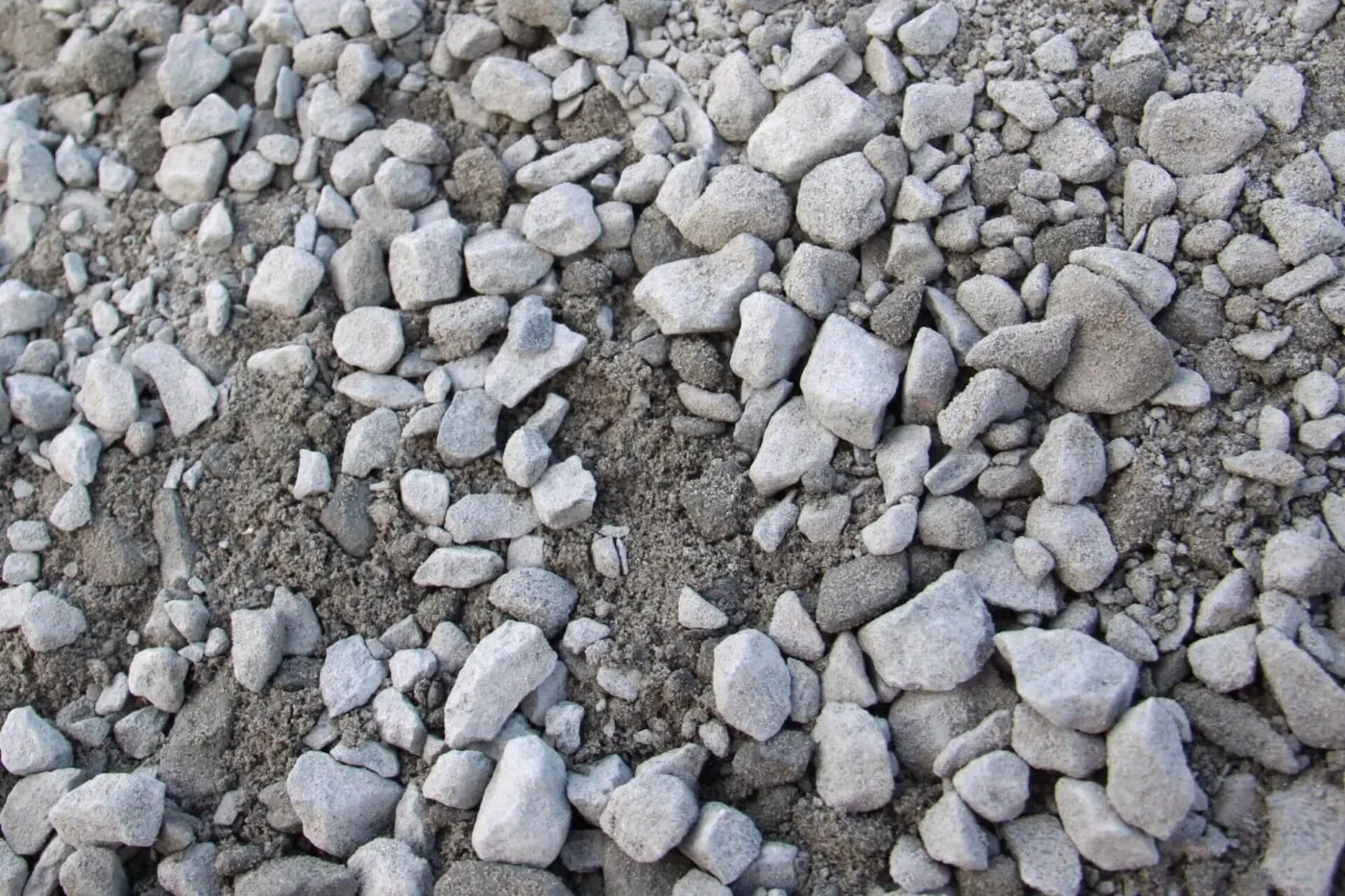 Concrete Blend
 Road Base 2.1 – CBR80
 Road Base 2.3 – CBR45
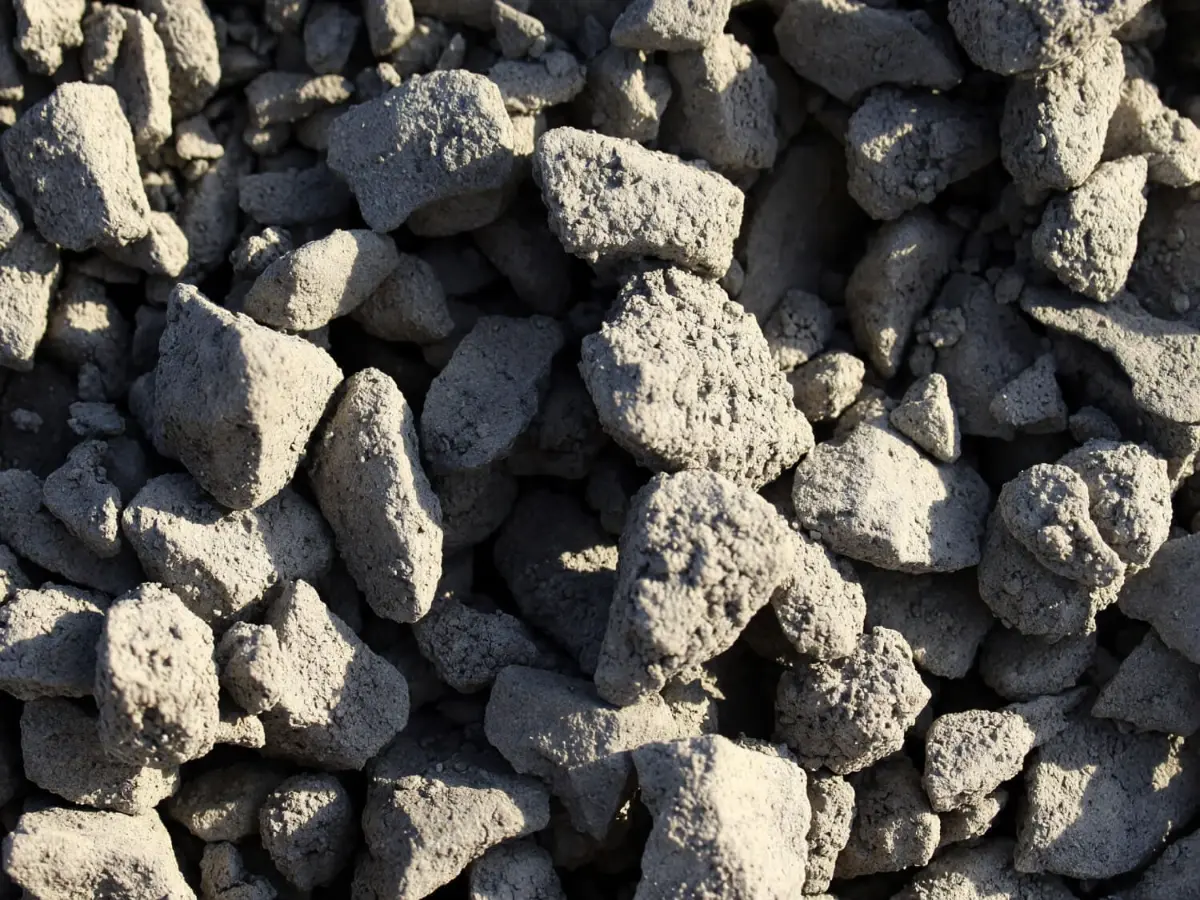 Road Base 2.5 – CBR15
By the Bulk Landscape Supplies Brisbane team · Last reviewed 1 October 2026
Fine mulches for garden beds
Tea Tree Mulch and Forest Mulch Double Grind are fine textured. They knit together, hold moisture well and break down into the soil over time, which feeds the garden.
Longer-lasting options
Cypress Mulch and Hoop Bark are slower to break down, so they stay looking tidy for longer. Hoop Bark’s 25–50mm pieces also suit pots, planters and decorative beds.
Big areas and banks
For large areas where weed control and cost matter most, Forest Mulch and Tub Grind Mulch Coarse cover ground economically. Coarse, chunky mulch also sits better on slopes.
Pathways and play areas
Hardwood Chip gives a clean, even surface that is comfortable to walk on and looks neat along paths.
How thick to spread it
Spread mulch about 75mm deep. The volume calculator shows how much to order. Keep it a hand’s width back from plant stems and tree trunks so they don’t stay wet against the bark.
Prepare the bed before you mulch
Mulch works best on clean, damp soil. Pull or spray existing weeds first, because mulch spread over the top of established weeds will not stop them coming through. Water the bed well the day before so the soil underneath starts moist, then spread the mulch and water it again to help it settle.
If the soil itself is tired or compacted, dig in a layer of garden soil before you mulch. Mulch protects soil; it does not replace it.
Mulch in Brisbane’s climate
Hot summers and heavy storms are the two things that test mulch here. A good layer shades the soil, keeps roots cooler and slows evaporation, so you water less often through summer. In storm season, fine mulch can float or wash off sloping beds and into drains. On slopes and near paths, a coarser mulch stays put better.
Topping up
All organic mulch breaks down over time, which is part of how it feeds the soil. Check the depth once or twice a year, usually in spring before the heat arrives. If it has thinned to less than about 50mm, top it back up to 75mm rather than raking the old layer away.
Common mistakes to avoid
- Spreading it too deep. More than about 100mm can stop water and air reaching the soil.
- Piling it against plant stems and tree trunks, which keeps the bark wet and invites rot.
- Mulching over weeds instead of clearing them first.
- Using fine mulch on steep banks, where it washes away in heavy rain.
Ready to order? Work out the quantity and get a price.
Get a quote